
In today’s fast-paced digital world, credit cards have become an essential part of personal finance. From online shopping and bill payments to travel bookings and emergency expenses, they offer unmatched convenience. However, for beginners, using a credit card without proper knowledge can quickly turn into a financial burden.
Many first-time users fall into the trap of high interest rates, late payment fees, and uncontrolled spending simply because they don’t fully understand how credit cards work. This guide is designed to help beginners understand the basics, benefits, risks, and smart ways to use a credit card responsibly in 2026.
Credit Card Basics
A credit card is a financial tool issued by banks that allows you to borrow money up to a certain limit to make purchases or pay bills. Unlike debit cards, where money is deducted directly from your bank account, a credit card lets you spend first and pay later.
Each credit card comes with a billing cycle, usually lasting between 30 to 45 days. At the end of this cycle, a statement is generated showing your total spending. You are then given a due date to repay the amount.
If you pay the full amount on or before the due date, no interest is charged. However, if you only pay the minimum due, the remaining balance starts accumulating high interest, which can quickly grow into debt.
Benefits of Credit Cards
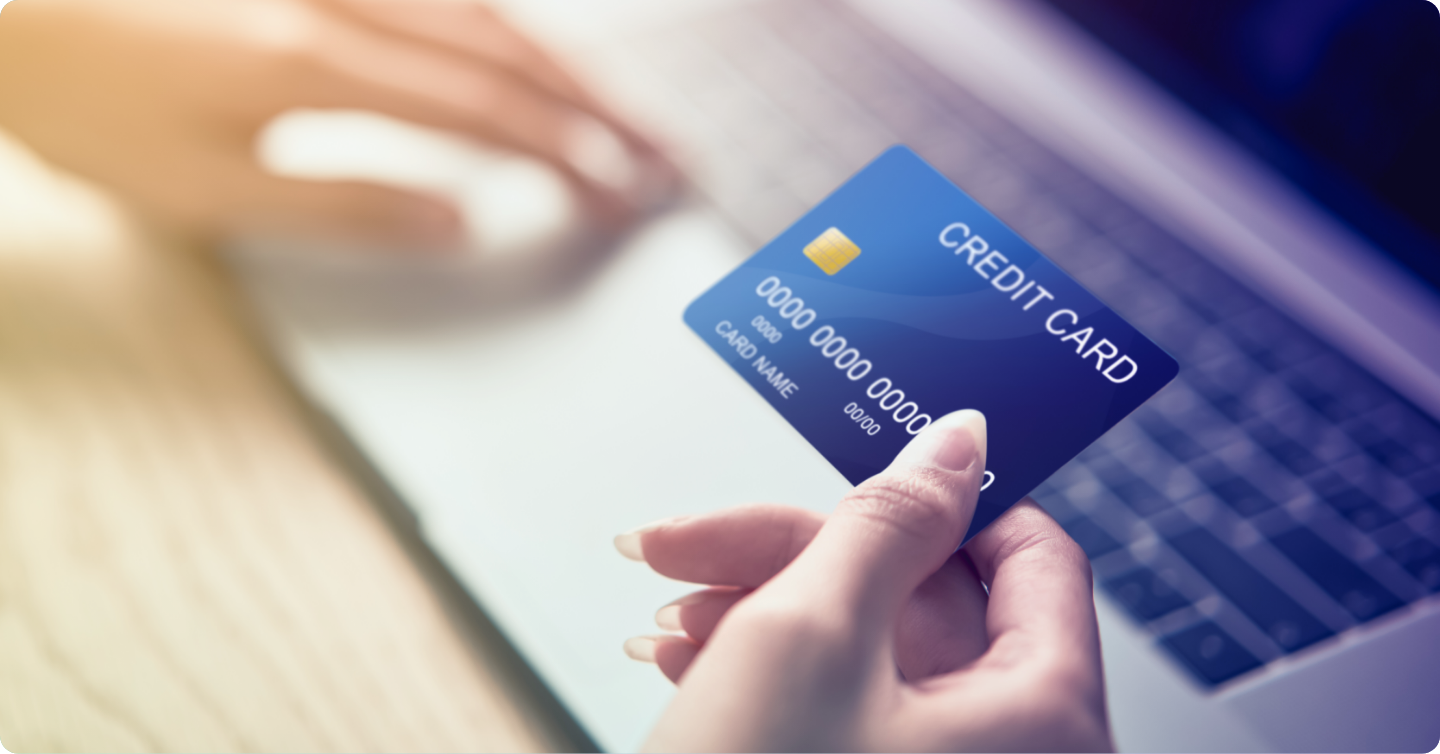
When used wisely, credit cards offer several advantages that go beyond simple transactions. They can help you build financial discipline and improve your credit profile over time.
Some key benefits include:
- Cashback and reward points on purchases
- Discounts on online and offline shopping
- Improvement in credit score with timely payments
- Financial backup during emergencies
- Option to convert large purchases into easy EMIs
These benefits make credit cards a valuable financial tool, especially for those who are just starting their financial journey.
Risks / Disadvantages
Despite the benefits, credit cards also come with certain risks, especially for beginners who are not familiar with responsible usage.
One of the biggest disadvantages is the high interest rate, which can go up to 30–40% annually. If you carry forward your balance, the interest can accumulate rapidly. Additionally, the ease of spending can lead to overspending, creating a habit that is hard to control.
Late payment fees and penalties add further financial stress, and repeated missed payments can negatively impact your credit score. This is why understanding the risks is just as important as knowing the benefits.
Types of Credit Cards
There are different types of credit cards available in the market, each designed to suit specific needs and lifestyles.
- Cashback Credit Cards: Offer a percentage of your spending back as cash
- Reward Credit Cards: Provide points that can be redeemed for gifts or vouchers
- Travel Credit Cards: Offer benefits on flights, hotels, and travel bookings
- Fuel Credit Cards: Help save money on fuel expenses
- Secured Credit Cards: Issued against a fixed deposit, ideal for beginners or those with no credit history
Choosing the right type depends on your spending habits and financial goals.
How to Choose the Right Credit Card
Selecting the right credit card is a crucial decision for beginners. Instead of being influenced by attractive offers, focus on practicality and long-term benefits.
Start by checking the annual fee. Beginners should ideally go for cards with low or zero annual fees. Next, understand the reward system—simple cashback options are usually better than complex point systems.
You should also consider your spending habits. For example, if you shop online frequently, a card with cashback on online purchases would be more beneficial. Lastly, always review the interest rates and hidden charges before applying.
Common Mistakes to Avoid
Many beginners make avoidable mistakes that can lead to financial trouble. Being aware of these mistakes can help you stay on the right track.
- Paying only the minimum due instead of the full amount
- Missing the payment due date
- Spending beyond the credit limit
- Applying for multiple credit cards at once
- Not tracking monthly expenses
These mistakes may seem minor initially but can have serious long-term consequences.
Tips for Smart Usage
Using a credit card smartly is the key to maximizing its benefits while avoiding financial stress. A few disciplined habits can make a big difference.
Always aim to pay your full bill amount on time. Setting up auto-pay is a great way to ensure you never miss a payment. Keeping track of your monthly spending helps you stay within budget and avoid unnecessary expenses.
Another important tip is to maintain your credit utilization below 30% of your total limit. This not only keeps your spending under control but also positively impacts your credit score.
Comparison Table
| Feature | Smart Usage | Wrong Usage |
| Payment | Full payment on time | Paying minimum due |
| Spending | Within limit | Overspending |
| Bills | Always on time | Late payments |
| Cards | 1–2 cards | Too many cards |
| Credit Score | Improves | Gets damaged |
Conclusion
Credit cards can be a powerful financial tool when used wisely. For beginners, the key lies in understanding how they work and developing disciplined spending habits. While they offer convenience, rewards, and financial flexibility, careless usage can lead to debt and financial stress.
Starting with a simple, low-fee credit card and following smart usage practices can help you build a strong financial foundation. Over time, this will not only improve your credit score but also open doors to better financial opportunities.
A credit card is not free money—it is a responsibility. Use it wisely, and it will work in your favor.