

Running a small business requires more than finding customers and selling products. Business owners also need to manage money carefully, plan expenses, pay employees, handle supplier payments and ensure that enough funds are available for everyday operations.
One of the biggest challenges small businesses face is maintaining healthy cash flow while managing loan repayments.
A business may generate strong sales but still struggle financially if customers take too long to pay invoices. Similarly, taking multiple loans without a clear repayment strategy can create unnecessary financial pressure.
This is why cash flow management and responsible borrowing are essential for business success.
Whether you operate a retail shop, an online store, a consulting company or a growing startup, understanding how money enters and leaves your business can help you make better financial decisions.
Let's explore the most effective ways to manage small business cash flow and loans.
1. Understand Your Business Cash Flow
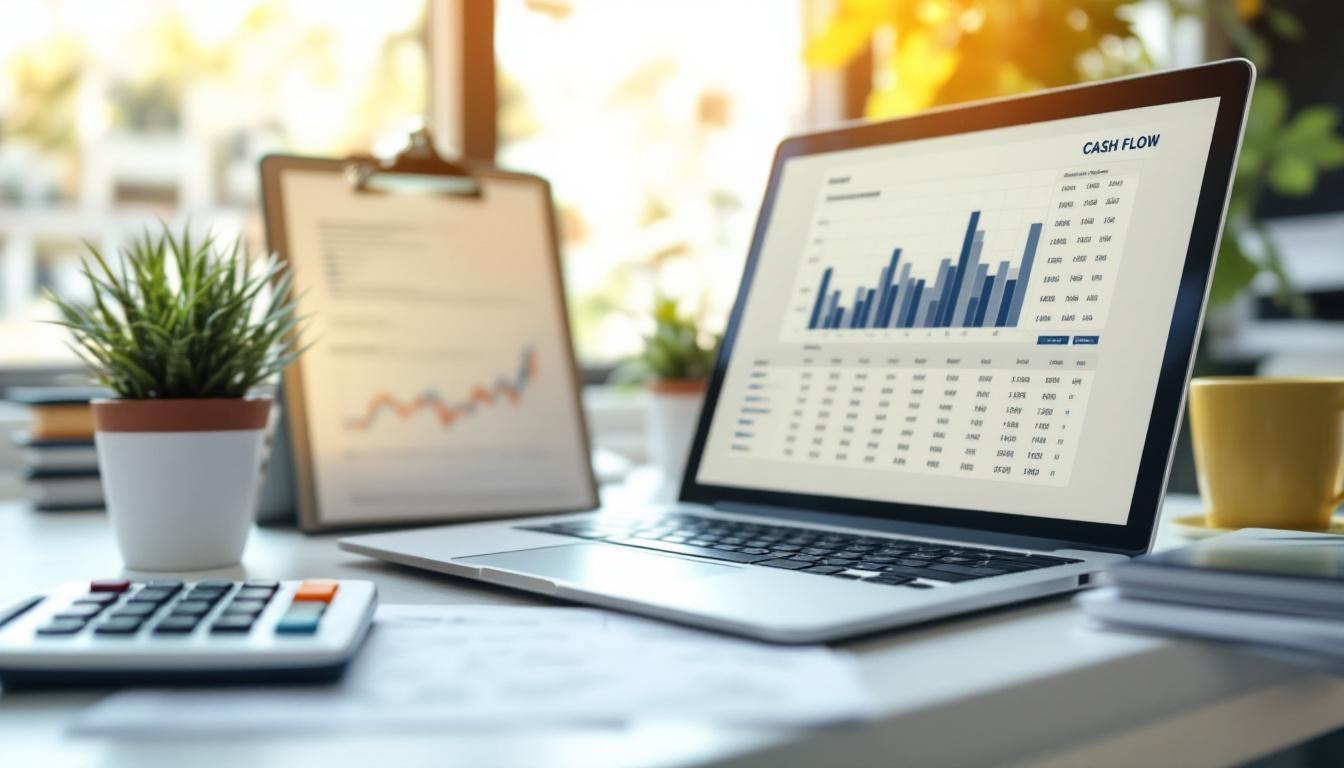
Cash flow refers to the movement of money into and out of a business over a specific period.
Money received from customers, sales and investments represents cash inflows. Payments for rent, salaries, inventory, utilities and loan instalments represent cash outflows.
Understanding this movement helps business owners identify whether they have enough available money to manage daily operations.
For example, a small retail business might generate ₹5 lakh in monthly sales. However, if ₹3 lakh is spent on inventory, ₹80,000 on salaries and ₹70,000 on rent and other expenses, only ₹50,000 remains before other financial obligations.
This demonstrates why revenue alone cannot determine the financial health of a business.
Common Sources of Business Cash Flow
Cash Flow Type | Examples | Financial Purpose | Management Strategy |
|---|---|---|---|
Sales income | Product and service sales | Generate revenue | Monitor sales regularly |
Customer payments | Invoice collections | Maintain liquidity | Follow up on overdue invoices |
Business investments | Owner contributions | Support expansion | Plan capital allocation |
Operating expenses | Rent and salaries | Run daily operations | Control unnecessary spending |
Loan repayments | EMI and interest | Repay borrowed funds | Maintain repayment schedules |
2. Create a Monthly Cash Flow Forecast
A cash flow forecast helps business owners estimate how much money will enter and leave the business in the coming weeks or months.
Instead of waiting until money becomes tight, owners can identify potential financial gaps in advance.
For example, a business may expect higher inventory costs before a festive season but receive most customer payments several weeks later. A cash flow forecast can help the owner prepare for this temporary difference.
A useful forecast should include:
Expected monthly sales.
Outstanding customer payments.
Supplier and inventory expenses.
Employee salaries.
Rent and utility bills.
Loan instalments and interest.
Taxes and other financial obligations.
Emergency financial reserves.
Example of a Monthly Cash Flow Forecast
Illustrative figures in Indian rupees (₹), not financial projections.
Particulars | Month 1 | Month 2 | Month 3 |
|---|---|---|---|
Opening Cash | ₹1,00,000 | ₹1,20,000 | ₹1,45,000 |
Cash Inflows | ₹3,00,000 | ₹3,50,000 | ₹4,00,000 |
Cash Outflows | ₹2,80,000 | ₹3,25,000 | ₹3,50,000 |
Closing Cash | ₹1,20,000 | ₹1,45,000 | ₹1,95,000 |
A forecast should be updated regularly using actual transactions. This makes it easier to identify differences between expected and actual business performance.
3. Separate Personal and Business Finances
One common mistake among small business owners is using the same bank account for personal and business expenses.
Mixing finances makes it difficult to understand how much money the business actually earns and spends.
It can also create confusion when preparing tax records, reviewing business performance or applying for loans.
Business owners should consider:
Opening a separate business bank account.
Using dedicated payment methods for business expenses.
Recording owner withdrawals separately.
Maintaining proper income and expense records.
Reviewing bank statements regularly.
Keeping finances separate improves financial transparency and makes business accounting more organised.
4. Control Operating Expenses Without Affecting Quality
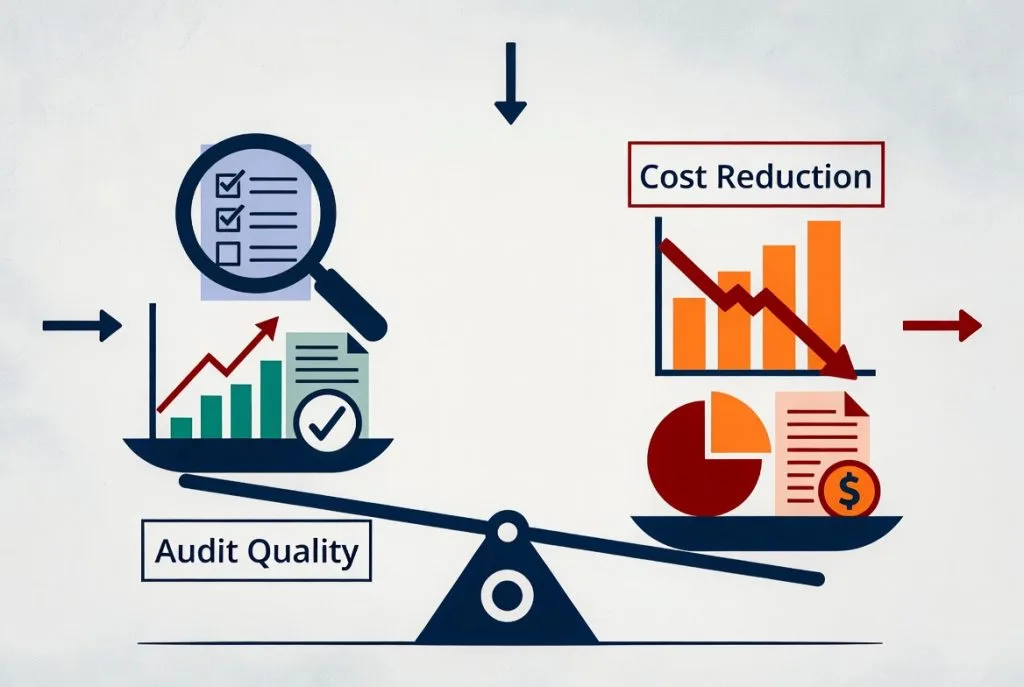
Controlling expenses is essential for maintaining healthy cash flow. However, reducing costs does not mean compromising product quality or customer experience.
Business owners should regularly review their spending to identify unnecessary expenses and opportunities to improve efficiency.
For example, negotiating better supplier terms, reducing unused subscriptions and improving inventory management can help lower operating costs.
Practical Ways to Reduce Business Expenses
Expense Category | Common Problem | Recommended Action | Expected Benefit |
|---|---|---|---|
Inventory | Overstocking | Monitor product demand | Less money tied up |
Utilities | High electricity bills | Improve energy efficiency | Lower monthly costs |
Software | Unused subscriptions | Review active plans | Reduced recurring expenses |
Suppliers | Expensive purchasing | Negotiate terms | Better cost management |
Marketing | Unmeasured campaigns | Track campaign results | Improved spending efficiency |
5. Manage Customer Payments and Outstanding Invoices
Delayed customer payments can create serious cash flow problems, particularly for service-based businesses and companies that operate on credit.
A business may complete a project or deliver products but still struggle to pay its own suppliers because the customer has not cleared the invoice.
To avoid this situation, businesses should establish clear payment terms.
Effective Invoice Management Practices
Set clear payment deadlines: Mention payment due dates and conditions in every invoice.
Send invoices promptly: Avoid unnecessary delays after completing a sale or service.
Follow up regularly: Send polite payment reminders before and after due dates.
Offer convenient payment methods: Make it easier for customers to complete transactions.
Monitor overdue accounts: Identify customers with repeated payment delays and review their credit arrangements.
For businesses working with multiple clients, invoice tracking software can help monitor payment status and improve collection processes.
6. Choose the Right Business Loan
Business loans can help small companies purchase equipment, increase inventory, hire employees or expand operations. However, choosing the wrong loan can create repayment difficulties.
Before borrowing, business owners should understand why they need the money and how the loan will contribute to business growth.
Different financing options serve different purposes.
Common Types of Small Business Financing
Financing Option | Main Purpose | Key Advantage | Important Consideration |
|---|---|---|---|
Term Loan | Business expansion | Fixed repayment structure | Regular EMI obligations |
Working Capital Loan | Daily operating expenses | Supports short-term liquidity | Interest and repayment costs |
Business Line of Credit | Unexpected expenses | Flexible borrowing | Fees and variable interest |
Equipment Financing | Machinery and equipment | Supports asset purchases | Asset-related conditions |
Invoice Financing | Unpaid customer invoices | Access to funds earlier | Financing fees |
Business Credit Card | Smaller business purchases | Convenient payments | Interest on unpaid balances |
Business owners should compare loan terms, interest rates, processing fees, repayment periods and eligibility requirements before selecting a financing option.
7. Calculate Loan Repayments Before Borrowing
Taking a loan without understanding its repayment obligations can put unnecessary pressure on business finances.
Before accepting financing, calculate the monthly instalment and evaluate whether the business can comfortably manage it alongside existing expenses.
For example, if a business has an average monthly cash surplus of ₹80,000 and its proposed loan EMI is ₹35,000, the owner should still consider unexpected expenses, seasonal sales changes and other financial commitments.
A loan should support business operations rather than create a continuous cash shortage.
Important Factors to Evaluate Before Taking a Loan
Interest rate: Understand whether the rate is fixed or floating.
Loan tenure: Check how long repayment will continue.
Processing fees: Include additional borrowing costs.
Monthly EMI: Ensure repayment fits expected cash flow.
Prepayment conditions: Check whether early repayment involves charges.
Collateral requirements: Understand whether business or personal assets are involved.
Late payment penalties: Know the consequences of missed instalments.
A useful practice is to compare the total repayment amount rather than focusing only on the advertised interest rate.
8. Build an Emergency Cash Reserve

Unexpected expenses can affect even well-managed businesses. Equipment breakdowns, delayed customer payments, seasonal sales declines and emergency repairs can create sudden financial pressure.
An emergency cash reserve provides a financial cushion during these situations.
Small businesses can gradually build reserves by setting aside a portion of their available cash surplus.
The required reserve depends on the business model, monthly expenses and income stability. A business with seasonal revenue may need a larger cushion than one with predictable recurring income.
Ways to Build an Emergency Reserve
Set a realistic monthly savings target.
Transfer surplus funds into a separate reserve account.
Avoid using emergency money for unnecessary purchases.
Review the reserve amount regularly.
Rebuild the fund after using it for an emergency.
An emergency reserve can reduce dependence on high-cost short-term borrowing.
9. Use Accounting Software to Track Business Finances
Managing business finances manually becomes difficult as transactions increase. Accounting software can help business owners organise financial records, track expenses, prepare invoices and monitor cash flow.
Digital accounting systems can also reduce manual errors and make it easier to review financial performance.
Popular accounting and financial management solutions include:
QuickBooks: Helps businesses manage invoices, expenses and financial reports.
Zoho Books: Supports bookkeeping, invoicing and payment tracking.
Xero: Provides accounting and cash flow management features.
TallyPrime: Offers accounting, inventory and business reporting capabilities.
The right solution depends on business size, accounting requirements, budget and local tax regulations.
10. Monitor Financial Performance Every Month
Financial planning should not be a one-time activity. Business owners should regularly review financial performance to understand whether their current strategies are working.
Monthly financial reviews can reveal increasing expenses, declining sales, delayed payments and growing debt obligations.
Important Financial Metrics to Monitor
Financial Metric | What It Measures | Why It Matters | Review Frequency |
|---|---|---|---|
Cash Flow | Money entering and leaving | Tracks available cash | Weekly |
Profit Margin | Profit relative to revenue | Measures profitability | Monthly |
Current Ratio | Short-term assets vs liabilities | Indicates short-term liquidity | Monthly |
Accounts Receivable | Money customers owe | Tracks payment collection | Weekly |
Debt-to-Income or Debt Ratios | Debt relative to financial capacity | Helps assess borrowing pressure | Monthly |
Loan Repayment Status | Instalments paid and outstanding | Prevents missed payments | Monthly |
These metrics should be reviewed together rather than in isolation. For example, a business can be profitable but still face liquidity problems because customers have not paid their invoices.
11. Avoid Taking Multiple Loans Without a Repayment Plan
Borrowing money can support business growth, but taking several loans without understanding the combined repayment burden can create serious financial challenges.
Before applying for another loan, business owners should review their existing debts, interest costs and monthly obligations.
A responsible borrowing strategy includes:
Maintaining a complete list of existing loans.
Reviewing outstanding balances and repayment dates.
Avoiding unnecessary borrowing for routine expenses.
Comparing refinancing options carefully.
Prioritising high-cost debt where appropriate.
Seeking professional financial advice when repayment becomes difficult.
If a business is already struggling with repayments, contacting the lender early may provide opportunities to discuss available restructuring or repayment options.
12. Create a Long-Term Financial Management Strategy
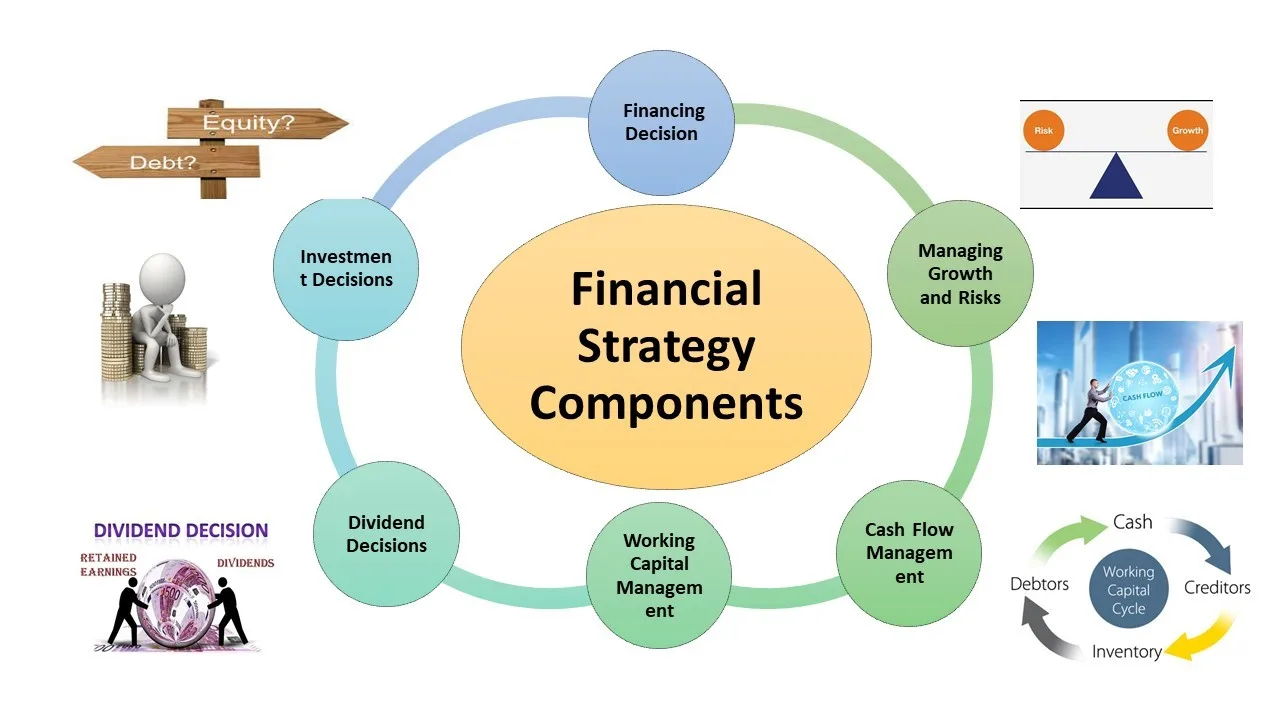
Successful financial management requires a balance between immediate cash needs and future business goals.
Small businesses should develop a financial strategy that covers revenue targets, operating expenses, borrowing requirements, savings and future investments.
For example, a growing online business may need additional working capital during a high-demand season. Planning this requirement in advance can help the owner arrange suitable financing rather than relying on emergency borrowing.
Business owners can also regularly explore trusted financial education resources to improve their understanding of budgeting, business credit and financing decisions.
You can explore Salesforce's financial resources for entrepreneurs to discover useful insights about financial planning, business growth and smarter decision-making.
For additional finance-related content ideas and research topics, explore Superblog's finance resources.
Common Cash Flow and Loan Management Mistakes to Avoid
Even experienced business owners can make financial decisions that create cash flow difficulties.
Common Mistake | Why It Creates Problems | Better Practice | Business Benefit |
|---|---|---|---|
Mixing personal and business money | Confusing financial records | Maintain separate accounts | Better transparency |
Ignoring unpaid invoices | Reduces available cash | Follow up on payments | Improved liquidity |
Borrowing without planning | Creates repayment pressure | Calculate affordability | Responsible borrowing |
Overspending on inventory | Locks money in stock | Forecast demand | Better cash utilisation |
Missing EMI deadlines | May cause penalties | Use payment reminders | Consistent repayment |
Ignoring financial reports | Delays problem identification | Review monthly accounts | Better decisions |