
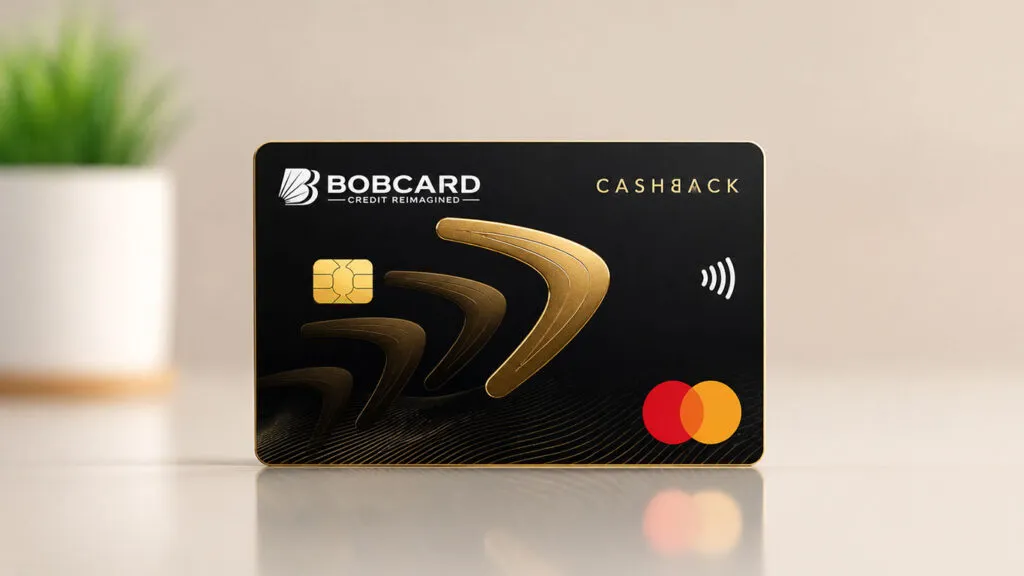
Credit cards have become a useful part of everyday financial management. They allow people to make purchases without paying immediately and provide access to different benefits, including cashback, reward points, discounts, and special offers. When used responsibly, a credit card can make shopping more convenient and help users manage their monthly expenses.
In 2026, credit card companies and banks offer different types of cards designed for shopping, travel, dining, entertainment, fuel, and everyday spending. Each card comes with its own features, fees, rewards, and eligibility requirements. Choosing the right option depends on your spending habits and financial needs.
However, getting a credit card is not just about enjoying discounts or collecting reward points. Understanding interest rates, billing cycles, payment deadlines, and additional charges is equally important. This guide explains the major credit card benefits and how to use them wisely.
1. What Is a Credit Card?
A credit card is a payment card issued by a bank or financial institution that allows users to borrow money up to an approved credit limit. Instead of paying directly from a bank account, cardholders can use the available credit to purchase products and services.
The amount spent must be repaid according to the billing cycle and payment due date. Most credit cards provide an interest-free period on eligible purchases when the full statement balance is paid on time.
Credit cards can be used for online shopping, grocery purchases, restaurant bills, travel bookings, utility payments, and other everyday transactions.
2. Cashback Benefits on Everyday Purchases
Cashback is one of the most popular reasons people choose credit cards. It allows cardholders to receive a percentage of their eligible spending back as a reward.
For example, some credit cards offer cashback on online shopping, food delivery, grocery purchases, or selected retail transactions. Depending on the card, cashback may be credited directly to the account or adjusted against the outstanding statement balance.
Before selecting a cashback card, check the following details:
Cashback percentage on eligible purchases.
Monthly or annual cashback limits.
Minimum spending requirements.
Categories excluded from cashback.
Cashback redemption conditions.
A card with a high cashback rate is not always the best choice. Compare its annual fee and spending conditions before applying.
3. Earn Reward Points on Purchases
Reward points allow users to earn benefits through eligible credit card transactions. Every time a cardholder makes a qualifying purchase, they may receive a certain number of points.
These points can sometimes be redeemed for shopping vouchers, merchandise, travel bookings, gift cards, or other available benefits.
Different credit cards have different reward structures. Some offer higher points on selected categories, while others provide standard rewards on general purchases.
To make better use of reward points, understand their value, expiry date, redemption rules, and minimum redemption requirements. Avoid unnecessary purchases simply to collect more points.
4. Discounts and Special Shopping Offers
Credit cards frequently provide discounts and promotional offers through partner brands, shopping platforms, restaurants, and service providers.
These offers can help users reduce expenses when purchasing products they already need. Depending on the card and current promotion, benefits may include instant discounts, additional cashback, or special shopping deals.
Some common categories include:
Online shopping and fashion.
Electronics and home appliances.
Restaurants and food delivery.
Entertainment and movie tickets.
Travel and hotel bookings.
Before using an offer, check its validity period, minimum transaction amount, maximum discount, and participating merchants.
5. Travel Benefits and Airport Lounge Access
Some credit cards are designed for people who travel frequently. They may provide travel-related benefits that make certain journeys more convenient.
Depending on the card, these benefits can include airport lounge access, travel reward points, hotel discounts, flight offers, and selected travel-related privileges.
Premium credit cards may also offer additional travel services, but these often come with higher annual fees and specific eligibility conditions.
If you travel regularly, compare the following features:
Always check the latest terms because lounge access and other travel benefits may have usage limits.
6. Build a Healthy Credit History
Responsible credit card usage can help individuals develop a positive credit history. Payment behaviour, outstanding balances, and credit utilisation may influence credit scores.
A good credit history can be helpful when applying for financial products such as personal loans, home loans, or other credit facilities.
Here are some habits that can support better credit management:
Pay credit card bills before the due date.
Avoid keeping large outstanding balances.
Use only the credit limit you can comfortably repay.
Check credit reports for incorrect information.
Avoid applying for multiple credit cards unnecessarily.
Remember that simply owning a credit card does not guarantee a high credit score. Regular and responsible repayment behaviour matters.
7. Convenient and Secure Online Payments
Credit cards make online and offline transactions easier. They are accepted by many shopping websites, retail stores, restaurants, travel platforms, and service providers.
Many banks also provide mobile applications that allow users to monitor transactions, check outstanding balances, download statements, and manage payment reminders.
Security features may include transaction alerts, temporary card blocking, spending controls, and additional authentication for online payments.
For safer transactions, never share your card PIN, CVV, OTP, or banking password with anyone. Use trusted websites and report suspicious transactions to your card issuer immediately.
8. Interest-Free Credit Period
One useful feature of many credit cards is the interest-free period on eligible purchases. It gives cardholders additional time to pay for their purchases without paying interest, provided the full statement balance is paid by the due date and the account meets the card's terms.
The interest-free period depends on the billing cycle and purchase date. A transaction made just after the billing date may receive a longer payment period than one made shortly before the statement is generated.
However, cash withdrawals and certain transactions may not receive this benefit and can attract interest or additional charges from the transaction date.
Always understand your billing cycle and payment deadline to avoid unnecessary interest.
9. Understand Credit Card Fees and Charges
Although credit cards offer several benefits, they may also include different charges. Understanding these costs before applying can help you avoid unexpected expenses.
Common credit card charges include:
Joining Fee
One-time fee when getting a credit card.
Annual Fee
Yearly charge for card maintenance.
Late Payment Fee
Charge for missing payment deadlines.
Interest Charges
Interest on unpaid card balances.
Cash Withdrawal Fee
Fee for withdrawing cash using a card.
Foreign Transaction Fee
Charges on eligible international transactions.
Some cards offer annual fee waivers when users meet specific spending conditions. Review the complete fee structure before choosing a card.
10. Tips to Use Credit Cards Wisely
Getting the most value from a credit card requires good financial habits. Rewards and cashback can be useful, but they should never encourage unnecessary spending.
Consider these practical tips:
Set a monthly spending limit based on your income.
Use your credit card for planned purchases.
Pay the full statement balance whenever possible.
Track transactions through your banking application.
Avoid using your entire available credit limit.
Review reward points and cashback conditions.
Set payment reminders to avoid missing deadlines.
Check statements regularly for unfamiliar transactions.
These habits can help you enjoy credit card benefits while keeping your finances under control.
11. How to Choose the Right Credit Card in 2026
Choosing a suitable credit card depends on your lifestyle, financial requirements, and spending patterns. A card that works well for frequent travellers may not be useful for someone who mainly shops online or purchases groceries.
Before applying, compare different credit cards based on their features and costs.
Factor | What to Check |
|---|---|
Annual Fee | Compare yearly maintenance costs |
Cashback | Check eligible spending categories |
Reward Points | Understand earning and redemption rules |
Credit Limit | Choose according to your financial needs |
Interest Rate | Review applicable finance charges |
Additional Benefits | Check travel, shopping, and dining offers |
Also review the eligibility criteria, required documents, and terms provided by the issuing bank. Do not apply only because a card advertises attractive rewards.
Conclusion
Credit cards can provide several advantages, from cashback and shopping discounts to reward points and convenient payments. They can also help users develop a positive credit history when managed responsibly.
However, the real value of a credit card depends on how it is used. Before applying, compare available options, understand the charges, and select a card that matches your regular spending habits.
Frequently Asked Questions
1. What are credit card benefits?
Cashback, rewards, discounts, and travel perks.
2. What is cashback?
Cashback returns a percentage of eligible spending.
3. Can credit cards offer travel benefits?
Yes, some cards offer lounge access and travel discounts.
4. Do credit cards charge annual fees?
Some cards have yearly fees, while others are free.
5. How can I use a credit card safely?
Pay bills on time and protect your card details.