
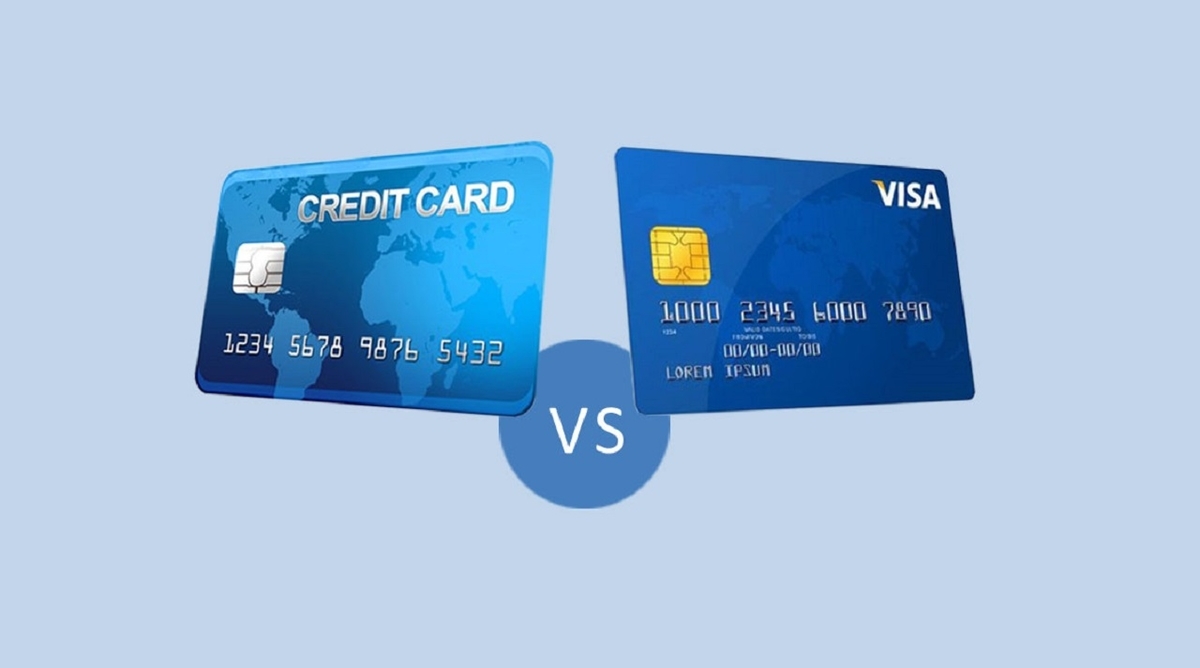
When I started using cards for everyday payments, I honestly thought a credit card and debit card were almost the same thing. Both let you pay without carrying cash, both work for online shopping, and both are accepted at many of the same places.
The real difference becomes clear when you look at where the money comes from.
With a debit card, the payment is generally taken from the money already available in your bank account. With a credit card, you are borrowing money from the card issuer up to your approved credit limit and paying it back later.
That difference can affect your spending, interest charges, credit score, rewards, and even how you manage your monthly budget.
So, if you are wondering which is better—a credit card or debit card?, the answer really depends on how you use it.
Credit Card vs Debit Card at a Glance
Feature | Credit Card | Debit Card |
|---|---|---|
Money source | Credit provided by issuer | Money in your bank account |
Payment timing | Pay later | Money deducted from account |
Credit limit | Yes | Usually linked to account balance and bank limits |
Interest | Can apply if balance is carried | No interest on normal purchases |
Credit score | Can affect credit history | Usually does not build credit history |
Rewards | Often available | May have fewer rewards |
EMI facility | Often available | Usually limited/merchant dependent |
Overspending risk | Higher | Generally lower |
ATM cash withdrawal | Available but often expensive | Commonly available |
Best for | Rewards, credit building, planned expenses | Everyday spending and budget control |
What Is a Debit Card?
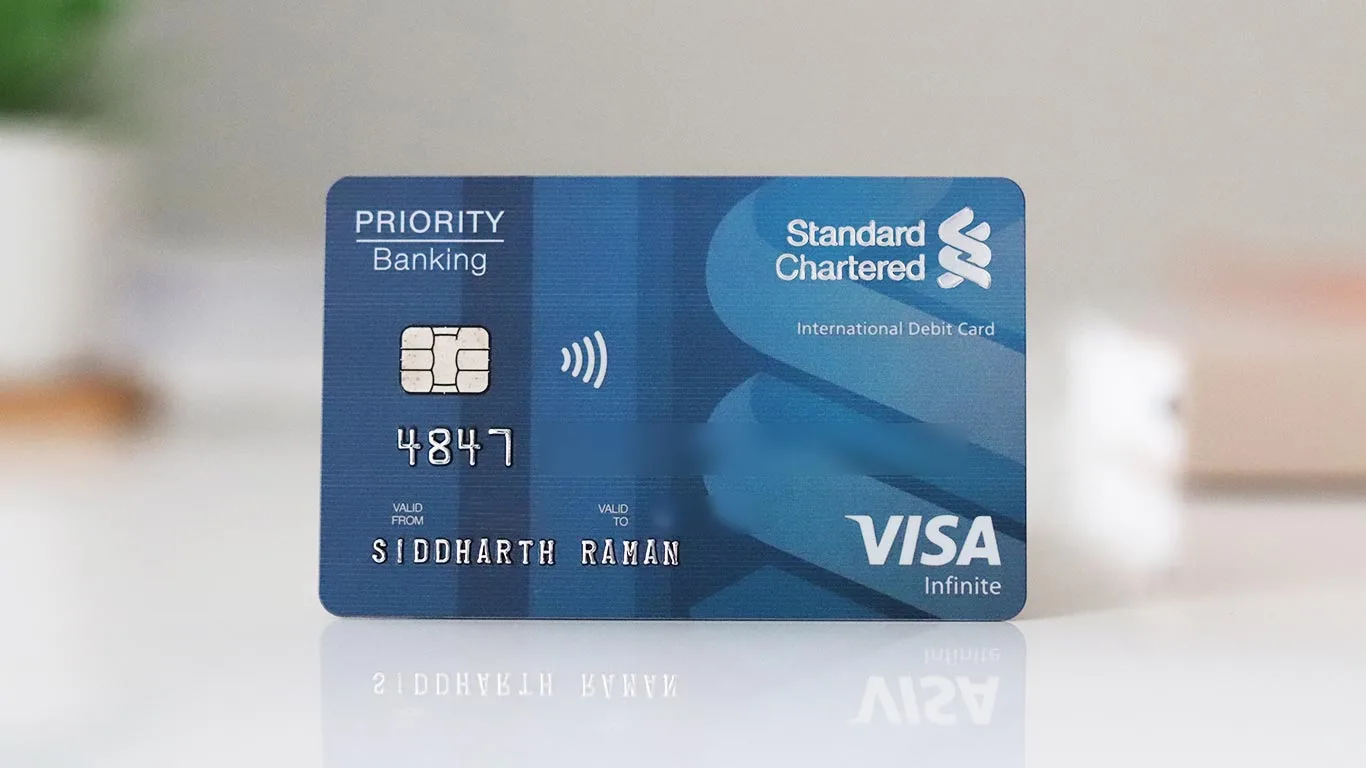
A debit card is connected directly to your bank account.
When I use my debit card for a purchase, the money comes from the balance already available in my account. So, if I have ₹20,000 in my account and spend ₹2,000 using my debit card, my available balance generally becomes ₹18,000, subject to any pending transactions or holds.
This makes debit cards quite straightforward.
How a Debit Card Works
The basic process is:
Bank account → Debit card → Purchase → Money deducted from account
For everyday expenses such as groceries, fuel, shopping or restaurant bills, a debit card can be an easy way to spend money without borrowing.
Benefits of a Debit Card
No need to borrow money for regular purchases
Spending is linked to your available account balance
No regular purchase interest when you use your own funds
Convenient for ATM withdrawals
Easy to use for everyday transactions
Can help maintain a fixed spending budget
For someone who wants to keep spending under control, I find the debit card concept quite simple: if the money is not in the account, you generally cannot spend it through the card beyond applicable overdraft or other bank facilities.
What Is a Credit Card?
A credit card works (opens in a new tab) differently.
Instead of taking the money directly from your bank account at the time of purchase, the card issuer pays the merchant and adds the transaction to your credit card account.
You then receive a bill and have to repay the amount according to the card's terms.
How a Credit Card Works
The basic process looks like this:
Credit limit → Purchase → Credit card bill → Repayment
For example, suppose your credit card limit is ₹1,00,000. You purchase a product worth ₹10,000 using the card.
You have not necessarily taken ₹10,000 directly from your savings account at that moment. Instead, the amount becomes part of your outstanding credit card balance.
You then need to repay the bill by the due date.
Credit Card vs Debit Card: The Biggest Difference
The simplest way I explain the difference is:
Debit card = spend your money now.
Credit card = borrow the issuer's money and repay it later.
This sounds simple, but it has several consequences.
With a debit card, your spending generally reduces your bank balance immediately or after the transaction settles.
With a credit card, your bank balance does not normally decrease when you make the purchase. Instead, your available credit decreases.
That is why credit cards require more discipline.
Credit Card vs Debit Card for Daily Shopping
Both cards can be used for daily purchases, but the experience can be different.
Debit Card
A debit card is useful when you want your purchases to come directly from your bank balance.
For example:
Grocery shopping
Fuel payments
Restaurant bills
Online purchases
Utility payments
Small everyday expenses
Credit Card
A credit card can be useful for similar purchases, especially if you are trying to earn rewards or cashback.
For example:
Online shopping
Travel bookings
Dining
Subscription payments
Large planned purchases
Eligible EMI purchases
However, I would not recommend using a credit card simply because you have available credit. Available credit is not the same as available income.
Credit Card vs Debit Card: Interest
This is one of the most important differences.
A debit card normally uses your own money, so ordinary purchases do not create a credit balance that accumulates interest.
With a credit card, interest can apply when you do not pay your outstanding balance according to the card's terms.
This is why I personally think credit card users should make one habit a priority:
Pay the full billed amount by the due date whenever possible.
Paying only the minimum amount due can keep the account current according to the issuer's terms, but the remaining balance may continue to attract interest and can become expensive.
Credit Card vs Debit Card and Credit Score
This is another major difference.
Responsible use of a credit card can help establish a positive credit history because credit card activity may be reported to credit bureaus.
A debit card generally does not work the same way because you are using money from your bank account rather than borrowing through a credit facility.
For someone trying to build a credit profile, responsible credit card use can therefore be useful.
Good Credit Card Habits
Pay bills on time
Avoid unnecessary borrowing
Keep credit utilization under control
Check your credit card statements
Avoid applying for too many cards at once
Do not spend more simply to earn rewards
Credit Card vs Debit Card for Rewards
This is where credit cards often become more attractive.
Many credit cards offer benefits such as:
Reward points
Cashback
Travel benefits
Discounts
Airport lounge access
Dining offers
Shopping offers
Debit cards can also provide offers and benefits depending on the bank and card network, but credit cards often have broader reward programs.
Still, rewards are useful only when you are not paying unnecessary interest to earn them.
For example, getting ₹500 worth of rewards does not make sense if you end up paying thousands in interest because you carried a balance.
Credit Card vs Debit Card for Online Shopping
Both can be used for online purchases, but there are some practical differences.
A credit card can be useful for larger purchases because the money does not immediately leave your bank account. It may also provide additional card-related protections depending on the issuer and transaction.
A debit card, on the other hand, directly connects the purchase to your bank balance.
For online shopping, I personally prefer thinking about security first rather than rewards.
Use strong passwords, enable transaction alerts, never share OTPs or card details unnecessarily, and monitor your statements regularly.
Credit Card vs Debit Card for Emergency Expenses
This is where a credit card can sometimes provide a useful short-term payment option.
Suppose an unexpected expense occurs and you do not have enough cash available at that exact moment. An available credit limit may provide temporary purchasing flexibility.
But there is an important catch.
A credit card should not become a permanent solution for expenses that you cannot afford.
If you repeatedly use credit to cover regular living expenses and cannot repay the balance, debt can grow quickly.
For genuine emergencies, having an emergency fund is still a much healthier long-term strategy.
Credit Card vs Debit Card for ATM Withdrawals
Debit cards are generally designed to provide convenient access to your bank account through ATMs.
Credit cards can also allow cash advances in some cases, but these can involve fees and interest under the issuer's terms.
Because of that, I would generally avoid treating a credit card like a regular ATM card.
If you need cash, check the applicable charges before using a credit card for a cash withdrawal.
Credit Card vs Debit Card for Large Purchases
For a large planned purchase, a credit card can sometimes be useful if:
You have enough income to repay the amount
The card offers a suitable reward or benefit
You understand any EMI costs
You have checked the applicable fees
You can manage the repayment comfortably
A debit card may be better if you already have the money available and prefer not to borrow.
The important thing is not simply "Which card gives me more?"
The better question is:
"Which option helps me make this purchase without creating unnecessary financial pressure?"
Credit Card vs Debit Card: Which Is Safer?
Neither is automatically risk-free.
Both cards can be exposed to risks such as:
Phishing
Card theft
Unauthorized transactions
Fake shopping websites
Skimming
Social engineering scams
The safest approach is to monitor transactions and respond quickly to suspicious activity.
Simple Card Safety Tips
Never share your PIN or OTP
Do not save card details on unfamiliar websites
Turn on transaction notifications
Check your bank and card statements
Block a lost card immediately
Use trusted websites and apps
Avoid clicking suspicious payment links
Can You Have Both a Credit Card and Debit Card?
Absolutely.
In fact, many people use both.
I think this can be a practical approach because each card can have a different purpose.
For example:
Debit card: everyday spending and ATM withdrawals.
Credit card: planned purchases, rewards, travel bookings and expenses that you know you can repay.
The key is to avoid treating the credit limit as extra income.
Common Mistakes to Avoid With Credit Cards
If you decide to use a credit card, these are some habits worth avoiding:
1. Paying Only the Minimum
The minimum due is not the same as paying off the balance.
2. Maxing Out Your Credit Limit
High credit utilization can affect your credit profile and may also signal that you are relying heavily on borrowed money.
3. Spending for Rewards
Never buy something unnecessary just because a card offers cashback or reward points.
4. Ignoring Statements
Always check your statement for unfamiliar transactions, fees and errors.
5. Missing the Due Date
Late payments can lead to charges and may negatively affect your credit history.
Conclusion
Credit cards and debit cards both make everyday payments convenient, but they work in very different ways. A debit card uses the money already available in your bank account, while a credit card lets you borrow up to a set limit and repay the amount later.
If you want simple spending and better budget control, a debit card can be a good choice. If you want rewards, credit-building opportunities, or additional payment flexibility, a credit card may be more useful. Personally, I think the best approach is to use either card according to your financial situation and avoid spending more than you can comfortably afford.
The key is not which card you choose, but how responsibly you use it.