
In 2026, global metal markets continue to be heavily influenced by China’s economic performance. As the world’s largest consumer of industrial metals, China plays a decisive role in determining price movements across commodities such as copper, iron ore, aluminum, and steel. Any shift in its economic activity—whether expansion or slowdown—quickly reflects in global pricing trends. For investors, traders, and policymakers, understanding China’s demand patterns has become essential for navigating the metals market effectively.
China’s Dominant Position in the Global Metal Market
China accounts for more than half of global consumption for several key industrial metals. Its rapid urbanization, large-scale infrastructure development, and strong manufacturing base create consistent demand. In addition, China is one of the largest importers of raw materials, sourcing iron ore from Australia and Brazil, and copper from countries like Chile and Peru.
This dominance means that even minor changes in China’s demand can create significant ripple effects across global supply chains. When China increases its imports, global prices tend to rise due to tighter supply. Conversely, a decline in demand can lead to oversupply in international markets, pushing prices downward.
Key Drivers of Metal Prices in 2026
1. Infrastructure Investment and Government Stimulus
One of the primary drivers of metal demand in China is government-led infrastructure spending. In 2026, China continues to invest in transportation networks, renewable energy projects, and urban development initiatives. Railways, highways, bridges, and smart cities require massive quantities of steel, copper, and aluminum.
Government stimulus packages aimed at boosting economic growth often include increased infrastructure spending. These measures directly increase demand for industrial metals, creating upward pressure on prices in global markets.
2. Manufacturing and Industrial Output
China remains the “factory of the world,” producing a wide range of goods including electronics, automobiles, machinery, and consumer products. Manufacturing activity directly influences the demand for base metals.
In 2026, stable industrial production has supported consistent demand for metals. When manufacturing output increases, the need for raw materials rises, leading to higher prices. On the other hand, any slowdown in factory activity reduces demand and puts pressure on prices.
3. Real Estate Sector Trends
The real estate sector is another major contributor to metal consumption in China. Construction activities require large amounts of steel, iron ore, and aluminum. After experiencing a slowdown in previous years, the sector is showing signs of gradual stabilization in 2026.
Even a modest recovery in real estate can significantly boost demand for construction materials. However, if the sector faces financial stress or reduced investment, it can negatively impact metal prices by lowering demand.
4. Transition to Green Energy and Electric Vehicles
China’s aggressive push toward clean energy and sustainability is reshaping global metal demand. The country is investing heavily in renewable energy sources such as solar and wind power, as well as electric vehicles (EVs).
This transition has increased demand for specific metals:
- Copper for electrical wiring and EV components
- Lithium and nickel for batteries
- Aluminum for lightweight vehicle manufacturing
These structural changes are creating long-term demand growth, particularly for metals linked to green technologies.
5. Economic Growth and Policy Decisions
China’s GDP growth rate is a critical indicator for metal markets. Strong economic growth typically leads to higher industrial activity and increased demand for metals. In contrast, slower growth or economic uncertainty can reduce consumption.
Government policies also play a key role. Environmental regulations, trade policies, and production controls can affect both demand and supply. For example, stricter environmental rules may limit mining or smelting activities, reducing supply and supporting higher prices.
Global Impact of China’s Demand
China’s influence extends far beyond its domestic economy. Changes in its demand patterns affect global commodity markets, trade flows, and investment strategies.
- Exporting Countries: Nations like Australia and Brazil rely heavily on exporting raw materials to China. A rise in Chinese demand boosts their economies, while a decline can negatively impact their export revenues.
- Mining Companies: Global mining firms adjust their production levels based on demand from China, leading to fluctuations in stock prices and market valuations.
Financial Markets: Commodity prices influence stock indices, currencies, and inflation rates worldwide, making China’s demand a key factor for global investors.
Metals Most Affected by China
Copper
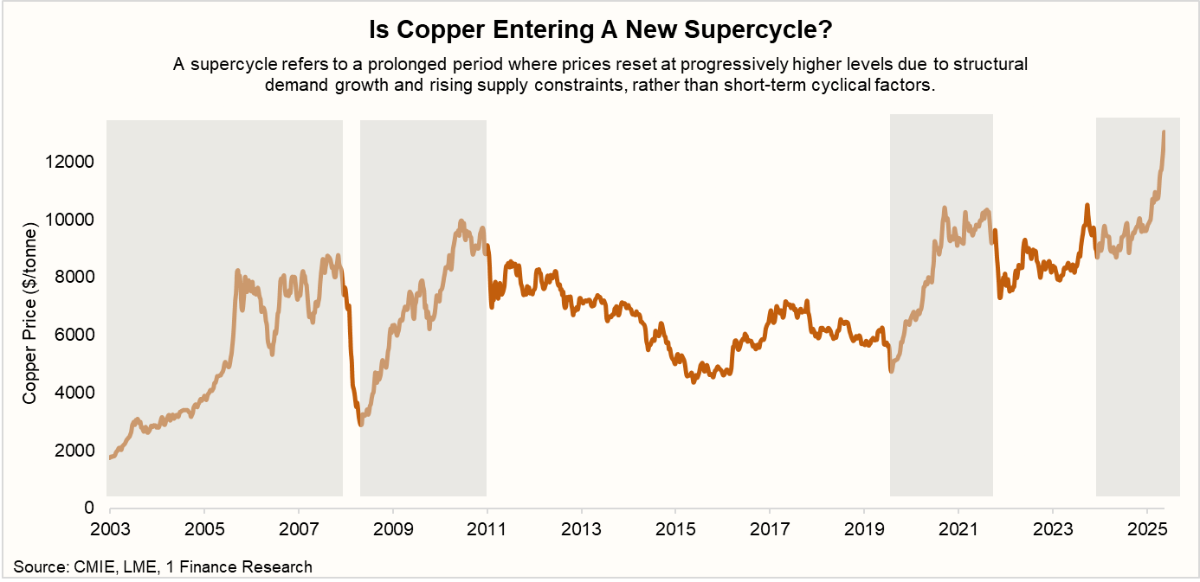
Copper is widely used in construction, electrical systems, and renewable energy. Its demand is closely linked to China’s infrastructure and manufacturing sectors.
Iron Ore and Steel
These are essential for construction and infrastructure projects. China’s real estate and urban development activities heavily influence their demand.
Aluminum
Aluminum is used in construction, transportation, and packaging. Its demand is also increasing due to the growth of electric vehicles.
Nickel and Lithium
These metals are crucial for battery production and are benefiting from the global shift toward clean energy and EVs.
Key Indicators to Watch
To understand how China’s demand will impact metal prices, investors should monitor several key indicators:
- GDP Growth Rate: Reflects overall economic health
- Infrastructure Spending: Indicates future demand for metals
- Manufacturing PMI: Measures industrial activity
- Real Estate Data: Shows construction trends
- Government Policies: Provides insight into regulatory and economic direction
Tracking these indicators can help predict price movements and identify investment opportunities.
Challenges and Risks
While China’s demand is a major driver of metal prices, there are several risks to consider:
- Economic Slowdown: A decline in growth can reduce demand
- Geopolitical Tensions: Trade conflicts can disrupt supply chains
- Environmental Regulations: Stricter policies may impact production
- Global Demand Shifts: Changes in other major economies can also influence prices
These factors can create volatility in metal markets, making it important for investors to stay informed.
Conclusion
In 2026, China remains the most influential force in the global metals market. Its demand patterns shape price movements, impact global trade, and influence investment decisions. From infrastructure development to green energy initiatives, China’s economic activities continue to drive both short-term fluctuations and long-term trends in metal prices.
For investors and market participants, understanding the connection between China’s demand and metal prices is essential. By closely monitoring economic indicators and policy changes, it is possible to anticipate market trends and make informed decisions.