
Managing multiple debts can get stressful, especially when every lender has different due dates, interest rates and loan conditions. One month, you might have a credit card payment due in the first week, a personal loan instalment in the middle and another bill waiting at the end. Keeping track of all of it is hard when your monthly budget is already tight. This is where debt consolidation loans may help. They let you combine several eligible debts into a single loan, so repayment is easier to organise. Instead of juggling many payments, you make just one monthly payment towards the new loan.
But debt consolidation is not a magic fix that makes your debt disappear. You still have to repay what you borrowed, and the new loan may come with interest and extra fees.
Before you apply, it’s worth understanding how consolidation works, who may benefit from it and what to check before choosing a lender.
What Is a Debt Consolidation Loan?
A debt consolidation loan is a type of personal loan used to pay off several existing debts. These may include credit card balances, personal loans, medical bills and other eligible unsecured debts.
Once the new loan is approved, the money is used to repay the debts you selected. After that, you make regular payments towards one consolidated loan instead of handling several separate accounts.
For example, imagine someone has three outstanding balances:
Credit card debt: $4,000
Personal loan: $3,000
Medical bills: $2,000
The total outstanding debt is $9,000. If a lender approves a $9,000 consolidation loan, the borrower can use it to clear those balances and repay the new loan through a single monthly payment.
How much you actually benefit depends on the new interest rate, the repayment period, loan fees and the terms of your original debts.
How Do Debt Consolidation Loans Work?
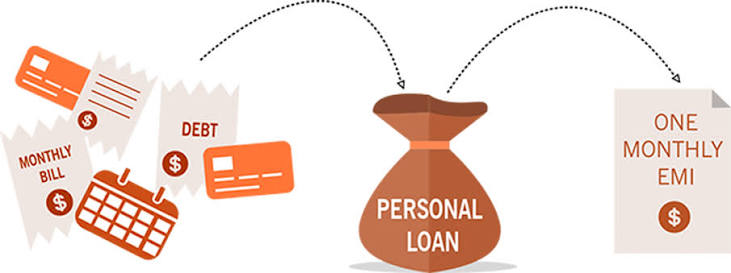
The process is usually straightforward, but you should understand each step before signing a loan agreement.
1. Calculate Your Existing Debt
Start by listing all your outstanding balances, including credit cards, personal loans and any other debts you want to consolidate.
Write down the interest rate, minimum payment, remaining balance and due date for each account. This gives you a clear picture of how much you owe right now.
2. Compare Available Loan Options
Look at different banks, credit unions and online lenders that offer debt consolidation loans. Compare their interest rates, repayment periods, eligibility requirements and extra charges.
Don’t pick a loan just because it advertises a low monthly payment. Check the total amount you’ll repay over the full loan term.
3. Apply for the Loan
Lenders usually review your credit history, income, existing financial obligations and ability to repay.
Depending on the lender, you may need to provide identification, income details, employment information and other financial documents.
4. Pay Off Your Existing Debts
If you’re approved, the loan funds can be used to clear the debts you selected. Some lenders send payments directly to your creditors, while others deposit the money into your bank account.
If the money comes to you, make sure the old balances are actually paid off following the lenders’ payment instructions.
5. Make One Monthly Payment
After consolidation, you repay the new loan on its agreed schedule. Setting up automatic payments can help you avoid missed due dates, as long as you keep enough money in your account.
Benefits of Debt Consolidation Loans
One Monthly Payment
Combine eligible debts into one monthly payment and make your repayment schedule easier to manage.
Lower Interest Rates
A suitable consolidation loan may offer a lower interest rate and help reduce overall borrowing costs.
Easier Budget Planning
One regular payment makes it easier to organise household expenses and plan your monthly budget.
Clear Repayment Schedule
Fixed repayment terms can help you understand your monthly payments and expected loan end date.
Disadvantages and Risks You Should Know About
Debt consolidation isn’t right for everyone. A loan that looks affordable at first can turn expensive once you look at its full terms.
Longer Repayment Periods
A lower monthly payment doesn’t always mean you’re saving money. Sometimes lenders bring down the monthly amount by stretching the repayment period.
That could mean paying interest for several extra years, which raises the total cost of borrowing.
Additional Loan Fees
Some lenders charge origination fees, late payment fees or other costs. These charges can cut into the financial benefit of consolidation.
Always read the loan agreement and work out the complete repayment amount before accepting an offer.
Risk of Building New Debt
One common problem happens when borrowers pay off their credit cards through consolidation but keep using those cards for new purchases.
That leaves them with two obligations: the new consolidation loan and fresh credit card balances.
Without a change in spending habits, the total debt can grow again.
Credit Score Impact
Applying for a loan may involve a hard credit inquiry, which can temporarily affect your credit score. Opening a new account and closing or paying off existing ones can also influence your credit profile.
Over time, consistent payments can support a healthier credit history, but no particular improvement in your credit score is guaranteed.
How to Choose the Right Debt Consolidation Loan
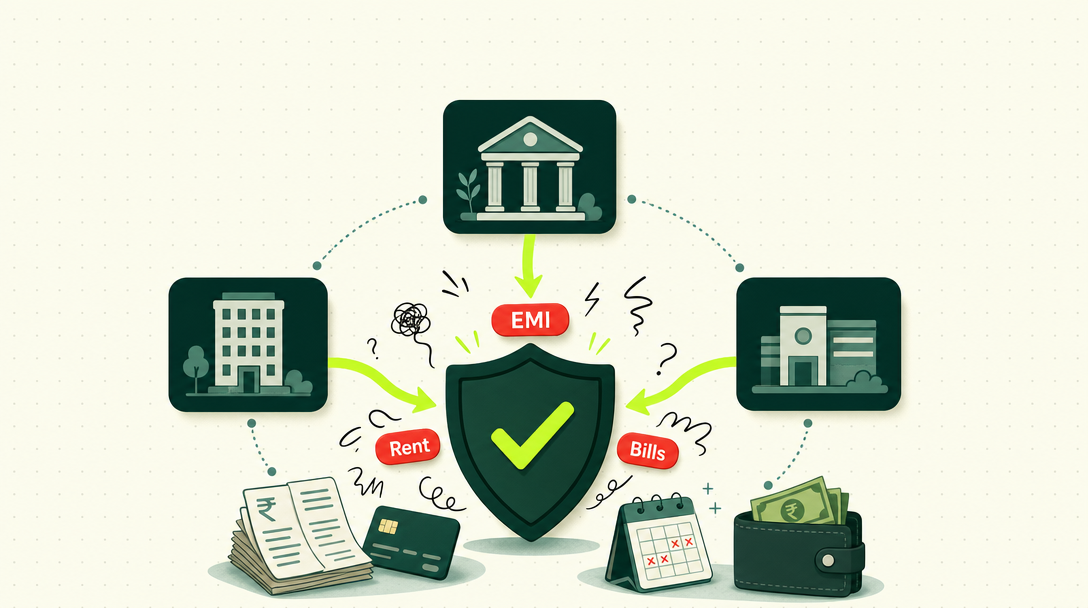
Finding a suitable loan takes more than comparing advertised interest rates. Look at the complete offer and understand what you’re agreeing to repay.
Compare APR Instead of Only the Interest Rate
The annual percentage rate (APR) gives a broader view of borrowing costs because it generally includes the interest rate and certain loan fees.
Comparing APRs can help you see which offer may be cheaper, although you should still review the full payment schedule.
Check Your Credit Score
Your credit history can influence the interest rate and loan terms a lender offers.
Before applying, review your credit reports for errors and understand where you currently stand financially. If your credit profile needs work, improving your payment history and paying down balances may help before you apply.
Understand the Repayment Period
Choose a repayment term that fits your monthly budget without needlessly raising the total interest cost.
A shorter term may mean higher monthly payments but could reduce the overall interest you pay. A longer term may give you more monthly breathing room but increase the total borrowing cost.
Read the Loan Agreement
Check whether the loan has a fixed or variable interest rate, whether early repayment charges apply and how late payments are handled.
Never rely only on advertisements or promotional messages. What matters is the actual loan agreement.
Check the Lender’s Reputation
Research the lender before sharing financial information or accepting an offer. Check its licensing where applicable, customer complaints, contact details and loan terms.
Be careful with companies that promise guaranteed approval or claim they can wipe out all your debt without repayment.
Debt Consolidation Loans for People with Bad Credit
Borrowers with lower credit scores may find it harder to qualify for affordable debt consolidation loans. Some lenders do offer loans to people with less-than-perfect credit, but the interest rates and fees may be higher.
Before accepting such an offer, compare it with what your existing debts cost you.
A loan with a high APR may not save you much. In some situations, sticking with your current repayment plan or speaking with a nonprofit credit counselor may be a better choice.
If you’re considering applying with bad credit, pay attention to:
Minimum credit score requirements.
Interest rates and APR.
Income and employment requirements.
Origination and late payment fees.
Loan repayment periods.
Whether the lender offers prequalification with a soft credit inquiry.
Avoid sending applications to several lenders without first comparing their requirements.
Debt Consolidation Loan vs. Other Debt Repayment Options
A consolidation loan is only one way to handle outstanding debt. Depending on your situation, other approaches may be worth exploring.
Debt repayment option | How it works | Best suited for |
|---|---|---|
Debt consolidation loan | Combines multiple debts into one loan | Borrowers who qualify for suitable loan terms |
Debt snowball method | Pays the smallest balance first | People who prefer small early wins |
Debt avalanche method | Focuses on the highest-interest debt first | People looking to reduce interest costs |
Balance transfer credit card | Moves eligible balances to another card, often with a promotional rate | Borrowers who can repay within the promotional period |
Credit counseling | Helps create a budget and repayment strategy | People who need guidance managing debt |
Each option has its own costs and conditions. For example, balance transfer cards may charge transfer fees, and promotional interest rates eventually expire.
Similarly, a nonprofit credit counselor may help you explore a debt management plan without taking out another loan.
Common Mistakes to Avoid When Consolidating Debt
⚠️ Common Debt Consolidation Mistakes to Avoid
💰 Check Total Loan Cost
Don't focus only on smaller monthly payments. A longer repayment period may increase the total interest you pay.
🛒 Avoid New Credit Card Debt
Paying off old balances is only helpful if you avoid unnecessary spending and building new credit card debt.
📋 Review Additional Charges
Check application fees, origination fees and other charges before accepting a consolidation loan.
🔍 Compare Multiple Offers
Don't accept the first available offer. Compare interest rates, repayment periods and loan conditions from different lenders.
🚨 Beware of Fake Promises
Avoid companies promising guaranteed debt elimination, instant savings or loan forgiveness in exchange for upfront fees.
📅 Never Miss Payments
Make monthly payments on time to avoid late fees and protect your credit history.
Is a Debt Consolidation Loan Right for You?
Debt consolidation may be worth considering if you have several high-interest debts, a stable income and access to a loan with suitable repayment terms.
It can simplify your monthly finances and potentially reduce borrowing costs. But it may not help if the new loan has a high interest rate, expensive fees or a repayment period that significantly raises your total cost.
Before deciding, prepare a simple comparison of your existing debts and the proposed loan (opens in a new tab). Work out how much you owe now, how much you’d repay after consolidation and whether the new monthly payment is realistic.
If you’re struggling to make even the minimum payments, consider speaking with a nonprofit credit counseling organisation. You can also contact your creditors directly to ask whether they offer hardship arrangements or more manageable payment options.
Final Thoughts
Debt consolidation loans can be useful for people who want to bring multiple debts into one manageable repayment plan. They may simplify monthly budgeting and reduce interest costs when the new loan offers better terms.
Still, consolidation doesn’t remove the responsibility of repaying borrowed money. Your decision should rest on your complete financial situation, not just an attractive interest rate or a smaller monthly payment.
Take time to compare lenders, understand the loan agreement and review alternative repayment methods. A realistic budget and consistent payment habits matter just as much as choosing the right loan.
The goal isn’t just to combine your debts. It’s to build a repayment plan you can comfortably maintain until the balance is fully paid off.