
Credit cards have become a regular part of everyday life. From buying groceries and paying electricity bills to booking hotel rooms and shopping online, they make payments quick and convenient. You do not need to carry cash everywhere, and most transactions take just a few seconds. But this convenience comes with risks. Credit card fraud, phishing attacks, fake shopping websites and digital payment scams are becoming serious worries for anyone who banks online. Many people only realise the danger after money has already left their account. A little awareness can save a lot of stress.
What makes these scams so worrying is that fraudsters do not always need your physical card. A simple phone call, a fake SMS or a convincing email is sometimes enough to trick someone into sharing confidential details. Even an ordinary online purchase can turn risky if you are careless about where you enter your card information. That is why understanding the tricks matters so much.
The best protection is to know how these scams work and build safer payment habits. This guide explains how to prevent credit card fraud and online scams in 2026, spot suspicious activity and protect your money.
Why Is Credit Card Fraud Increasing in 2026?
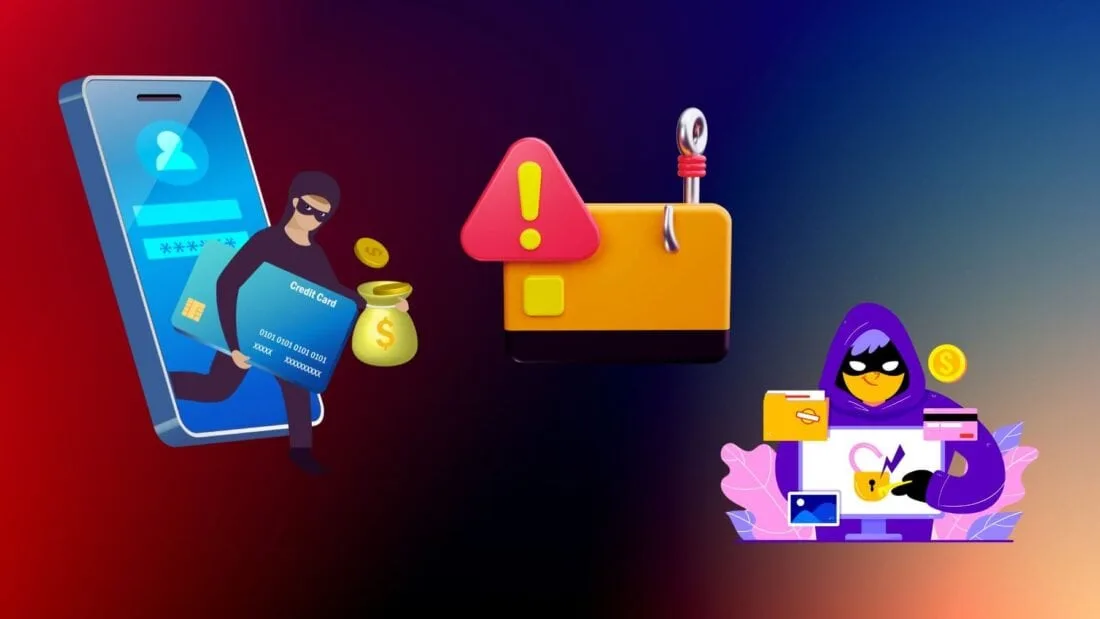
The growing popularity of online shopping, mobile banking and digital payments has opened up more opportunities for cybercriminals. People now use credit cards on shopping sites, travel platforms, food delivery apps and subscription services.
Every time you enter your card details on an unfamiliar platform, your information could be exposed. Weak passwords, unsecured devices and misleading payment pages only make things worse.
Artificial intelligence is another concern. Fraudsters can now create realistic messages, fake customer support chats and convincing impersonation attempts, so a message that once looked suspicious may now seem professionally written. You might receive an SMS saying your card will be blocked unless you complete a KYC update, with your bank’s name and a link to a site that looks genuine. Clicking it could take you to a fake page built to collect your banking details. Understanding these risks is the first step towards better card security.
1. Keep Your Credit Card Information Private
Your card number, CVV, expiry date, PIN and OTP are confidential. Sharing them with an unknown person puts your money at risk.
Scammers often pretend to be bank employees, insurance agents or customer support staff. They may offer reward points, cashback or card upgrades to convince people to hand over information. Imagine a call saying your reward points are expiring, with the caller asking for an OTP to transfer them to your account. The offer sounds attractive, but the real aim may be to approve a transaction you never intended.
Follow these precautions:
Never share your OTP, CVV or card PIN with anyone
Do not send photos of your card through messaging apps
Avoid sharing banking passwords over phone calls
Never approve a transaction you did not start
Do not reveal confidential information to unknown callers
A genuine bank representative does not need your OTP or PIN to provide routine support.
2. Shop Only Through Trusted Websites
Online shopping is convenient, but fake websites make it hard to tell genuine offers from scams. Some copy the look of popular platforms and show product images, customer reviews and attractive discounts to win your trust. After taking your payment, they may never deliver anything.
Before paying by card, check the website address carefully. Look for spelling mistakes, unusual domain names and missing business information. HTTPS encryption is useful, but it does not automatically make a site trustworthy, because fake sites can use it too.
Try to buy from established platforms or official brand websites. If an unfamiliar seller offers an expensive smartphone at an unbelievable price, research the seller before entering payment details. A few minutes of checking is far better than losing money to a flashy discount.
3. Enable Credit Card Transaction Notifications
Transaction alerts let you monitor your card without opening your banking app all day. Most banks send SMS, email or app notifications for every transaction, which helps you spot suspicious payments quickly.
Imagine getting a notification about a ₹3,000 online purchase you never made. You can contact your bank at once and ask for the card to be blocked. Make sure alerts are enabled for both online and offline purchases, and if your bank offers extra alerts for international payments, contactless transactions and ATM withdrawals, switch those on too.
Do not ignore small payments. Fraudsters sometimes test stolen card details with low-value transactions before going for larger ones.
4. Set Credit Card Spending Limits
Spending controls add another layer of protection. Many banks let customers adjust transaction limits to suit their needs. Someone who mainly uses a card for groceries and household items, for example, may not need a high international limit.
You can review these settings in your bank’s official mobile app:
Online shopping transaction limits
International payment permissions
Contactless payment limits
ATM withdrawal settings
Domestic transaction limits
If you do not make international payments regularly, consider keeping that facility disabled until you need it. These settings will not stop every kind of fraud, but they can reduce the damage if your card details are compromised.
5. Recognise Phishing Messages and Fake Emails
Phishing is a common scam in which criminals use fake emails, SMS messages or websites to steal personal and financial information. A message may claim your card is blocked, your KYC needs updating or your account needs immediate verification. It may also promise cashback or shopping vouchers.
The biggest warning sign is usually needless urgency. Scammers want you to react fast, before you check whether the message is real. Before clicking anything, look closely at the sender’s details and the message itself. Avoid opening unexpected attachments or entering banking information on sites you reached through unknown messages.
If you get a suspicious banking alert, open your bank’s official app directly. You can also call customer support using the number printed on your card.
6. Avoid Making Payments Through Public Wi-Fi
Public Wi-Fi is available at railway stations, airports, hotels and restaurants. It is useful when mobile data is not available, but an unknown network may not be secure enough.
Avoid opening your card account or entering payment details while connected to unfamiliar public Wi-Fi. If you are travelling and need to book a hotel room, your own mobile data is generally the better choice. Also avoid logging in to banking accounts on shared computers. Always log out after use, and never save passwords on public devices.
7. Protect Your Card Against Physical Skimming
Card fraud does not happen only online. Criminals can also use hidden devices to copy information from physical cards, a method known as skimming. They may install such devices on ATMs or payment terminals.
When you use an ATM, check whether the card slot looks unusual or has loose attachments. If something seems suspicious, choose another machine. At shops and restaurants, keep your card in sight while paying, cover the keypad when entering your PIN and avoid damaged or suspicious payment terminals. Chip-based and contactless payments at trusted terminals can also reduce some card-related risks.
8. Secure Your Smartphone and Banking Applications
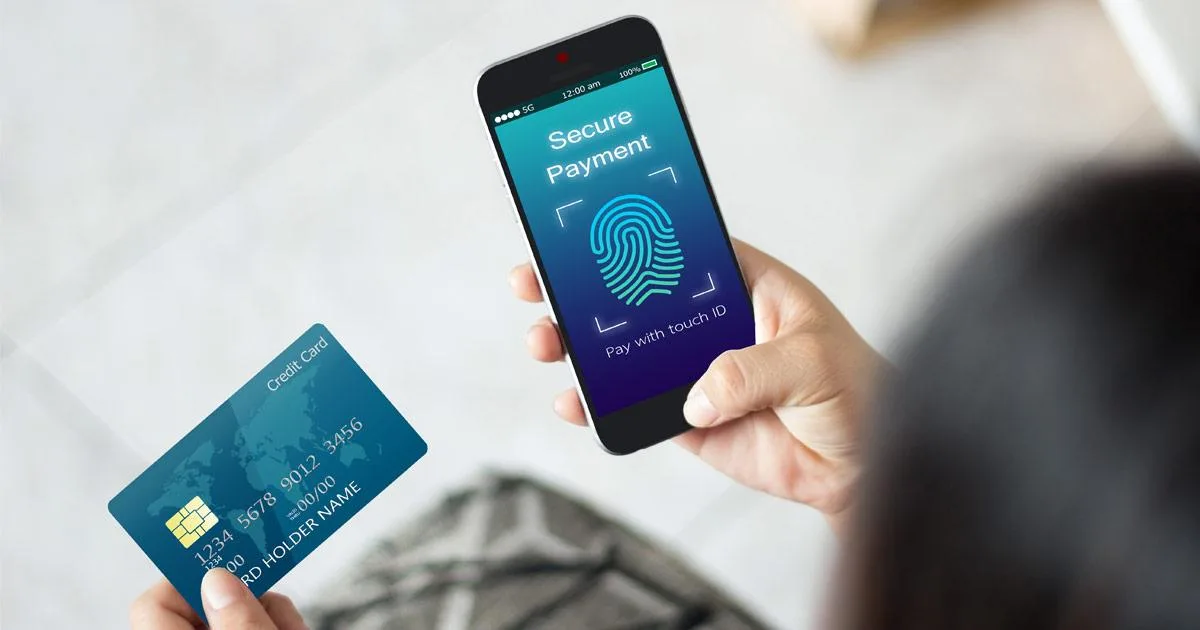
Your phone holds banking notifications, payment apps, emails and personal messages, so keeping it protected is a big part of preventing financial fraud. Always download banking apps from official app stores. Avoid installing unknown APK files or apps shared through WhatsApp and other messaging platforms.
Be especially careful if someone asks you to install a remote-access or screen-sharing app to fix a banking problem. Fraudsters can use these tools to watch your screen or interfere with your device.
For better phone security:
Use a strong screen-lock password
Enable fingerprint or face authentication
Install operating system updates regularly
Remove apps you no longer use
Avoid clicking unknown download links
Never share your screen during suspicious banking calls
A secure device makes it much harder for scammers to reach your financial information.
9. Review Credit Card Statements Every Month
Checking your statement should not be something you do only before paying the monthly bill. Make it a habit to review transactions regularly, looking for unfamiliar merchant names, duplicate payments, unexpected subscriptions and charges you cannot recognise.
You might spot a ₹149 charge from an online service you do not remember joining. It could be an old subscription, but it is worth checking before you assume everything is fine. If you find an unauthorised payment, contact your bank immediately and raise a dispute. (opens in a new tab)It is also wise to review your credit report from time to time, since unfamiliar enquiries or accounts may point to identity misuse.
10. What Should You Do After Credit Card Fraud?
Even careful people sometimes fall victim to scams. If you notice an unauthorised transaction, acting quickly can limit further damage. Here are the important steps.
Block your card immediately. Contact your bank through its official app or customer care number and ask it to block or freeze the compromised card.
Report the unauthorised transaction. Raise a formal complaint with your card issuer, give the amount, date and other details, and ask for a complaint reference number.
Change your banking passwords. If you suspect your bank account, email or phone has been compromised, update your passwords and secure your accounts.
Save important evidence. Keep transaction alerts, screenshots, suspicious messages and complaint details, since they may help during the bank’s investigation.
Report cyber financial fraud in India. If you have lost money to an online scam, call the 1930 cybercrime helpline as soon as possible. You can also file a complaint through the National Cyber Crime Reporting Portal.
The Reserve Bank of India (RBI) has set guidelines on customer liability for unauthorised electronic banking transactions. The protection you get depends on the circumstances of the fraud and how quickly you report it. Customer negligence, bank-related failures and third-party breaches may be treated differently.
Common Credit Card Scams to Watch Out for in 2026
Knowing the different types of scams helps you make safer financial decisions.
Scam Type | How It Works |
|---|---|
Phishing scams | Fake emails collect banking details and passwords |
Fake KYC messages | Fraudsters send links asking users to update personal information |
Reward point scams | Scammers promise cashback in exchange for OTPs |
Fake customer support | Criminals pretend to be bank representatives |
Online shopping fraud | Fake stores collect payments without delivering products |
Remote access scams | Fraudsters use screen-sharing apps to access devices |
Card skimming | Hidden devices copy information from physical cards |
Always verify unexpected payment requests through official banking channels instead of trusting messages or phone calls.
Final Thoughts
Credit card security is now an important part of managing money in a digital world. From online shopping and mobile banking to international payments, every transaction deserves a little attention.
You do not have to avoid digital payments to stay safe. Build simple habits instead, such as using trusted websites, keeping OTPs private, enabling transaction alerts and checking your monthly statements. If a payment request feels unusual, take a moment to verify it, and contact your bank right away if you notice suspicious activity.
Most importantly, never let an attractive offer or an urgent phone call pressure you into sharing confidential banking information. Staying alert and making informed decisions will help you enjoy the convenience of credit cards while keeping your finances safer in 2026.
Frequently Asked Questions
1. How can I prevent credit card fraud in 2026?
Use trusted websites, keep your OTP and CVV private, enable transaction alerts and check your statements regularly.
2. What should I do if I notice an unauthorised credit card transaction?
Contact your bank immediately, block your card and report the suspicious transaction.
3. Can scammers steal credit card details through fake websites?
Yes, fake websites can collect card numbers, CVVs and other personal information to commit financial fraud.
4. Is it safe to use a credit card on public Wi-Fi?
Avoid making banking transactions on unknown public Wi-Fi networks. Use mobile data for safer payments.
5. How can I report online credit card fraud in India?
Call the 1930 cybercrime helpline or report the incident through the National Cyber Crime Reporting Portal.