
Life is not just about working, paying bills and following the same routine every day. It is also about discovering new places, spending quality time with loved ones, enjoying small celebrations and making memories that stay with us. Whether it is a weekend getaway, a family dinner, a festive shopping trip or simply trying something new, these experiences bring variety and happiness to everyday life.
However, enjoying life does not always mean spending more money. With thoughtful planning and practical decisions, it is possible to travel comfortably, enjoy special occasions and explore new experiences without putting unnecessary pressure on your budget.
That is where the connection between life, travel and smart money management becomes important. A well-planned lifestyle helps people make better choices, balance their expenses and get more value from the money they already have.
In 2026, travellers and lifestyle enthusiasts have more ways than ever to plan experiences, compare prices, discover affordable destinations and organise everyday activities. (opens in a new tab)The key is knowing what matters most, setting realistic spending limits and choosing experiences that fit your interests.
What Does Life & Travel Mean?
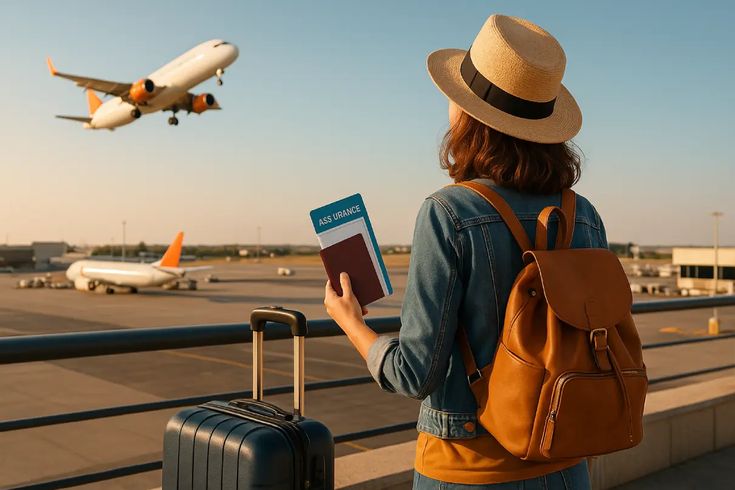
Life and travel cover a wide range of activities and decisions that shape how people spend their time outside work and everyday responsibilities.
The lifestyle side includes entertainment, celebrations, shopping, food, family activities, personal interests and everyday experiences. The travel side focuses on exploring destinations, planning holidays, finding accommodation, arranging transportation and discovering different cultures.
These areas often overlap. For example, a family holiday involves travel planning, shopping, food expenses, entertainment and budgeting. Similarly, attending a festival or visiting relatives may require transportation, accommodation and other everyday spending decisions.
A thoughtful approach helps people enjoy these experiences while keeping their financial priorities in mind.
Why Is Lifestyle and Travel Planning Important?
A little planning can make a noticeable difference to both your experience and your expenses. Without a clear plan, it is easy to spend more than expected on transportation, accommodation, food, shopping and last-minute arrangements.
Here are some reasons why planning matters.
1. It Helps Control Spending
Planning gives you a better understanding of how much money you can comfortably spend. Instead of making decisions at the last minute, you can compare prices, identify affordable options and avoid unnecessary purchases.
2. It Reduces Travel Stress
Booking transportation, checking accommodation details and preparing important documents in advance can make a trip easier. It also gives you more time to enjoy the destination instead of worrying about arrangements.
3. It Makes Experiences More Meaningful
When you understand your priorities, you can spend more time and money on activities that genuinely matter to you. A simple family picnic or a carefully planned weekend trip can sometimes create better memories than an expensive holiday.
4. It Supports Better Financial Habits
Lifestyle spending is part of everyday life, but it should not interfere with essential expenses, savings or debt repayments. Planning helps maintain a healthier balance.
Smart Ways to Plan an Affordable Trip in 2026
Travelling does not have to be expensive. The total cost of a holiday depends on several factors, including the destination, travel dates, accommodation, transportation and activities.
The following ideas can help you plan a trip that fits your budget.
Choose a Destination That Matches Your Budget
Start by deciding how much you can spend. Then explore destinations that fit within that amount.
You do not necessarily need to travel internationally to enjoy a memorable holiday. Nearby towns, nature destinations, historical places, beaches and national parks can offer enjoyable experiences without requiring a large travel budget.
Consider the following before selecting a destination:
Distance from your home
Transportation availability
Accommodation prices
Food and local travel expenses
Entrance fees and activity costs
Weather and seasonal conditions
Choosing a destination based on your budget rather than popularity can make the entire trip more manageable.
Travel During Less Busy Periods
Travel prices can change depending on the season, holidays and local events. Popular destinations may become more expensive during school vacations, public holidays and peak tourist periods.
If your schedule is flexible, compare different travel dates. Travelling during quieter periods may provide better accommodation choices and lower transportation costs.
However, always check the weather, local conditions and seasonal closures before booking.
Compare Transportation Options
Transportation can take up a significant part of a travel budget. Depending on the distance, compare flights, trains, buses and car travel.
Look beyond the advertised ticket price. Additional expenses such as baggage charges, parking, fuel, airport transfers and local transportation can affect the final cost.
Choose the option that offers a reasonable combination of price, convenience and travel time.
Find Accommodation That Offers Good Value
A comfortable place to stay does not always need to be expensive. Compare hotels, guesthouses, hostels, holiday rentals and other suitable accommodation options.
Before making a reservation, check:
Location and distance from attractions
Guest reviews and ratings
Cancellation conditions
Included meals and facilities
Taxes and additional charges
Safety and accessibility
A low room price may not represent the best value if the accommodation is far from the places you plan to visit.
Prepare a Daily Travel Budget
Divide your estimated spending into categories such as accommodation, food, transportation, sightseeing and shopping.
Keep a small reserve for unexpected expenses. This can help you manage situations such as delayed transportation, medical needs or last-minute changes.
You do not need to track every small expense perfectly. Even a simple daily spending limit can help prevent your holiday budget from getting out of control.
Everyday Money-Saving Tips for a Better Lifestyle
Smart spending is not limited to holidays. Small decisions made throughout the year can create more room in your budget for activities and experiences.
Plan Your Shopping Before You Buy
Shopping without a list can lead to unnecessary purchases. Before visiting a store or placing an online order, identify what you actually need.
Compare prices, check product quality and look for genuine discounts. Avoid purchasing something simply because it is advertised as a limited-time offer.
Make Use of Seasonal Discounts
Sales events and seasonal promotions can provide opportunities to save money on clothing, household products, travel accessories and gifts.
However, compare the final price rather than focusing only on the discount percentage. Check delivery charges, return policies and product specifications before completing a purchase.
Try Free and Low-Cost Activities
Some of the most enjoyable experiences do not require expensive tickets.
You could explore public parks, attend community events, visit free museums on selected days, organise a picnic or enjoy a walking tour. Local libraries, cultural centres and outdoor spaces may also offer affordable activities.
The best option depends on what is available in your area.
Reduce Food and Entertainment Expenses
Eating out and entertainment subscriptions can gradually increase monthly expenses. You do not need to eliminate them completely.
Instead, plan restaurant visits, prepare meals at home more often and review subscriptions you rarely use. Small adjustments can free up money for experiences you value more.
Avoid Impulse Purchases
Before buying something that is not essential, take a little time to consider whether you really need it.
Ask yourself whether the purchase fits your budget, whether you already own something similar and whether you would still want it after a few days.
This simple habit can help reduce unnecessary spending.
Making Holidays and Special Occasions More Affordable
Festivals, birthdays, family gatherings and seasonal celebrations are important parts of life. They bring people together and create opportunities to enjoy traditions.
But celebrations can also involve expenses for decorations, food, gifts, clothing and travel.
A practical plan can help you enjoy these occasions without overspending.
Set a Celebration Budget
Decide how much you can spend before making arrangements. Divide the amount between food, decorations, gifts, entertainment and transportation.
This gives you a clear limit and helps you make decisions when different expenses compete for your attention.
Choose Meaningful Decorations
You do not need to purchase completely new decorations every year. Reuse items in good condition, create simple DIY decorations or update existing pieces with small additions.
A little creativity can make a home feel festive without requiring a large shopping budget.
Plan Food and Guest Arrangements
Food is often one of the largest celebration expenses. Prepare a menu based on the number of guests and your available budget.
Choose dishes that can be prepared in advance and avoid buying more ingredients than necessary. If appropriate, family members can contribute different dishes to make the gathering easier to organise.
Give Thoughtful Gifts
A meaningful gift does not have to be expensive. Consider the recipient's interests and choose something useful, personal or memorable.
Handmade gifts, photographs, books and simple experiences can sometimes feel more special than costly items.
How to Make Travel More Enjoyable and Convenient

Saving money is important, but a good travel experience also depends on preparation, flexibility and personal comfort.
Research Your Destination
Before leaving, learn about the destination's local transportation, weather, popular attractions and cultural expectations.
Check whether certain attractions require advance reservations. Also review official travel advisories and entry requirements where relevant.
Pack According to Your Plans
Prepare a packing list based on the length of your trip and the activities you expect to enjoy.
Carry suitable clothing, comfortable footwear, necessary medicines, travel documents, chargers and other essentials. Packing thoughtfully can help prevent last-minute purchases.
Keep Important Documents Accessible
Keep copies of important identification, tickets, accommodation details and travel insurance information in a secure place.
For international trips, check passport validity, visa requirements and any additional entry conditions well before departure.
Stay Flexible
Even well-planned trips can involve unexpected changes. Weather conditions, transportation delays and attraction closures may affect your schedule.
Keep some flexibility in your itinerary and have an alternative activity in mind. This can make unexpected situations easier to manage.
Be Aware of Your Surroundings
Pay attention to local safety guidance, protect your belongings and use reliable transportation options. Avoid sharing sensitive travel information publicly while you are away.
For international travel, understand local laws and customs before visiting unfamiliar places.
The Role of Technology in Modern Travel and Lifestyle Planning
Technology has changed how people organise holidays, discover activities and manage everyday spending.
Online platforms and mobile applications can make planning faster, but users should still compare information carefully.
Some useful digital tools include:
Travel booking platforms: Help compare flights, accommodation and transportation options.
Navigation applications: Provide maps, routes and location information.
Budgeting tools: Help organise expenses and monitor spending.
Currency converters: Help international travellers understand exchange rates.
Weather applications: Provide forecasts to support travel preparation.
Event platforms: Help users discover local activities, festivals and entertainment.
Technology can simplify decision-making, but it should not replace careful research. Always review booking conditions, service fees, cancellation policies and the reliability of a platform before making a payment.
Common Lifestyle and Travel Budgeting Mistakes to Avoid
Even experienced travellers and careful shoppers can make financial mistakes. Being aware of common problems can help you avoid unnecessary expenses.
Ignoring Small Expenses
Snacks, local transportation, convenience purchases and service charges may appear insignificant individually. Together, they can increase your total spending.
Booking Without Checking the Full Price
A low advertised price may exclude taxes, baggage, cleaning charges or other fees. Review the complete amount before confirming a booking.
Depending Only on Credit Cards
Credit cards can be useful for eligible purchases and emergencies, but relying on borrowed money to fund a holiday can create repayment pressure.
Plan your spending around money you can reasonably afford and understand any interest, fees and repayment conditions.
Not Keeping Emergency Money
Unexpected expenses can occur during both everyday activities and travel. Keep an emergency reserve separate from your regular spending budget whenever possible.
Following Trends Without Considering Personal Needs
Popular destinations, expensive products and trending activities may not be suitable for everyone. Choose experiences based on your interests, priorities and financial situation.
How Life & Travel Can Support a More Balanced Lifestyle
A balanced lifestyle is not about spending as little as possible. It is about using your resources thoughtfully while making room for the things that bring value to your life.
For some people, that may mean taking an annual family holiday. For others, it could involve exploring nearby destinations, enjoying local food, attending community events or spending more time with friends.
The important thing is to understand your priorities.
You can begin with a few simple habits:
Set aside a realistic amount for leisure and travel.
Plan larger purchases and holidays in advance.
Compare prices before making important bookings.
Keep savings and essential expenses a priority.
Look for free or affordable local experiences.
Review your spending regularly and adjust when needed.
These habits can help create a lifestyle that feels enjoyable without becoming financially stressful.
Final Thoughts
Life becomes more rewarding when there is room for experiences beyond everyday responsibilities. Travel, celebrations, shopping, entertainment and time with family all contribute to the memories people create.
However, enjoying these experiences does not require spending beyond your means. With sensible budgeting, early planning and thoughtful choices, you can explore new places, celebrate special moments and enjoy everyday activities while keeping your financial goals on track.
The idea behind smart life and travel planning is simple: make room for experiences that matter, spend carefully and get the best possible value from your money.
Whether you are planning your next holiday, organising a celebration or looking for practical ways to save on everyday activities, a little preparation can make a meaningful difference.