

Applying for a personal loan has become more convenient in 2026, thanks to online banking services, digital applications, and faster verification processes. Whether you need money for a medical emergency, wedding expenses, home renovation, education, or an unexpected financial requirement, a personal loan can help you manage expenses without selling your savings or valuable assets.
However, getting a personal loan is not just about filling out an application form. Before borrowing money, it is important to understand the eligibility requirements, interest rates, documentation, repayment terms, and application process. Choosing the right lender and borrowing an amount that fits your budget can make a significant difference to your financial health.
This guide explains the personal loan application process step by step, helping first-time borrowers understand what to expect and how to apply with confidence.
What Is a Personal Loan?
A personal loan is an unsecured loan offered by banks and financial institutions. Unlike a home loan or car loan, it generally does not require you to provide property, gold, or another asset as security.
The lender approves the loan based on factors such as your income, credit history, repayment capacity, employment status, and existing financial commitments.
Once approved, the loan amount is usually transferred directly to your bank account. You can use the money for different personal expenses, depending on the lender's terms and conditions.
Some common reasons people apply for personal loans include:
Medical emergencies and healthcare expenses.
Wedding and family celebrations.
Home repairs and renovation.
Higher education and professional courses.
Travel and planned personal expenses.
Debt consolidation.
Unexpected household expenses.
Since personal loans are usually unsecured, their interest rates may be higher than those of secured loans.
Step-by-Step Personal Loan Application Process in 2026
Understanding the application process before submitting your details can help you avoid unnecessary delays and make better borrowing decisions.
1. Evaluate Your Financial Requirements
The first step is to understand why you need a personal loan and how much money is actually required. Avoid borrowing more than necessary because a higher loan amount can increase your monthly EMI and total interest cost.
Start by calculating your expected expenses. For example, if you need money for home renovation, prepare an estimated budget for materials, labour, and other charges.
Also, review your monthly income, household expenses, existing EMIs, and savings. This will help you decide whether taking a loan is financially manageable.
A personal loan should support your financial needs rather than create additional pressure.
2. Check Your Personal Loan Eligibility
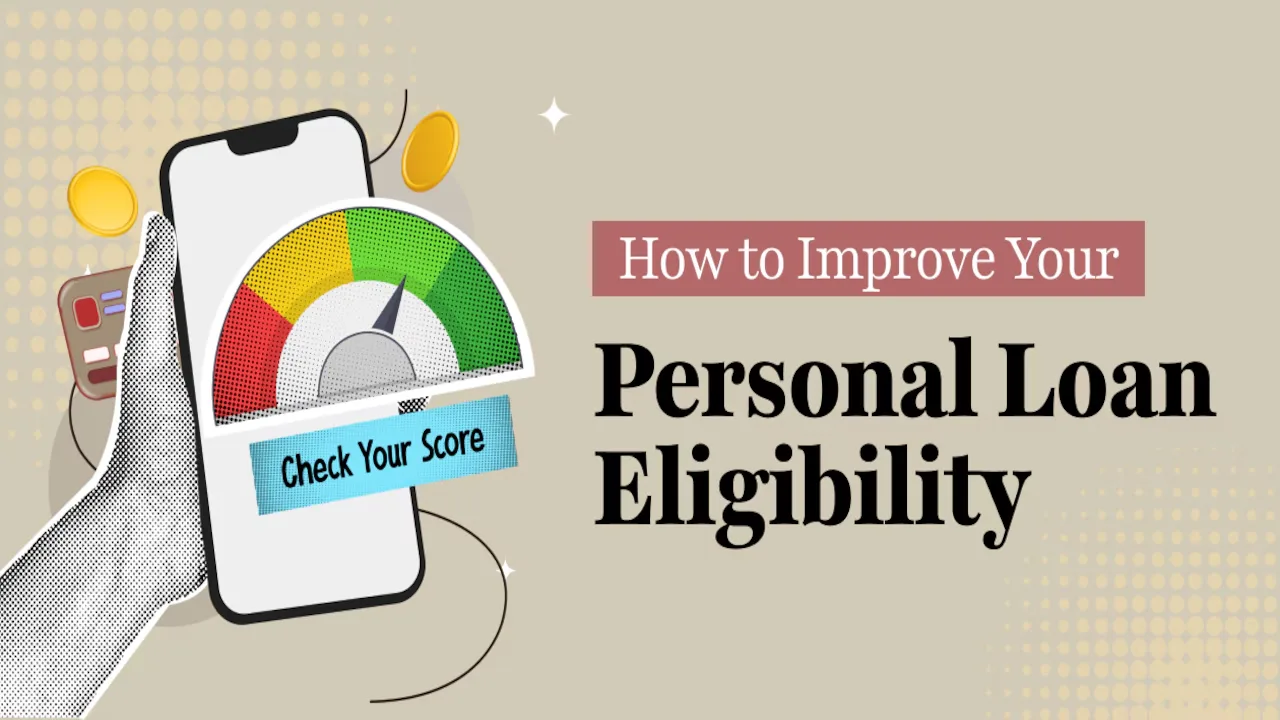
Before applying, check whether you meet the lender's eligibility requirements. Every bank and financial institution has its own approval criteria.
Generally, lenders consider the following factors:
Age: Applicants usually need to fall within the lender's specified age range.
Monthly Income: A stable income helps demonstrate your ability to repay the loan.
Employment Status: Salaried and self-employed individuals may have different eligibility requirements.
Credit Score: A good credit history can improve your chances of approval.
Existing Loans: Current EMIs and financial obligations affect your repayment capacity.
Employment Stability: Lenders may consider your work experience and job stability.
Eligibility requirements differ between lenders. Checking them in advance can save time and reduce the chances of rejection.
3. Compare Banks and Lending Options
Once you understand your eligibility, compare personal loan offers from different banks and financial institutions.
Do not select a loan simply because a lender advertises a low interest rate. The actual borrowing cost may include processing fees, documentation charges, late payment penalties, and other applicable costs.
Consider these important factors while comparing loan offers:
Loan Factor | What to Check |
|---|---|
Interest Rate | Compare the annual borrowing rate. |
Processing Fee | Check the fee charged for processing the application. |
Loan Amount | Confirm the minimum and maximum borrowing limits. |
Repayment Tenure | Compare available repayment periods. |
EMI Amount | Make sure monthly payments fit your budget. |
Prepayment Charges | Check whether early repayment involves additional fees. |
Late Payment Charges | Understand penalties for missed payments. |
Choose a loan that offers reasonable borrowing costs, suitable repayment terms, and clear conditions.
4. Check Your Credit Score and Credit History
Your credit score is an important factor in the personal loan approval process. It provides lenders with an idea of how responsibly you have managed previous credit obligations.
In India, credit scores are provided by credit information companies such as CIBIL, Experian, Equifax, and CRIF High Mark.
A strong credit score may improve your chances of receiving favourable loan terms, although approval is never guaranteed.
Before applying, review your credit report and check for:
Incorrect personal or loan information.
Outstanding payments.
Missed EMI records.
High credit card utilisation.
Accounts that do not belong to you.
If you find any errors, contact the relevant credit bureau or financial institution to request corrections.
Paying existing EMIs and credit card bills on time can help maintain a healthy credit profile.
5. Collect the Required Documents
After selecting a suitable lender, arrange the documents needed for your application. Having everything ready can make the verification process smoother.
The exact documentation depends on the lender and whether you are salaried or self-employed.
Commonly required documents include:
Document Type | Examples |
|---|---|
Identity Proof | PAN card, Aadhaar card, passport or voter ID |
Address Proof | Aadhaar card, passport or utility bill |
Income Proof | Salary slips or income statements |
Bank Statements | Recent bank statements |
Employment Proof | Employee ID or employment details |
Photographs | Recent passport-size photographs |
Self-Employed Documents | ITR, business registration or financial statements |
PAN details are commonly required for financial verification. Aadhaar may be used for identity verification where applicable and with the required consent.
Always check the lender's official website for its latest document requirements.
6. Complete the Personal Loan Application Form
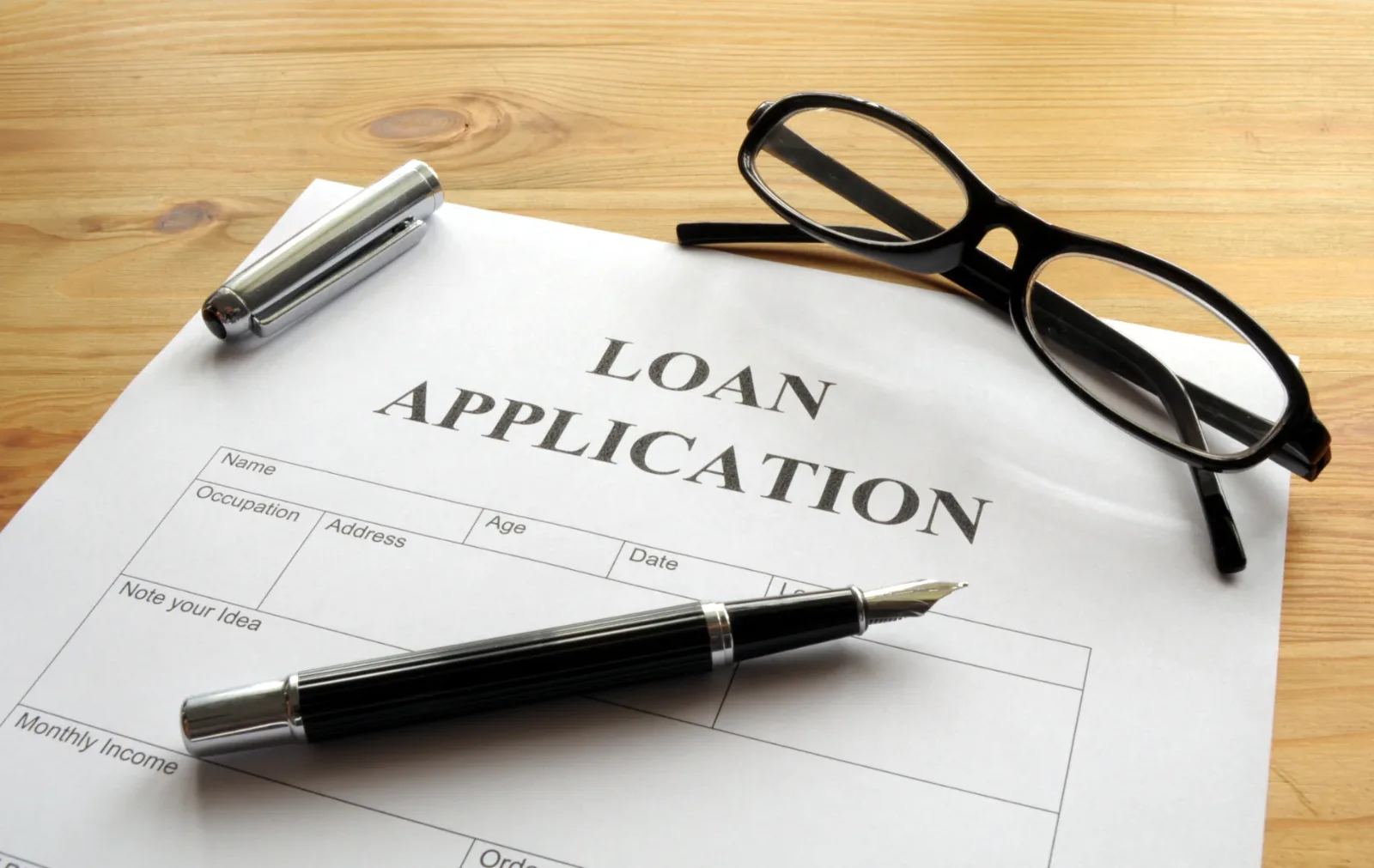
After preparing your documents, you can complete the application process through the lender's official website, mobile application, or physical branch.
Most online application forms ask for basic information, including:
Full name and contact details.
Date of birth.
Residential address.
Employment information.
Monthly income.
Required loan amount.
Preferred repayment tenure.
Existing financial commitments.
Enter all information carefully and make sure it matches your supporting documents.
Incorrect details, spelling mistakes, or incomplete information may delay the application. Before submitting the form, review every section and read the lender's consent and privacy terms.
7. Complete Identity and Income Verification
Once you submit your application, the lender begins the verification process.
This stage helps the financial institution confirm that your identity, income, employment details, and other information are accurate.
Depending on the lender, verification may include:
PAN and identity verification.
Address verification.
Income and bank statement checks.
Employment confirmation.
Credit bureau checks.
Digital KYC or other permitted verification methods.
Some lenders offer digital verification, while others may request additional documents or contact you for clarification.
Responding to genuine verification requests promptly can help prevent unnecessary delays.
8. Review the Loan Offer and Approval Details
If your application meets the lender's requirements, you may receive a loan offer. This offer generally includes the approved amount, interest rate, repayment tenure, EMI, processing charges, and other applicable conditions.
Do not accept the offer without reviewing the complete details.
Pay particular attention to the following:
Total interest payable during the loan period.
Monthly EMI amount.
Processing and other applicable fees.
Repayment schedule.
Late payment penalties.
Foreclosure and prepayment conditions.
Also, check whether the interest rate is fixed or floating, where applicable.
Remember that loan approval does not mean you must accept the offer. If the terms are unsuitable, compare alternatives before making a decision.
9. Sign the Loan Agreement
After accepting the loan offer, the lender will provide a loan agreement containing the terms and conditions.
Read the agreement carefully before signing it. It is a legally important document that explains your responsibilities as a borrower.
Check the loan amount, interest rate, repayment schedule, charges, default conditions, and other clauses.
If anything is unclear, ask the lender for an explanation. Avoid signing blank forms or agreements that contain information you have not reviewed.
Digital agreements may be completed through authorised electronic signing processes, depending on the lender.
10. Receive the Loan Amount
Once the agreement is completed and all required checks are successful, the lender processes the disbursement.
The approved loan amount is generally transferred to your registered bank account. The time required for disbursement varies depending on the lender, verification requirements, and application details.
After receiving the amount, check your bank statement and keep a copy of the loan agreement and repayment schedule.
Make sure you understand the EMI due date and repayment method so that you can plan your monthly budget accordingly.
Important Factors That Affect Personal Loan Approval
A lender does not approve every application automatically. Several financial and personal factors can influence the final decision.
Factor | Why It Matters |
|---|---|
Credit Score | Reflects your previous credit repayment behaviour. |
Monthly Income | Indicates your ability to manage repayments. |
Employment Stability | Helps assess income consistency. |
Existing EMIs | Shows your current financial obligations. |
Credit History | Provides information about previous borrowing. |
Loan Amount | Determines the repayment responsibility. |
Maintaining a good credit history, providing accurate documents, and selecting a reasonable loan amount can support a stronger application.
Tips to Get Your Personal Loan Application Approved
Although approval depends on the lender's assessment, a few responsible financial practices can improve your application.
Maintain a Healthy Credit Score: Pay credit card bills and existing loan EMIs on time. Avoid unnecessary credit applications.
Choose a Suitable Loan Amount: Apply for an amount that matches your income and repayment capacity.
Keep Your Documents Updated: Make sure your identity, address, and income documents contain accurate information.
Reduce Existing Debt: Managing outstanding loans and credit card balances can improve your overall financial position.
Avoid Multiple Applications: Applying to several lenders within a short period may lead to multiple credit enquiries.
Provide Correct Information: Never submit false income details or inaccurate employment information.
Compare Loan Offers: Review interest rates, processing charges, repayment tenure, and other conditions before accepting an offer.
Common Mistakes to Avoid When Applying for a Personal Loan

Many borrowers focus only on getting their applications approved and overlook the long-term financial responsibilities.
Here are some common mistakes worth avoiding:
Borrowing More Than Required: A larger loan can increase your EMI and total repayment cost.
Ignoring Additional Charges: Processing fees and other charges can increase the overall borrowing expense.
Skipping the Loan Agreement: Always understand the terms before signing.
Choosing a Long Tenure Without Comparing Costs: A longer tenure may reduce the EMI but can increase the total interest paid.
Missing EMI Payments: Late payments may result in penalties and affect your credit history.
Trusting Unverified Loan Agents: Use official lender websites and authorised communication channels.
Sharing Sensitive Information: Never share your OTP, PIN, CVV, or banking password with anyone.
Conclusion
The personal loan application process in 2026 is easier to navigate with online applications, digital documentation, and convenient verification options. However, a smooth borrowing experience starts with proper financial planning.
Before applying, evaluate your requirements, check your eligibility, compare lenders, review your credit score, and prepare the necessary documents. Once you receive a loan offer, carefully examine the interest rate, EMI, fees, and repayment conditions before signing the agreement.
Personal Loan FAQs
1. How can I apply for a personal loan?
You can apply online through a bank's official website or visit its branch.
2. What documents are required?
You generally need PAN, identity proof, address proof, income proof and bank statements.
3. Does credit score affect approval?
Yes, your credit score can influence loan approval and interest rates.
4. How long does loan approval take?
Approval time varies depending on the lender and document verification.
5. Can I repay my loan early?
Yes, subject to your lender's prepayment terms and applicable charges.