
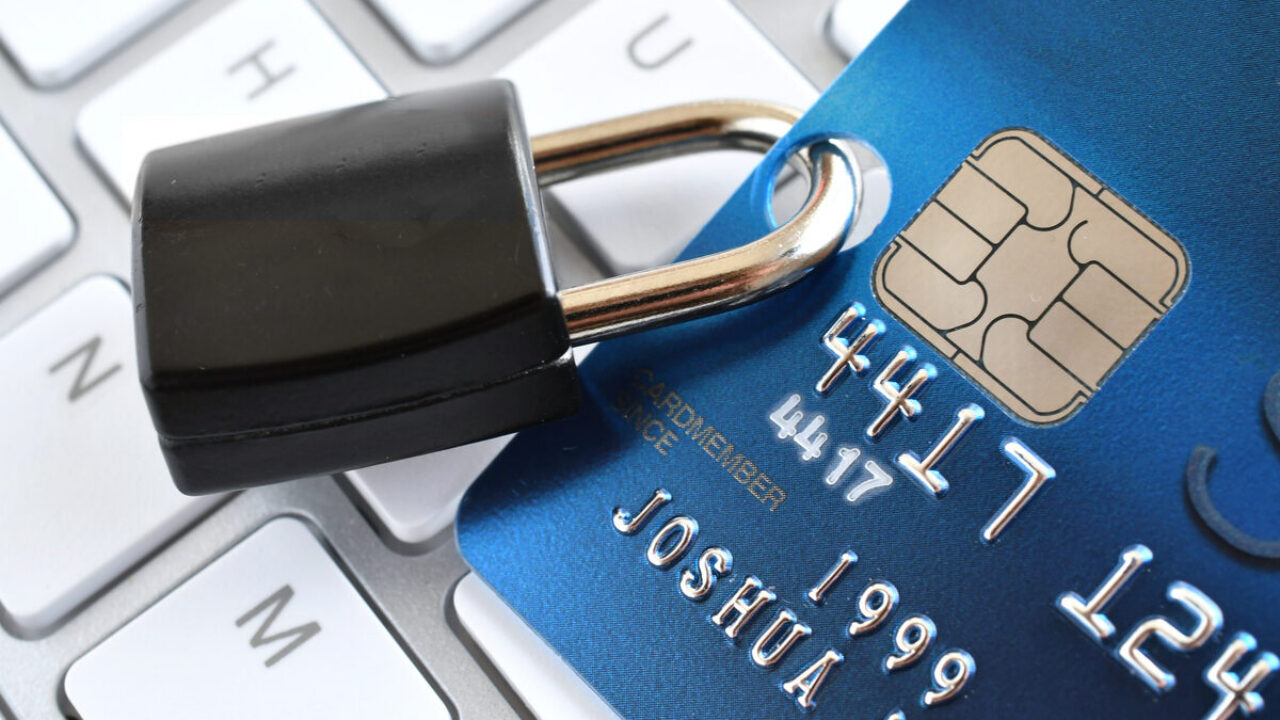
Credit cards make everyday payments easier, whether you are shopping online, booking travel tickets, paying bills, or purchasing products in stores. However, using a credit card also comes with security risks. Fraudsters may try to steal sensitive information and use it to make unauthorised transactions.
Three important details that every cardholder should protect are the CVV, PIN, and OTP. These security details help protect financial transactions, but sharing them carelessly can put your money and personal information at risk.
Understanding how these details work and following basic safety practices can help you use your credit card more confidently. Here are some practical ways to protect your CVV, PIN, and OTP in 2026.
1. Understand What CVV, PIN and OTP Mean
Before protecting your credit card information, it is important to understand the purpose of each security detail.
CVV (Card Verification Value): A three-digit security code generally printed on the back of a credit card. It is commonly required for online card transactions.
PIN (Personal Identification Number): A confidential number used to authenticate certain card transactions, particularly ATM withdrawals and payments at supported payment terminals.
OTP (One-Time Password): A temporary verification code sent to your registered mobile number or generated through an authorised authentication method to approve certain transactions.
These details serve different purposes, but all should be treated as confidential information.
2. Never Share Your CVV With Anyone
Your CVV is an important part of online credit card security. When making an online payment, you may be asked to enter your card number, expiry date, and CVV.
However, you should never share your CVV through phone calls, text messages, social media, or suspicious websites.
Fraudsters sometimes pretend to be bank employees, customer support representatives, or payment service providers to collect card information.
Follow these safety practices:
Never send your CVV through WhatsApp or email.
Avoid sharing card details with unknown callers.
Do not save card information on untrusted websites.
Use trusted payment platforms when shopping online.
Contact your bank if you notice suspicious card activity.
Remember that genuine bank representatives should not ask you to disclose your CVV over a phone call or message.
3. Keep Your Credit Card PIN Private

Your credit card PIN is another important security detail. It helps verify certain transactions and should remain known only to you.
Avoid using predictable PIN combinations such as your birth year, date of birth, or repeated numbers. These combinations may be easier for someone to guess.
Here are some useful precautions:
Choose a strong and difficult-to-guess PIN.
Never write your PIN on your credit card.
Cover the keypad while entering your PIN.
Avoid sharing your PIN with friends or family members.
Change your PIN if you suspect someone has discovered it.
Never enter your PIN on suspicious payment devices.
If you use an ATM or payment terminal, check the machine for anything unusual before entering your details.
4. Never Share Your OTP With Anyone
An OTP provides an additional layer of transaction verification. It is generally valid for a limited period and is intended for the person completing the transaction.
Fraudsters may contact cardholders pretending to be bank officials and create urgency by claiming that their credit card will be blocked or their account needs verification.
They may then request an OTP to complete an unauthorised transaction.
To avoid such situations:
Never disclose your OTP to another person.
Do not forward OTP messages to unknown numbers.
Avoid approving transactions you did not initiate.
Never enter an OTP on suspicious websites.
Read transaction details before entering the verification code.
If you receive an OTP without initiating a transaction, do not share it. Check your account and contact your bank through its official customer support channel if necessary.
5. Use Trusted Websites for Online Payments
Online shopping is convenient, but fake websites and payment pages can put your financial information at risk.
Before entering your credit card details, make sure the website belongs to the genuine business. Check the website address carefully and avoid clicking payment links received from unknown sources.
Consider these precautions:
Shop Safely
Use recognised websites and trusted applications.
Check Website
Verify the website address before making payments.
Avoid Suspicious Links
Never enter card details through unknown links.
Check HTTPS
Look for a secure HTTPS connection before paying.
Use Private Devices
Avoid payments on public or unfamiliar devices.
Review Payment
Check the final amount before confirming payment.
A secure connection alone does not guarantee that a website is genuine, so always verify the business before sharing payment information.
6. Avoid Credit Card Fraud Through Fake Calls and Messages
Scammers often use social engineering techniques to convince people to reveal confidential banking information. They may pretend to offer credit card upgrades, reward points, cashback, or account verification services.
Some fraudsters also create panic by claiming that suspicious activity has been detected on your card.
Be careful if someone:
Promises instant credit card limit increases.
Offers unexpected cashback or reward points.
Requests your CVV, PIN, or OTP.
Asks you to install an unknown application.
Sends suspicious links claiming to be from your bank.
Pressures you to complete a payment immediately.
Never trust a caller simply because they know your name, phone number, or partial card details. If you receive a suspicious call, disconnect and contact your bank using its official contact information.
7. Enable Credit Card Transaction Alerts
Transaction alerts help you monitor your credit card activity. Most banks provide SMS, email, or mobile application notifications for eligible card transactions.
These alerts can help you identify unfamiliar payments quickly.
To improve transaction monitoring:
Enable transaction notifications through your bank.
Check your account regularly.
Review payment amounts and merchant names.
Monitor both small and large transactions.
Report unfamiliar transactions immediately.
Even a small unauthorised payment should not be ignored. Reporting suspicious activity quickly can help your bank investigate the issue and take appropriate action.
8. What to Do If Your CVV, PIN or OTP Is Compromised
If you believe someone has accessed your credit card details, take immediate action instead of waiting for an unauthorised transaction.
Follow these steps:
Contact your bank: Use its official customer support number or banking application.
Block your card: Request immediate blocking if your card details may be compromised.
Change your PIN: Reset your PIN through an authorised banking channel if necessary.
Check recent transactions: Review your statement for unfamiliar payments.
Report suspicious activity: Raise a complaint with your bank as soon as possible.
Keep records: Save transaction messages, complaint references, and relevant communication.
In India, you can also report financial cyber fraud through the National Cyber Crime Reporting Portal or by calling the cybercrime helpline at 1930.
9. Common Credit Card Security Mistakes to Avoid

Sometimes, credit card fraud happens because users overlook simple security precautions. Avoiding these common mistakes can make everyday card usage safer.
Sharing OTPs with unknown callers.
Saving card details on suspicious websites.
Using weak or predictable PIN combinations.
Clicking unknown payment and reward links.
Ignoring transaction notifications.
Leaving your credit card unattended.
Using unsecured public networks for sensitive transactions.
Delaying the reporting of unauthorised payments.
Developing safe payment habits can reduce the chances of exposing your financial information.
Conclusion
Protecting your CVV, PIN, and OTP is an essential part of responsible credit card usage. Although banks use different security measures to protect cardholders, your own awareness also plays an important role in preventing fraud.
Never share confidential card details, verify payment websites, monitor transaction alerts, and contact your bank immediately if something appears suspicious.
1. What is CVV?
CVV is a security code on your credit card.
2. Should I share my OTP?
No, never share your OTP.
3. How can I protect my PIN?
Keep your PIN private and secure.
4. What if my card details are stolen?
Contact your bank and block your card.
5. Is online payment safe?
Yes, use trusted and secure websites.