
The Japanese stock market witnessed notable selling pressure in ROHM Co., Ltd. (TYO: 6963), a major manufacturer of electronic components and semiconductor products. The company's shares experienced a significant decline, attracting attention from investors following semiconductor stocks and Japan's technology sector.
According to the supplied market update, ROHM shares traded at ¥2,935.00, falling by ¥235.00 or 7.41%. The stock moved between ¥2,889.00 and ¥3,195.00 during the trading session, while reported trading volume reached 7,572,400 shares.
This movement highlights how quickly sentiment can change in the semiconductor industry. Investors regularly evaluate chip demand, manufacturing costs, global technology spending, financial results, and future business expectations when assessing semiconductor companies.
ROHM's share price movement is particularly relevant because the company operates in an industry connected to automotive electronics, industrial equipment, power management, and consumer technology.
Let's examine the stock's reported performance, its business operations, important financial indicators, and factors investors should monitor.
Market-data note: The figures below reproduce your supplied snapshot. Other market feeds retrieved for November 12, 2026, showed different intraday and closing figures, so prices and volume should be checked against the relevant exchange timestamp before publication.
1. ROHM Stock Price Performance
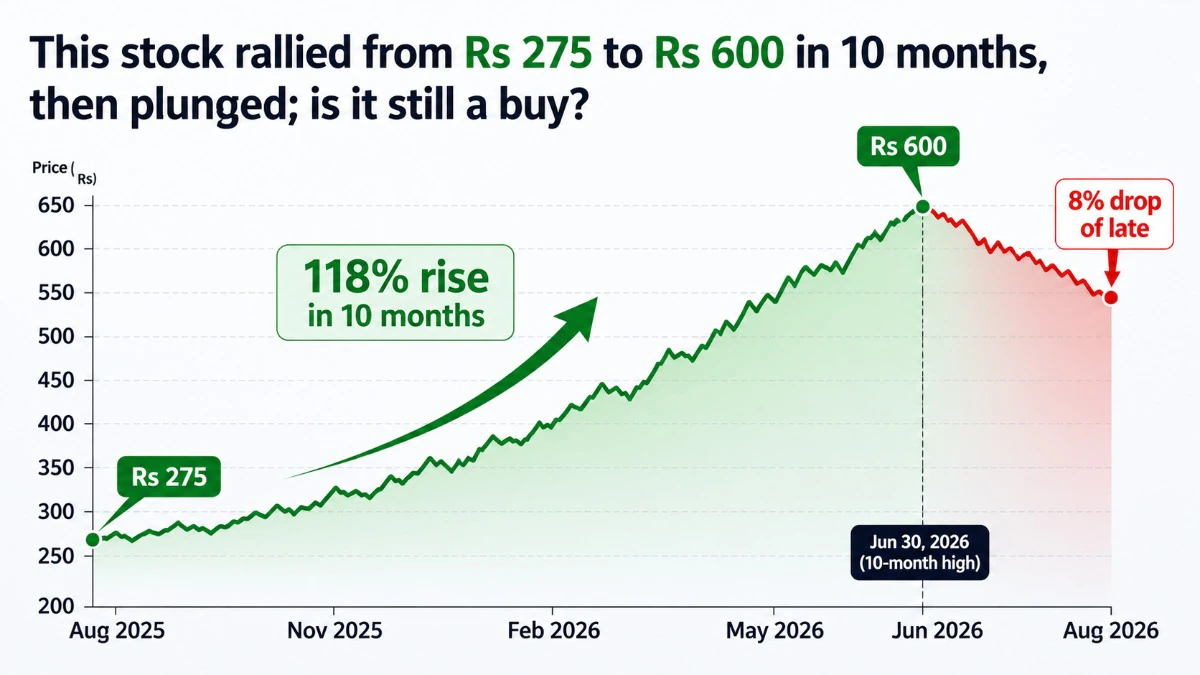
ROHM experienced a notable decline during the reported trading session, with its share price falling 7.41%. A movement of this size can attract attention from short-term traders as well as long-term investors.
The reported decline of ¥235 indicates considerable selling pressure compared with the previous reference price. The day's trading range also shows that the stock experienced price fluctuations between ¥2,889 and ¥3,195.
ROHM Stock Market Snapshot
Market Indicator | Reported Value | Market Movement | Importance |
|---|---|---|---|
Last Price | ¥2,935.00 | Lower | Current reported valuation |
Price Change | -¥235.00 | Negative | Daily price movement |
Percentage Change | -7.41% | Decline | Measures selling pressure |
Day's Range | ¥2,889–¥3,195 | Volatile | Shows intraday fluctuation |
Trading Volume | 7,572,400 | Active | Indicates trading participation |
The reported figures suggest that ROHM experienced a substantial one-day decline. However, a single trading session does not establish the company's long-term investment outlook.
2. Understanding ROHM's Semiconductor Business
ROHM is a Japanese electronics manufacturer headquartered in Kyoto. Established in 1958, the company initially focused on resistors before expanding into semiconductor and electronic component manufacturing.
Today, its business covers several important technology areas, including integrated circuits, discrete semiconductor devices, and electronic components.
Its products are used in industries where reliable electronic components and efficient power management are important.
Major Business Areas
Business Segment | Products | Industry Application | Business Importance |
|---|---|---|---|
Integrated Circuits | Power management ICs | Consumer and industrial electronics | Electronic control |
Discrete Semiconductors | MOSFETs and diodes | Automotive and power systems | Power efficiency |
Passive Components | Resistors and related components | Electronic devices | Circuit performance |
Power Devices | SiC and power semiconductor products | Electric vehicles and industrial systems | Energy efficiency |
ROHM's business exposure to automotive electronics, industrial equipment, and power semiconductors makes it an important company to follow within the global semiconductor industry.
3. Why Did ROHM Shares Decline?
A 7.41% decline can result from several market-related factors. However, the supplied price information alone does not establish the exact reason behind the fall.
Investors should consider the following possible influences when analysing the stock.
Semiconductor Industry Conditions
Semiconductor companies are affected by global chip demand, inventory levels, manufacturing capacity, and technology investment. Any uncertainty around demand can influence investor expectations.
Profitability and Earnings Expectations
Investors closely examine revenue, operating income, net profit, and future earnings guidance. Changes in profitability expectations can influence share valuations.
Global Technology Market Sentiment
Japanese semiconductor manufacturers are connected to international technology supply chains. Changes in demand for automotive electronics, industrial equipment, and consumer devices can influence the sector.
Investor Selling Activity
A sharp price decline accompanied by active trading can indicate increased selling participation. However, trading volume alone cannot confirm whether institutional investors or retail traders were responsible.
4. ROHM's Financial Performance: What Investors Should Know
Financial performance is an important factor when evaluating a company's stock beyond its daily price movement.
According to the financial information displayed by Google Finance for ROHM's fiscal second quarter of 2027, the company reported revenue of approximately ¥143.74 billion and net income of approximately ¥6.57 billion. The same data showed operating income of ¥7.85 billion.
Google Finance
Selected Financial Indicators
Financial Indicator | Reported Value | What It Measures | Why It Matters |
|---|---|---|---|
Quarterly Revenue | ¥143.74 billion | Business sales | Measures business activity |
Operating Income | ¥7.85 billion | Operating profitability | Shows operating performance |
Net Income | ¥6.57 billion | Profit after expenses and taxes | Measures overall profitability |
Net Profit Margin | 4.57% | Profit relative to revenue | Indicates profit efficiency |
These figures provide a starting point for understanding ROHM's financial position. Investors should compare multiple quarters to identify whether revenue and profitability are improving or weakening.
5. Important Factors That Could Influence ROHM Stock
ROHM's future share price may depend on business performance and developments across the global electronics industry.
The following factors deserve attention.
Factor | Potential Positive Influence | Potential Risk | Investor Focus |
|---|---|---|---|
Automotive Demand | Higher demand for electronic components | Slower vehicle production | Automotive sales |
Semiconductor Demand | Increased chip requirements | Excess inventory | Industry demand |
Electric Vehicles | Growing power semiconductor applications | Slower EV adoption | SiC technology |
Industrial Automation | Demand for electronic control systems | Reduced industrial investment | Manufacturing activity |
Currency Movements | Favourable exchange-rate effects | Unfavourable currency changes | Japanese yen |
Corporate Earnings | Improving profitability | Weak financial results | Quarterly reports |
Electric Vehicle and Power Semiconductor Demand
Electric vehicles require several electronic components for power conversion, battery management, and energy efficiency.
ROHM's involvement in power semiconductor technologies makes the automotive electronics market an important area to monitor.
Industrial and Automotive Electronics
Industrial automation and advanced vehicle systems require reliable electronic components. Changes in manufacturing activity and automotive production can influence demand for semiconductor products.
Global Semiconductor Competition
The semiconductor market is highly competitive. Companies must continue investing in technology, product development, and manufacturing capabilities to maintain their market positions.
6. What Should Investors Monitor After the Price Drop?
Following a sharp stock decline, investors should avoid making decisions based exclusively on the percentage movement.
Instead, several indicators can provide a more complete understanding of the company's market position.
Important pointers:
Trading volume: Compare current volume with the stock's average trading activity.
Quarterly earnings: Review revenue, operating income, and net profit.
Business guidance: Monitor management's expectations for future demand.
Sector performance: Compare ROHM with other Japanese semiconductor companies.
Automotive demand: Follow developments in electric vehicles and automotive electronics.
Valuation: Compare the share price with earnings, cash flow, and industry peers.
Market sentiment: Monitor broader Japanese equity market movements.
A decline can sometimes create opportunities for investors, but it can also indicate concerns about business performance or future expectations. Understanding the reason behind the movement is more important than reacting to the price alone.
7. ROHM Stock: Short-Term Trading vs Long-Term Investment
Different investors may interpret ROHM's share price decline differently.
Short-term traders generally focus on price movements, trading volume, market momentum, and technical indicators. Long-term investors usually examine financial performance, competitive advantages, industry demand, and business growth potential.
Comparison Factor | Short-Term Trading | Long-Term Investing | Key Consideration |
|---|---|---|---|
Main Focus | Daily price movements | Business fundamentals | Investment objective |
Holding Period | Days or weeks | Months or years | Time horizon |
Important Data | Volume and price trends | Earnings and cash flow | Research requirements |
Main Risk | Market volatility | Business and valuation risks | Risk management |
Neither approach guarantees returns. Investors should select a strategy according to their financial objectives and risk tolerance.
8. Future Outlook for ROHM
ROHM operates in semiconductor markets that are important to the development of automotive electronics, industrial automation, and energy-efficient technologies.
These industries may offer long-term business opportunities as electronic systems become increasingly important across different applications.
However, the company's future performance will also depend on manufacturing costs, product demand, competition, profitability, and global economic conditions.
Investors should pay particular attention to upcoming earnings announcements, management guidance, semiconductor industry trends, and automotive demand.
The recent share price decline highlights the importance of monitoring both market sentiment and underlying financial performance before reaching an investment decision.