
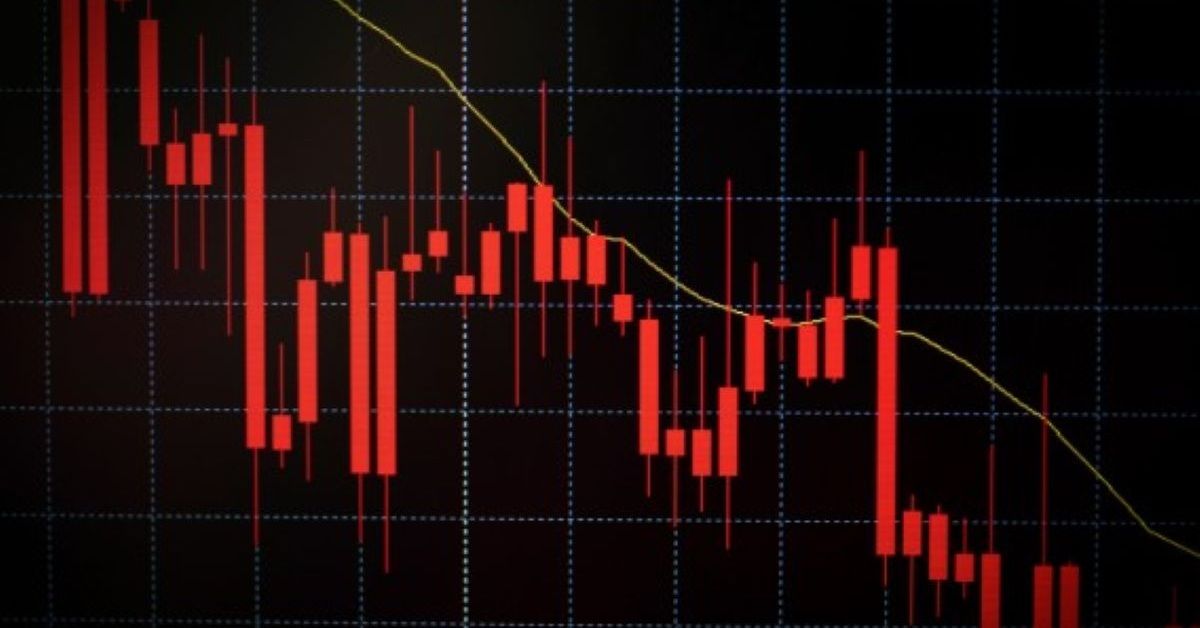
The stock market continues to be an important part of the global financial system. It gives individuals and businesses opportunities to invest, raise capital, and participate in economic growth. However, stock prices can change quickly due to economic conditions, company performance, government policies, international events, and investor sentiment.
In 2026, investors are paying close attention to several market developments, including artificial intelligence, digital transformation, renewable energy, banking, healthcare, and infrastructure. These sectors are creating new investment possibilities, but they also come with risks that should not be ignored.
For beginners, understanding stock market trends can make investing less confusing. Experienced investors can also benefit from reviewing market movements, analysing company fundamentals, and adjusting their investment strategies when conditions change.
Whether you are planning your first investment or looking to improve your existing portfolio, learning about stock market opportunities and risks can help you make more informed financial decisions.
1. Understanding the Stock Market in 2026
The stock market is a marketplace where investors buy and sell shares of publicly listed companies. When someone purchases a company's share, they become a partial owner of that business.
Companies use the stock market to raise funds for expansion, research, new projects, and business operations. Investors purchase shares with the expectation that the company's value may increase over time or that they may receive dividends.
Stock market performance is influenced by several factors:
Company Performance: Revenue, profits, business growth, and management decisions influence share prices.
Economic Conditions: Inflation, employment, economic growth, and interest rates affect investor confidence.
Government Policies: Tax changes, regulations, and economic announcements can influence different industries.
Global Events: International conflicts, trade developments, and economic changes can affect market movements.
Investor Sentiment: Positive or negative expectations can influence buying and selling activity.
Understanding these factors provides a useful foundation for following market trends in 2026.
2. Major Stock Market Trends to Watch in 2026
The stock market changes as industries develop and economic conditions evolve. Some sectors receive increased attention because of technological innovation, changing consumer needs, and long-term investment opportunities.
Important trends to watch include:
Artificial Intelligence and Technology
Artificial intelligence is influencing businesses across industries. Companies are using AI for automation, data analysis, customer service, cybersecurity, and software development.
This growing adoption has increased investor interest in technology companies involved in AI infrastructure, semiconductors, cloud computing, and enterprise software.
However, investors should examine company earnings, business models, competition, and valuations rather than purchasing shares simply because AI is popular.
Renewable Energy and Clean Technology
The transition towards cleaner energy continues to attract attention from governments, businesses, and investors.
Solar power, wind energy, battery storage, electric vehicles, and energy infrastructure are important areas within this sector.
Companies working in renewable energy may benefit from long-term demand, but their performance can depend on government policies, production costs, financing conditions, and technological developments.
Banking and Financial Services
Banks and financial institutions play an important role in economic activity. They provide loans, payment services, savings products, and financial solutions to individuals and businesses.
Investors often monitor banking companies by reviewing loan growth, deposit levels, asset quality, interest margins, and profitability.
Digital banking and financial technology are also changing how people access financial services.
Healthcare and Pharmaceuticals
Healthcare remains an important sector because demand for medical services, medicines, diagnostics, and healthcare technology continues across different economies.
Pharmaceutical companies, medical equipment manufacturers, hospitals, and biotechnology businesses may offer investment opportunities.
However, regulatory approvals, research expenses, competition, and product development risks can affect company performance.
Infrastructure and Construction
Infrastructure development can support economic growth by improving transportation, energy supply, housing, and industrial facilities.
Construction companies, engineering businesses, cement manufacturers, and infrastructure developers may benefit from increased project activity.
Investors should also consider project delays, borrowing costs, government spending, and company debt before evaluating this sector.
3. How Economic Conditions Affect the Stock Market
Economic conditions have a direct influence on stock market performance. Investors regularly monitor financial indicators to understand whether the economy is growing, slowing down, or facing uncertainty.
Some important economic factors include:
Inflation: Inflation increases the cost of goods and services. When prices rise quickly, consumers may reduce spending, and businesses may experience higher operating expenses. This can affect company profits and investor confidence.
Interest Rates: Central banks adjust interest rates to manage inflation and support economic stability. Higher interest rates can increase borrowing costs for businesses and consumers, while lower rates may encourage spending and investment.
GDP Growth: Gross Domestic Product (GDP) measures the overall economic output of a country. Strong economic growth can support business expansion, while slower growth may create challenges for companies.
Employment Levels: Employment trends influence consumer spending and economic activity. A stable job market can support demand for products and services.
Investors should follow these indicators because they can provide useful information about broader market conditions.
4. Opportunities for Stock Market Investors in 2026
The stock market offers different opportunities depending on an investor's financial goals, investment period, and risk tolerance.
Here are some areas investors may explore in 2026.
Long-Term Investment Opportunities
Long-term investing involves purchasing shares and holding them for an extended period. Investors generally focus on businesses with sustainable growth potential, strong financial performance, and competitive advantages.
Instead of reacting to every short-term price movement, long-term investors evaluate how a company may perform over several years.
Emerging Industry Opportunities
New industries and developing technologies can create opportunities for investors. Artificial intelligence, renewable energy, electric mobility, digital infrastructure, and healthcare technology are examples of areas attracting attention.
However, emerging industries can also experience high volatility. Not every growing industry will produce successful companies, so individual businesses should be researched carefully.
Dividend-Paying Stocks
Some established companies distribute a portion of their profits to shareholders through dividends.
Dividend-paying stocks may appeal to investors looking for potential income alongside long-term investment growth. Before investing, it is important to review dividend history, payout ratios, cash flow, and the company's financial stability.
Diversified Investment Portfolios
Diversification means spreading investments across different companies, industries, and asset classes.
For example, an investor may hold shares from banking, healthcare, technology, and consumer goods companies instead of putting all their money into one industry.
Diversification can reduce the impact of poor performance in a single investment, although it cannot completely eliminate market risk.
5. Major Risks of Investing in the Stock Market
Stock market investments can provide growth opportunities, but returns are never guaranteed. Investors may lose money if share prices decline or companies perform poorly.
Understanding the major risks is an important part of responsible investing.
01. Market Volatility
Share prices can rise or fall quickly due to economic news, global events, and changing investor expectations.
02. Company-Specific Risk
Poor management, declining sales, excessive debt, or business failures can reduce a company's share value.
03. Inflation Risk
High inflation can increase business expenses, reduce consumer purchasing power, and affect investment returns.
04. Interest Rate Risk
Interest rate changes can affect company borrowing costs and the attractiveness of different investments.
05. Liquidity Risk
Some shares have low trading volumes, making it difficult to sell them quickly at a preferred price.
06. Global Economic Risk
International conflicts, trade restrictions, and financial instability can affect stock markets worldwide.
Investors should understand these risks before committing their money. A carefully planned investment approach is generally more useful than making decisions based on excitement or fear.
6. Common Stock Market Mistakes Investors Should Avoid
Many investment mistakes happen because people make decisions without proper research or financial planning.
Avoiding common mistakes can help investors develop better habits.
Investing Without Research: Purchasing shares simply because someone recommends them can lead to poor decisions. Always understand the company's business, financial performance, and risks.
Following Market Rumours: Unverified tips on social media and messaging platforms can encourage unnecessary buying or selling. Rely on credible information and official company disclosures.
Putting All Money Into One Stock: Concentrating an entire investment in one company increases exposure to company-specific risks.
Panic Selling: Selling investments immediately during every market decline can turn temporary price movements into actual losses. Review the reason behind the decline before making a decision.
Ignoring Investment Costs: Brokerage charges, transaction fees, taxes, and other applicable expenses can affect overall returns.
Expecting Guaranteed Profits: No stock market investment guarantees profits. Unrealistic expectations can encourage unnecessary risks.
Developing a research-based approach and maintaining realistic expectations can help investors avoid many common mistakes.
7. Fundamental and Technical Analysis: Understanding the Difference
Investors use different methods to evaluate stocks before making investment decisions. Two commonly used approaches are fundamental analysis and technical analysis.
Fundamental Analysis | Technical Analysis |
|---|---|
Studies company financial health | Studies price movements |
Reviews revenue and profits | Reviews charts and patterns |
Examines company management | Uses trading indicators |
Evaluates business performance | Studies market trends |
Often used for long-term research | Often used for timing decisions |
Fundamental analysis helps investors understand whether a company's financial condition and business prospects justify its share price.
Technical analysis focuses on historical price movements, trading volume, support levels, resistance levels, and chart patterns.
Both approaches have limitations. Investors should avoid depending on a single indicator or method when evaluating a stock.
8. How Beginners Can Start Investing in the Stock Market
Starting in the stock market does not require advanced financial knowledge, but beginners should understand the basic process before investing.
Here are some practical steps:
Set Financial Goals: Decide whether you are investing for long-term wealth creation, retirement, or another financial objective.
Understand Your Risk Tolerance: Consider how much financial loss you could reasonably manage.
Learn the Basics: Understand shares, stock exchanges, market orders, dividends, and investment risks.
Choose a Regulated Broker: In India, check that your broker is registered with SEBI and provides access to recognised stock exchanges.
Open a Demat and Trading Account: These accounts allow eligible investors to hold and trade securities in the Indian market.
Research Companies: Review financial statements, business models, management, and industry conditions.
Start With a Planned Amount: Avoid investing money needed for essential expenses or emergency savings.
Monitor Your Portfolio: Review investments periodically and make changes based on financial goals and updated information.
Beginners should take time to understand the market rather than rushing into investments because of trending stocks or short-term price movements.
9. The Role of Technology in Stock Market Investing
Technology has made stock market participation more accessible. Investors can now research companies, monitor share prices, read financial reports, and place orders through digital platforms.
Several technological developments are changing the investment experience.
Mobile Trading Applications: Allow investors to monitor portfolios and place trades through smartphones.
AI-Based Research Tools: Help analyse large amounts of financial information and identify patterns.
Real-Time Market Data: Provides updates about stock prices, trading volumes, and market movements.
Digital Financial Education: Online courses and educational resources help beginners understand investment concepts.
Automated Investment Tools: Certain platforms offer features that help investors organise and manage their portfolios.
Although technology can make investing easier, it does not guarantee accurate predictions or profitable decisions. Investors should verify information and understand the limitations of automated tools.
10. Smart Strategies for Managing Stock Market Risk
Managing risk is an essential part of investing. Rather than focusing only on potential profits, investors should also consider how much they could lose.
Some useful risk management practices include:
Diversify Investments: Avoid depending entirely on one company or industry.
Invest According to Your Goals: Choose investments that match your financial objectives and investment timeline.
Maintain Emergency Savings: Keep sufficient money aside for unexpected expenses instead of depending on stock investments.
Review Company Fundamentals: Check financial performance and business developments regularly.
Avoid Excessive Borrowing: Using borrowed money for stock market speculation can increase financial pressure.
Think Long Term: Avoid making frequent decisions based only on daily market movements.
Understand Tax Rules: Learn about applicable capital gains taxes and transaction charges.
These practices cannot prevent every investment loss, but they can help create a more disciplined approach.
11. What Investors Should Watch in the Stock Market
Investors should pay attention to market developments that may influence company performance and overall economic conditions.
Some important areas to monitor in 2026 include:
Quarterly Earnings Reports: Review company revenue, profits, expenses, and future business expectations.
Central Bank Announcements: Interest rate decisions can influence borrowing costs and market sentiment.
Government Policies: New regulations, tax changes, and infrastructure spending may affect specific industries.
International Markets: Developments in major economies can influence global investor confidence.
Corporate Developments: Mergers, acquisitions, product launches, and leadership changes can affect individual companies.
Market Valuations: Compare share prices with company earnings and financial performance to understand whether valuations appear reasonable.
Following reliable financial news and official announcements can help investors stay informed without reacting to every market update.
12. The Future of Stock Market Investing Beyond 2026
The future of stock market investing will likely be influenced by technological innovation, changing economic conditions, and the development of new industries.
Artificial intelligence may continue to transform business operations and financial research. Renewable energy and electric mobility may attract attention as countries develop cleaner energy infrastructure. Healthcare innovation, digital payments, and cybersecurity may also remain important areas of business development.
At the same time, investors will need to consider changing regulations, global economic uncertainty, inflation, and market valuations.
Financial education will become increasingly important as more individuals participate in digital investment platforms. Understanding how markets work, researching companies, and managing risk will remain essential skills.
The most effective investment approach will depend on individual financial circumstances rather than following every new market trend.
Conclusion
The stock market in 2026 offers several areas of opportunity, including artificial intelligence, technology, renewable energy, banking, healthcare, and infrastructure. These industries may benefit from changing consumer needs, innovation, and economic development.
However, investment opportunities always come with risks. Market volatility, inflation, interest rate changes, company performance, and global events can influence investment outcomes.
Investors should focus on research, diversification, realistic financial goals, and disciplined decision-making. Beginners should take time to understand the basics before investing, while experienced investors should continue reviewing their portfolios and market conditions.
1. What are stock market trends?
They show how stock prices and investor behaviour change over time.
2. What affects stock prices?
Company performance, economic news, demand, and global events affect prices.
3. Is stock market investing risky?
Yes, stock prices can fluctuate and investments may lose value.
4. How can investors reduce risks?
Diversification, research, and long-term planning can help manage risks.
5. Which sectors may grow in 2026?
Technology, healthcare, renewable energy, and infrastructure may offer opportunities.