
The way people invest is changing. Traditionally, investors focused mainly on financial indicators such as company profits, market performance, revenue growth, and potential returns. Today, many investors are also looking at how businesses affect the environment, treat their employees, manage resources, and maintain ethical leadership.
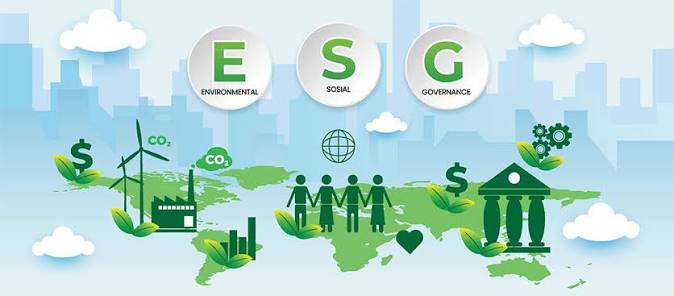
This shift has brought sustainable finance into the spotlight. It connects financial decisions with environmental, social, and governance (ESG) considerations. At the same time, investors are exploring alternative assets such as renewable energy projects, sustainable infrastructure, private equity, and real estate to access opportunities beyond traditional stocks and bonds.
Sustainable finance is not simply about supporting environmentally friendly businesses. It also involves understanding long-term risks, identifying emerging opportunities, and evaluating how companies respond to changing economic, environmental, and social conditions.
What Is Sustainable Finance?

Sustainable finance refers to financial activities that consider environmental, social, and governance factors when making investment and business decisions. It encourages investors and financial institutions to consider how sustainability-related issues can influence financial performance and long-term economic stability.
For example, a company investing in energy-efficient technology may reduce operating expenses over time. A business with transparent management practices may be better positioned to maintain investor confidence. Similarly, organisations that provide safe working conditions and fair treatment to employees may strengthen their reputation and workforce stability.
According to the Organisation for Economic Co-operation and Development (OECD), sustainable finance integrates ESG information into the decision-making processes of companies and financial institutions.
The idea is to connect financial growth with responsible business practices while recognising that sustainability risks can also become financial risks.
Understanding the Three Pillars of ESG Investing
ESG investing is one of the most recognised approaches within sustainable finance. It evaluates companies using three major factors: environmental, social, and governance performance.
ESG Pillar | What It Evaluates | Key Examples | Why It Matters |
|---|---|---|---|
Environmental | A company's impact on nature | Carbon emissions, energy use, waste management | Helps identify climate and resource-related risks |
Social | How a company treats people | Employee welfare, diversity, customer safety | Supports responsible workplace and business practices |
Governance | How a company is managed | Board independence, transparency, ethics | Encourages accountability and stronger oversight |
Environmental Factors
Environmental considerations examine how businesses use natural resources and manage their impact on the planet. Investors may review carbon emissions, water consumption, pollution, waste disposal, and energy efficiency.
For example, a manufacturing company that adopts renewable energy and improves its production processes may reduce its exposure to certain energy costs and environmental regulations. Renewable energy developers, electric mobility businesses, and companies working on clean technologies may also attract attention from investors interested in sustainability-related opportunities.
However, an environmentally focused business is not automatically a profitable investment. Investors must still examine its financial position, business model, competition, and valuation.
Social Factors
Social factors focus on a company's relationships with employees, customers, suppliers, and communities. These include workplace safety, fair wages, human rights, customer privacy, and equal opportunities.
A company that invests in employee development and maintains safe working conditions may build a stronger workforce. On the other hand, poor labour practices, discrimination, or customer-related controversies can damage reputation and create legal or financial challenges.
Social performance is therefore an important part of understanding a company's overall business quality.
Governance Factors
Governance evaluates how effectively a company is managed and supervised. It includes leadership accountability, shareholder rights, financial transparency, business ethics, and board independence.
Strong governance can help reduce the risk of fraud, conflicts of interest, and poor decision-making. Investors often examine company disclosures, leadership structures, audit practices, and executive compensation before assessing governance quality.
How ESG Investing Works
ESG investing involves considering relevant sustainability information alongside traditional financial analysis. It does not necessarily mean avoiding every company with environmental or social challenges. Instead, investors assess which issues are financially important and how they could influence future performance.
The Principles for Responsible Investment (PRI), CFA Institute, and Global Sustainable Investment Alliance identify several approaches to responsible investment.
ESG Approach | Meaning | Example | Main Objective |
|---|---|---|---|
ESG Integration | Including material ESG factors in investment analysis | Reviewing a company's emissions exposure | Improve risk assessment |
Negative Screening | Excluding selected industries or activities | Avoiding businesses involved in controversial activities | Apply investment restrictions |
Thematic Investing | Investing around sustainability-related themes | Clean energy or sustainable agriculture funds | Access long-term themes |
Impact Investing | Seeking measurable social or environmental outcomes alongside financial returns | Funding affordable housing projects | Generate financial and measurable impact |
These approaches can be used separately or together, depending on the investor's objectives and investment strategy.
Why Sustainable Finance Is Becoming Important
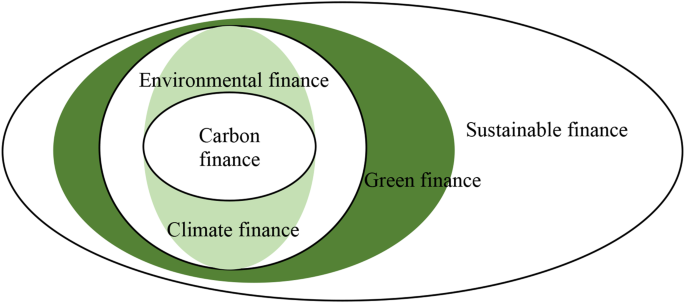
Sustainable finance is gaining attention because environmental, social, and governance issues can influence business performance, economic stability, and investment risk.
1. Managing Long-Term Risks
Climate change, resource shortages, regulatory changes, and supply-chain disruptions can affect company operations. ESG analysis helps investors identify relevant risks that traditional financial statements may not fully explain.
2. Identifying Emerging Opportunities
The transition towards cleaner energy, sustainable transportation, water management, and energy-efficient buildings is creating new business opportunities. Investors may explore companies and projects working in these areas.
3. Improving Corporate Accountability
Investors can encourage companies to improve transparency, disclose relevant information, and strengthen governance practices through voting and engagement.
4. Supporting Long-Term Investment Decisions
Sustainability-related information can help investors understand how businesses may respond to changing market conditions, regulations, and consumer expectations.
5. Connecting Capital With Real-World Needs
Sustainable finance can help direct investment towards infrastructure, renewable energy, healthcare, education, and other areas that support economic and social development.
What Are Alternative Assets?
Alternative assets are investments that fall outside traditional categories such as publicly traded stocks, government bonds, and conventional cash products. They may include private equity, private credit, real estate, infrastructure, commodities, and certain other specialised investments.
These assets are attracting interest because they offer exposure to different markets and investment structures. Some also provide opportunities to finance projects connected with sustainability.
However, alternative assets are not automatically sustainable. Their environmental and social impact depends on the underlying project, asset, management practices, and investment structure.
Types of Alternative Assets in Sustainable Finance
Alternative Asset | Description | Sustainability Connection | Key Risk |
|---|---|---|---|
Renewable Energy Projects | Investments in solar, wind, and other clean energy facilities | Supports cleaner energy generation | Project and technology risks |
Sustainable Real Estate | Buildings designed for energy and resource efficiency | Can reduce energy and water consumption | Property market fluctuations |
Infrastructure | Investments in transport, water, and energy systems | Can improve essential services and resilience | Long project timelines |
Private Equity | Investment in privately owned businesses | May support companies improving sustainable operations | Limited liquidity and valuation uncertainty |
Renewable Energy Investments
Renewable energy projects are among the most visible opportunities associated with sustainable finance. Solar parks, wind farms, battery storage systems, and other clean energy technologies require significant capital to develop and operate.
Investors may participate through specialised funds, infrastructure investment vehicles, or private market opportunities. These investments can support the expansion of energy capacity while offering exposure to the growing renewable energy sector.
Nevertheless, project economics depend on factors such as construction costs, electricity prices, government policies, technology performance, and financing conditions.
Sustainable Real Estate
Real estate is another area where sustainability and investment decisions intersect. Energy-efficient buildings, improved insulation, water-saving systems, and responsible construction materials can help reduce operating costs and environmental impact.
Investors may evaluate green buildings through property funds, real estate investment trusts (REITs), or private real estate opportunities. However, they should examine actual building performance rather than relying only on sustainability labels or marketing claims.
Infrastructure Investments
Infrastructure projects such as public transportation, water treatment facilities, electricity networks, and efficient logistics systems can support long-term economic development.
Sustainable infrastructure investment may help improve access to essential services and strengthen resilience against environmental challenges. The World Bank Group highlights the importance of private-sector participation and financing partnerships in developing sustainable infrastructure.
These investments often involve long development periods, regulatory requirements, and substantial capital commitments.
Private Equity and Private Credit
Private equity involves investing in companies that are not publicly listed, while private credit generally involves lending directly to businesses outside traditional public debt markets.
These investment structures may provide capital to businesses developing clean technologies, improving resource efficiency, or expanding sustainable products and services.
However, private market investments can be difficult to value and may involve limited access to funds, complex agreements, and higher investment risks.
ESG Investing vs. Traditional Investing
Both ESG and traditional investing aim to evaluate financial opportunities, but they may differ in the information considered during the investment process.
Comparison Factor | Traditional Investing | ESG Investing | Investor Consideration |
|---|---|---|---|
Main Focus | Financial performance | Financial and material ESG factors | Understand the investment objective |
Risk Analysis | Market, credit, and business risks | Includes relevant sustainability risks | Assess a wider range of risks |
Company Evaluation | Revenue, profits, and valuation | Financial results plus ESG information | Review multiple performance indicators |
Investment Objective | Financial returns | Financial returns with ESG considerations or defined sustainability objectives | Check the strategy and fund mandate |
ESG investing does not guarantee higher returns or lower risk. Its usefulness depends on the quality of information, the investment approach, and how effectively relevant factors are incorporated into decisions.
Benefits of Combining ESG Investing With Alternative Assets
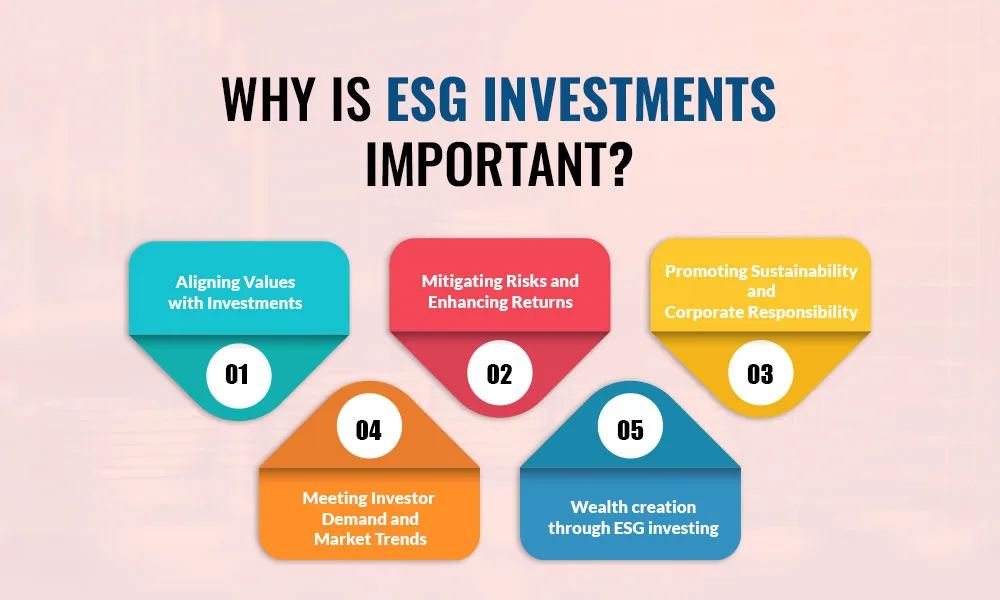
Combining ESG analysis with alternative assets can create opportunities to examine investments from a broader perspective.
Portfolio Diversification: Alternative assets may provide exposure to different sectors and markets. However, diversification does not eliminate investment risk, and some alternative investments may move in similar ways during market stress.
Exposure to Long-Term Themes: Renewable energy, sustainable infrastructure, and resource efficiency are areas where investors may find opportunities connected with structural economic changes.
Potential for Measurable Outcomes: Certain impact investments aim to track specific outcomes, such as clean energy capacity, affordable housing units, or access to essential services.
Active Ownership Opportunities: Private market investors may have opportunities to engage directly with businesses and encourage improvements in sustainability practices.
Access to Different Investment Structures: Funds, infrastructure vehicles, private market products, and other investment structures can provide different ways to access sustainability-related opportunities.
Risks and Challenges Investors Should Understand
Despite its potential, sustainable finance has several challenges. Investors should look beyond labels and promotional claims before committing money.
Risk | What It Means | Possible Impact | What Investors Can Check |
|---|---|---|---|
Greenwashing | Misleading or exaggerated sustainability claims | Investment decisions based on inaccurate information | Evidence, disclosures, and actual outcomes |
Data Inconsistency | Different ESG providers may use different methods | Difficulties comparing companies | Data sources and rating methodology |
Liquidity Risk | Some assets cannot be sold quickly | Difficulty accessing invested money | Lock-in periods and exit conditions |
Valuation Risk | Private assets may not have frequent market prices | Uncertainty about actual investment value | Valuation methods and independent reviews |
Greenwashing and Misleading Claims
Greenwashing occurs when a company or financial product presents an exaggerated or misleading impression of its environmental or sustainability performance.
For example, a fund may use terms such as green, responsible, or sustainable in its marketing without clearly explaining its investment criteria or measurable outcomes.
Investors should review the fund's holdings, investment methodology, disclosures, and sustainability objectives instead of relying only on its name.
Limited Liquidity
Some alternative investments have long lock-in periods or limited opportunities to withdraw money. Unlike publicly traded shares, private equity and infrastructure investments may not be easy to sell whenever an investor needs cash.
Uncertain Valuations
Private market assets may not have daily market prices. Their valuations can depend on models, assumptions, independent assessments, and periodic reporting. This makes it important to understand how an investment is valued.
How Investors Can Evaluate Sustainable Investment Opportunities
Investors can follow a structured process before selecting an ESG-focused fund or alternative asset.
Define the Investment Goal: Decide whether the priority is financial growth, portfolio diversification, sustainability outcomes, or a combination of objectives.
Understand the ESG Strategy: Check whether the fund uses screening, ESG integration, thematic investing, or impact investing.
Review Financial Performance: Examine fees, historical performance, risk levels, investment horizon, and the underlying business model.
Check Sustainability Disclosures: Look for measurable indicators, reporting methods, and evidence supporting sustainability claims.
Understand Liquidity and Exit Conditions: Review withdrawal rules, lock-in periods, redemption terms, and potential exit costs.
Assess the Management Team: Evaluate the experience, transparency, governance, and investment process of the fund manager or project operator.
Compare Alternatives: Do not select an investment based only on its ESG rating. Compare its costs, risks, objectives, and underlying assets with other available options.
The Future of Sustainable Finance
Sustainable finance is likely to remain an important part of investment discussions as businesses, governments, and financial institutions respond to environmental and social challenges.
Better sustainability disclosures, improved ESG data, and clearer product standards can help investors make more informed decisions. At the same time, investment opportunities in clean energy, sustainable infrastructure, and resource-efficient technologies may continue to attract capital.
Alternative assets may also play a role in financing projects that require long-term investment. However, their success will depend on sound project economics, effective governance, transparent reporting, and appropriate risk management.
Ultimately, sustainable finance is not about choosing investments simply because they appear environmentally friendly. It is about understanding how financial performance, sustainability risks, and measurable outcomes connect with one another.