
Introduction: Not Every Investment Is a Good Investment
The stock market offers tremendous opportunities to build wealth, but it also comes with risks that can quickly destroy your capital if you’re not careful. Many investors focus only on where to invest, but knowing where not to invest is just as important. In fact, avoiding bad investments is often the difference between long-term success and repeated losses.
New investors especially tend to fall into common traps driven by emotions, lack of research, or the desire for quick profits. This blog will guide you through the key areas you should avoid in the stock market and help you make smarter, more informed decisions.
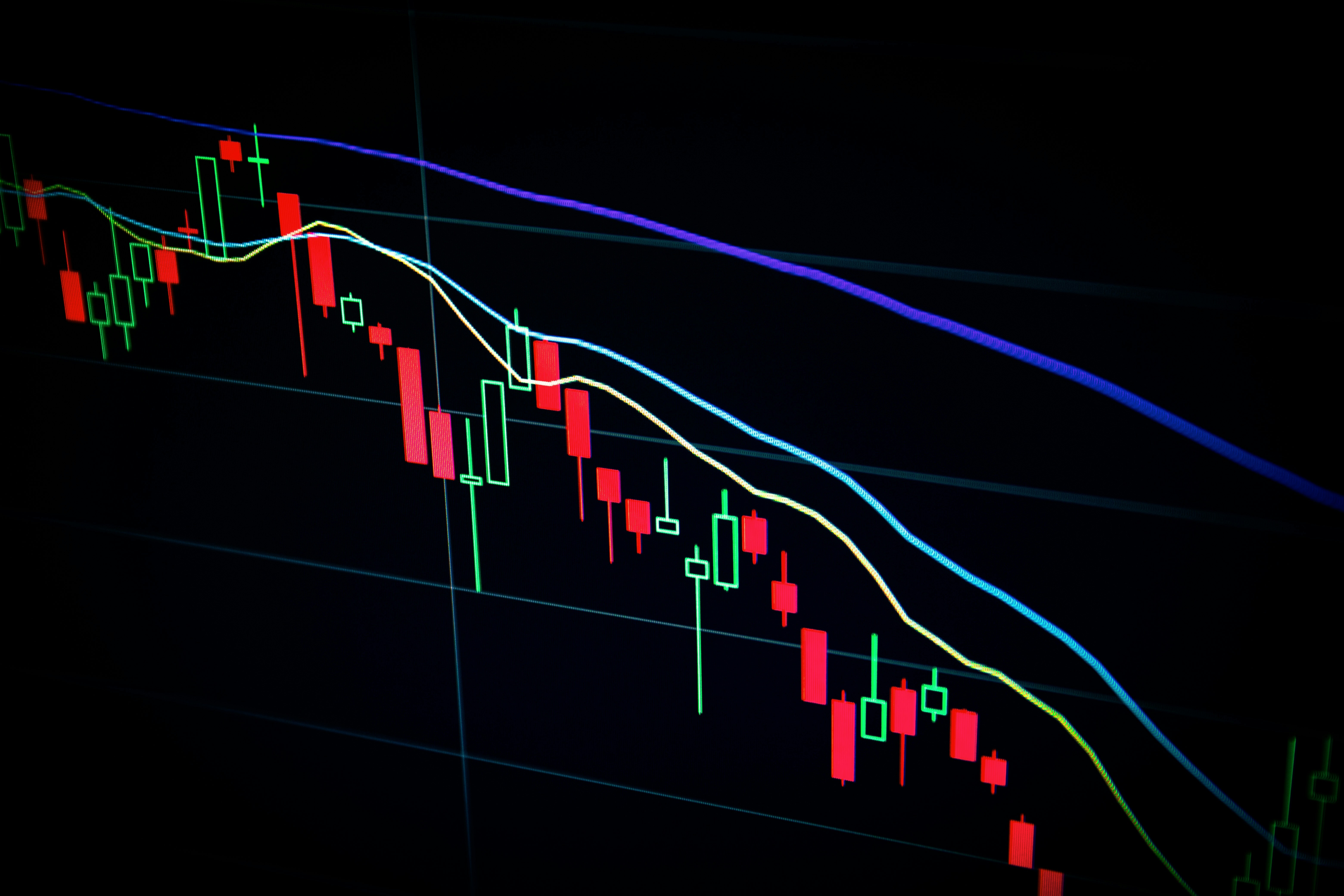
⚠️ High Risk Stocks
Avoid unstable and volatile companies
📉 Weak Financials
Stay away from loss-making businesses
🚫 Market Hype
Don’t follow trends blindly
1. Avoid Investing in Companies You Don’t Understand
One of the biggest mistakes investors make is putting money into businesses they don’t fully understand. Just because a company is popular or trending doesn’t mean it’s a good investment.
If you cannot clearly explain how a company makes money, what its business model is, and what risks it faces, you shouldn’t invest in it. Lack of understanding often leads to panic selling during market volatility.
For example, many people invest in complex tech or biotech companies without knowing their fundamentals. When the stock price drops, they exit at a loss simply because they never had conviction in the first place.
Rule: If it’s confusing, stay away.
2. Stay Away from “Get Rich Quick” Stocks
Stocks that promise quick and massive returns are often the most dangerous. These are typically penny stocks, speculative companies, or hyped-up stocks circulating on social media.
While a few investors may make money in the short term, most end up losing because these stocks are highly volatile and often manipulated. They lack strong financials, stable earnings, and long-term growth potential.
If an investment sounds too good to be true, it usually is. Sustainable wealth is built slowly, not overnight.
3. Avoid Companies with Weak Financials
A company’s financial health is one of the most critical factors in deciding whether to invest. Businesses with declining revenues, rising debt, and consistent losses are risky investments.
Many investors ignore financial statements and invest based on brand name or popularity. This is a mistake. Even well-known companies can struggle financially and deliver poor returns.
Key red flags to watch out for include:
- High debt levels
- Negative cash flow
- Declining profits
- Poor return on equity
Investing in financially weak companies is like building a house on a weak foundation—it won’t last long.

Penny Stocks
Highly volatile stocks with low liquidity that can lead to sudden and heavy losses.
Avoid
Loss-Making Companies
Businesses with declining profits, high debt, and unstable financial performance.
Risky

Overhyped Stocks
Stocks driven by trends or hype rather than strong fundamentals.
Be Careful
4. Don’t Invest Based on Tips and Rumors
Relying on stock tips from friends, social media, or unknown “experts” is one of the fastest ways to lose money. These tips are often based on speculation rather than solid research.
By the time you hear about a “hot stock,” it may already be overvalued. Early investors might exit, leaving latecomers with losses.
Successful investors rely on data, research, and analysis—not rumors. Blindly following others can lead to poor decisions and financial losses.
5. Avoid Overhyped IPOs
Initial Public Offerings (IPOs) often generate a lot of excitement, but not all IPOs are worth investing in. Many companies go public during peak hype to attract investors, even if their fundamentals are weak.
Inexperienced investors rush to buy IPOs expecting quick listing gains, but many stocks fall sharply after listing. Without a proven track record, IPO investments can be risky.
It’s better to wait, observe the company’s performance post-listing, and then decide whether it’s worth investing in.
6. Stay Away from Highly Debt-Ridden Companies
Debt is not always bad, but excessive debt can be dangerous. Companies with high debt struggle during economic downturns because they must continue paying interest regardless of profits.
If earnings decline, such companies may face financial distress or even bankruptcy. Investors in these companies often suffer significant losses.
Before investing, always check the company’s debt-to-equity ratio and its ability to manage debt efficiently.
7. Avoid Investing Without Diversification
Putting all your money into a single stock or sector is a risky strategy. Even if the investment seems strong, unexpected events can cause losses.
Diversification helps spread risk across different industries and companies. Investors who fail to diversify are more vulnerable to market fluctuations.
For example, investing only in one sector like technology or energy can be risky if that sector faces a downturn.
A balanced portfolio reduces risk and improves long-term stability.
8. Don’t Invest Based on Emotions
Emotions like fear and greed are among the biggest enemies of investors. Many people buy stocks when prices are high due to excitement and sell when prices drop due to fear.
This behavior leads to buying high and selling low—the exact opposite of what successful investing requires.
Emotional investing often results in poor timing and unnecessary losses. Instead, decisions should be based on logic, research, and long-term goals.
9. Avoid Timing the Market Perfectly
Trying to predict market highs and lows is extremely difficult, even for experienced investors. Many people wait for the “perfect time” to invest and end up missing opportunities.
Others try to frequently buy and sell based on short-term movements, which increases risk and transaction costs.
Instead of timing the market, focus on time in the market. Consistent investing over the long term generally yields better results.
10. Stay Away from Fraudulent or Unregulated Investments
Some stocks and schemes in the market are outright scams. These may involve fake companies, manipulated financial data, or illegal operations.
Such investments may appear attractive initially but can lead to complete loss of capital.
Always verify whether a company is properly regulated and listed on recognized exchanges. Avoid investments that lack transparency or credible information.
11. Avoid Ignoring Valuation
Even a good company can be a bad investment if bought at the wrong price. Overvalued stocks often deliver poor returns because expectations are already too high.
Investors who ignore valuation metrics like price-to-earnings (P/E) ratio or price-to-book ratio risk overpaying for stocks.