

Credit cards have become a popular financial tool for managing everyday expenses, shopping online, booking travel, and handling unexpected purchases. They offer convenience and flexibility, allowing users to make payments without carrying cash. However, using a credit card without proper planning can lead to unnecessary expenses, high-interest charges, and financial difficulties.
In 2026, managing credit card spending wisely is more important than ever. With digital payments and online shopping becoming part of everyday life, it is easy to spend more than originally planned. Developing healthy spending habits can help users enjoy credit card benefits while keeping their finances under control.
Whether you are a first-time cardholder or already have multiple credit cards, understanding how to use them responsibly can make a significant difference. This guide covers practical credit card tips, payment strategies, budgeting methods, and common mistakes to avoid.
1. Understand How Your Credit Card Works
Before using a credit card regularly, it is important to understand how it works. A credit card allows you to borrow money from the card issuer up to an approved credit limit. You can use this amount for purchases and repay the outstanding balance according to your billing cycle.
Every credit card has important details, including a credit limit, billing date, payment due date, interest rate, and applicable charges.
The billing cycle is the period during which your purchases are recorded. At the end of this period, the card issuer generates a statement showing your outstanding balance and the payment deadline.
Understanding these details helps you plan purchases and avoid unexpected interest or late payment charges.
2. Create a Monthly Credit Card Budget
One of the best ways to manage credit card spending is to create a monthly budget. Before making purchases, decide how much you can comfortably spend based on your regular income and essential expenses.
For example, if you have monthly expenses for groceries, transportation, electricity, and online subscriptions, include these costs in your budget before deciding how much to spend through your credit card.
Avoid treating your credit limit as additional income. Just because your bank allows you to spend a certain amount does not mean you should use the entire limit.
A realistic budget helps you maintain control over your spending and ensures that you can repay your credit card bill without affecting your savings.
3. Always Pay Your Credit Card Bill on Time
Paying your credit card bill before the due date is one of the most important financial habits. Late payments may result in additional charges and negatively affect your credit history.
Whenever possible, pay the full statement balance instead of only the minimum amount due. Paying only the minimum can leave a significant outstanding balance on which interest may accumulate.
Setting up payment reminders or automatic payments can help you avoid missing deadlines. You should also check your bank account balance before the payment date to ensure sufficient funds are available.
Regular and timely payments can help build a positive credit history over time.
4. Avoid Using Your Entire Credit Limit
Using your full credit limit regularly can create financial pressure and may affect your credit profile.
Credit utilisation refers to the percentage of your available credit limit that you are currently using. For example, if your credit limit is ₹1,00,000 and your outstanding balance is ₹30,000, your utilisation ratio is 30%.
Keeping credit utilisation relatively low is generally considered a healthy credit management practice. Many financial experts suggest staying below 30%, although this is not a universal approval requirement or a guarantee of a particular credit score.
The important thing is to spend only what you can repay comfortably.
5. Choose a Credit Card That Matches Your Lifestyle
Different credit cards offer different benefits. Some focus on cashback, while others provide travel rewards, shopping discounts, fuel benefits, or dining offers.
Choosing a card that matches your regular spending habits can help you get more value from its features.
For example, someone who frequently shops online may prefer a card with shopping rewards. A person who travels regularly may find travel-related benefits more useful.
However, do not select a credit card only because it offers attractive rewards. Compare annual fees, joining charges, interest rates, reward conditions, and other terms before applying.
6. Understand Credit Card Interest Rates and Charges
Credit cards can involve several charges that users should understand before making purchases.
Interest may be charged on outstanding balances when the full statement amount is not paid by the due date. Other possible charges include annual fees, cash withdrawal fees, foreign transaction charges, and late payment fees.
Cash withdrawals using a credit card can be particularly expensive because interest and transaction fees may apply from the withdrawal date.
Always read the card's terms and conditions carefully. Understanding these costs can help you avoid unnecessary financial expenses.
7. Track Your Credit Card Transactions Regularly
Keeping track of your credit card transactions helps you understand where your money is going.
Many banks provide mobile applications that allow customers to monitor purchases, view outstanding balances, download statements, and receive transaction alerts.
Make it a habit to review your transactions at least once a week. Check whether the purchases are correct and look for unfamiliar payments.
If you notice an unauthorised transaction, contact your card issuer immediately through its official customer support channels and follow the required reporting process.
Regular monitoring can help prevent fraud and improve spending awareness.
8. Use Cashback and Rewards Wisely
Credit card rewards can provide additional value when used responsibly. Depending on the card, users may receive cashback, reward points, shopping discounts, travel benefits, or special offers.
However, rewards should never become a reason to purchase unnecessary items.
For example, spending an additional ₹5,000 just to earn a small cashback reward may not be financially sensible.
Before using a reward programme, check its redemption conditions, expiry dates, minimum spending requirements, and exclusions.
The best way to benefit from rewards is to use them on purchases you already planned to make.
9. Avoid Impulsive Shopping
Online shopping platforms and promotional offers often encourage customers to make quick purchasing decisions. Credit cards make these purchases even easier because payment can be completed within seconds.
However, frequent unplanned purchases can increase your monthly expenses.
Before buying something, consider whether it is necessary and whether it fits within your budget. Comparing prices and waiting before making expensive purchases can also help you avoid emotional spending.
A simple habit of reviewing your shopping list before checkout can make a noticeable difference to your financial health.
10. Keep Your Credit Card Information Secure
Credit card security is essential when making online and offline transactions.
Never share your card PIN, CVV, OTP, or banking passwords with anyone. Genuine bank representatives should not ask you to reveal confidential authentication details.
Use trusted websites and secure payment platforms when shopping online. Avoid entering card details through suspicious links received in messages, emails, or social media advertisements.
Enable transaction notifications so you can receive alerts whenever your card is used.
If your card is lost, stolen, or involved in suspicious activity, immediately contact your bank and request the necessary security action, such as blocking the card.
11. Review Your Credit Card Statements Every Month
Checking your monthly credit card statement is an important part of responsible financial management.
Your statement contains information about purchases, payments, fees, interest charges, and the total outstanding balance.
Reviewing it regularly helps you identify incorrect transactions, duplicate charges, and unexpected expenses.
It also gives you a better understanding of your spending patterns. If you notice that certain categories are consuming too much of your monthly budget, you can adjust your habits accordingly.
Do not ignore small transactions because several minor purchases can gradually increase your total bill.
12. Avoid Applying for Too Many Credit Cards
Having multiple credit cards can sometimes provide access to different rewards and benefits. However, managing several cards may become difficult if you do not track their billing cycles, payment deadlines, and annual charges.
Applying for multiple cards within a short period can also result in several credit enquiries, which may affect your credit profile.
Instead of collecting cards, focus on maintaining a manageable number that suits your financial requirements.
Before applying for another card, consider whether the additional benefits are worth the fees and repayment responsibilities.
13. Build a Healthy Credit Score
A good credit score can improve your chances of getting approved for future loans and credit products. It also helps lenders evaluate your credit repayment history and financial behaviour.
To maintain a healthy credit profile, pay your bills on time, avoid unnecessary borrowing, and keep your credit utilisation under control.
It is also important to check your credit report periodically for incorrect information or unfamiliar accounts.
Remember that a credit score does not improve overnight. Maintaining responsible financial habits over time is the most effective approach.
Common Credit Card Mistakes to Avoid
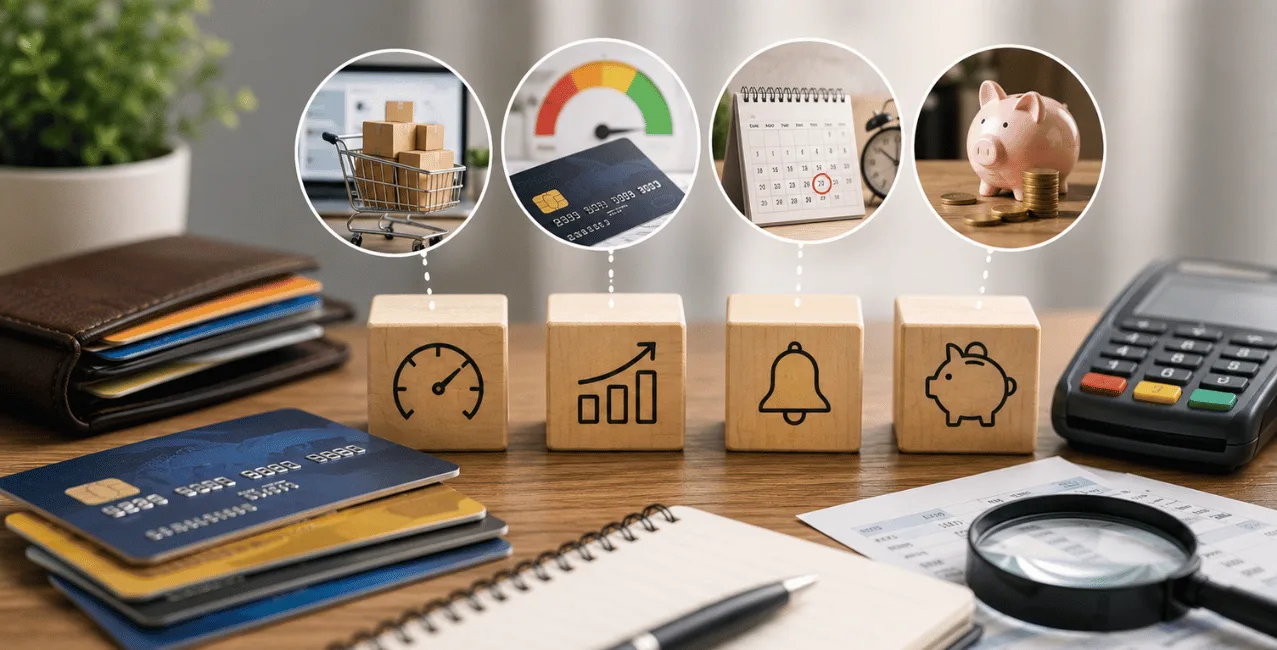
Even experienced cardholders sometimes make mistakes that create unnecessary financial problems.
One common mistake is paying only the minimum amount due every month. Although this may prevent an immediate missed payment, the remaining balance can attract interest and become expensive over time.
Another mistake is withdrawing cash using a credit card without understanding the associated charges. Such transactions may involve additional fees and interest from the withdrawal date.
Some users also ignore annual fees and other charges when choosing a card. A card with attractive rewards may not be suitable if its fees are higher than the benefits you actually receive.
Missing payment deadlines, sharing confidential card information, and spending beyond your repayment capacity are other habits worth avoiding.
Responsible credit card usage begins with understanding your financial limits and making thoughtful purchasing decisions.
Conclusion
Credit cards can be useful financial tools when managed carefully. They provide convenient payment options, access to rewards, and flexibility for handling planned purchases. However, careless spending and missed payments can create unnecessary financial pressure.
The best credit card habits in 2026 include creating a monthly budget, paying the full statement balance on time, tracking transactions, maintaining reasonable credit utilisation, and protecting personal financial information.
Remember that a credit card should support your financial planning rather than encourage unnecessary borrowing. By developing responsible spending habits and understanding your card's terms, you can make better financial decisions and enjoy its benefits without losing control of your budget.
Frequently Asked Questions
1. How can I use a credit card wisely?
Set a budget, track expenses, and pay your full bill on time.
2. Should I pay my full credit card bill?
Yes, paying the full statement balance helps avoid interest charges.
3. What is a credit limit?
It is the maximum amount you can borrow using your credit card.
4. How can I improve my credit score?
Pay bills on time and maintain low credit utilisation.
5. Is it safe to use credit cards online?
Yes, use trusted websites and never share your PIN, CVV, or OTP.