
Credit plays an important role in modern financial life. Whether someone wants to manage an unexpected expense, cover an important purchase, consolidate existing debt, or build a stronger financial profile, understanding credit and loan options can make a significant difference.
A credit loan generally refers to money borrowed from a lender that must be repaid according to agreed terms. Depending on the product, the loan may be based on the borrower's credit history, income, repayment capacity, and other eligibility requirements.
Every Buck Counts is a personal finance website that provides educational content about personal loans, credit scores, debt management, and borrowing decisions. Its loan-related articles discuss topics such as getting a personal loan with a low credit score and understanding the steps involved in applying for a loan.
For readers exploring credit loans, these resources offer a starting point for understanding how borrowing works and what to consider before applying.
This guide explains different types of credit loans, their potential benefits, important eligibility factors, and practical ways to borrow responsibly.
What Is a Credit Loan?
A credit loan is a financial arrangement in which a lender provides money to a borrower, who agrees to repay the amount according to a specific repayment schedule.
The lender may evaluate several factors before approving the application, including:
Credit history and credit score
Monthly income
Existing financial commitments
Employment or income stability
Loan amount and repayment period
Credit loans can be useful when a borrower needs funds for a planned or unexpected expense. However, the suitability of a loan depends on its cost, repayment conditions, and the borrower's financial situation.
How Does a Credit Loan Work?
The process usually begins when a borrower submits an application to a bank, credit union, or online lending institution.
The lender reviews the application and determines whether the borrower meets its requirements. If approved, the lender provides the agreed amount and establishes the repayment schedule.
Most installment loans require borrowers to make regular payments that include principal and interest.
Before accepting a loan, borrowers should understand the total amount they will repay, not just the amount they receive.
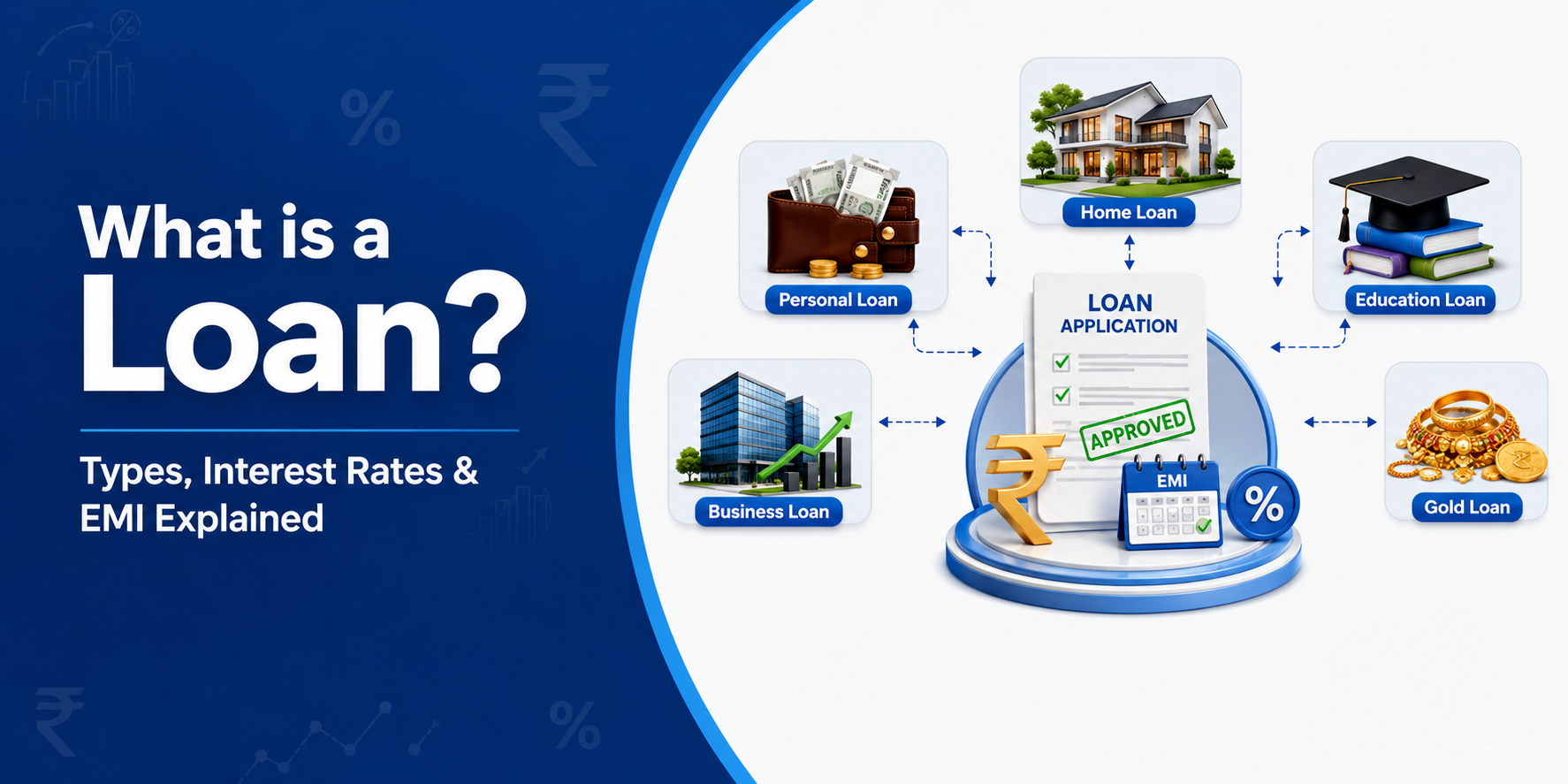
Different Types of Credit Loans
Credit loans come in different forms, and each product serves a different financial purpose.
Loan Type | Main Purpose | Important Consideration |
|---|---|---|
Personal Loan | General expenses or planned purchases | Interest rate and repayment term |
Debt Consolidation Loan | Combining eligible debts | Total cost compared with existing debt |
Secured Loan | Borrowing against eligible collateral | Risk of losing the pledged asset |
Unsecured Loan | Borrowing without collateral | Approval depends on lender criteria |
Credit Builder Loan | Establishing or improving credit history | Payment reporting and loan fees |
Business Loan | Supporting business expenses | Business eligibility and repayment capacity |
Personal Loans
Personal loans are commonly used for expenses such as emergency repairs, medical bills, home improvements, or other significant purchases.
Many personal loans are unsecured, meaning the borrower does not need to pledge an asset as collateral. However, unsecured loans may have higher interest rates depending on the applicant's credit profile.
Every Buck Counts explains that personal loan terms can vary according to the lender and the borrower's credit score. Its guide also recommends comparing loan amounts, monthly payments, interest rates, and additional fees.
Secured Credit Loans
A secured loan requires the borrower to provide collateral.
Collateral may include an eligible vehicle, savings account, or another asset accepted by the lender.
Because the lender has security against the loan, secured borrowing may offer different eligibility conditions or pricing. However, borrowers must understand that failing to repay could result in the loss of the pledged asset.
Unsecured Credit Loans
Unsecured loans do not require collateral. Instead, lenders generally evaluate the borrower's financial profile and creditworthiness.
These loans can offer convenience, but approval is not guaranteed. Applicants with limited credit history or lower scores may face stricter requirements or higher borrowing costs.
Can You Get a Credit Loan With a Low Credit Score?
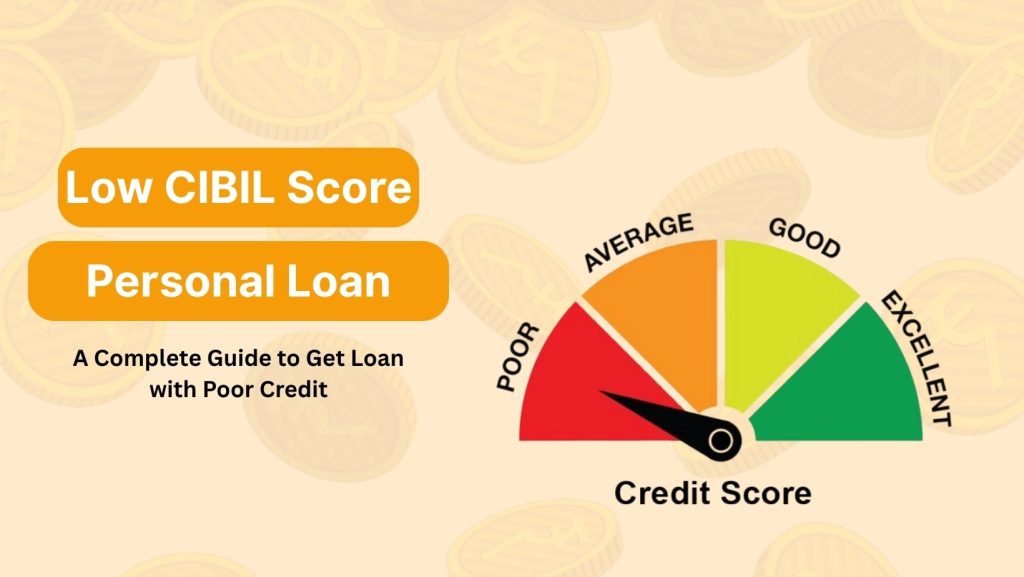
A low credit score can make borrowing more challenging, but it does not always mean that every loan application will be rejected.
Every Buck Counts has published an article titled “My Credit Score is Low – Can I Get a Personal Loan?” It discusses possible borrowing routes for people with lower credit scores, including credit unions, online lenders, and applications involving a co-signer.
What Lenders May Consider
Factor | Why It Matters |
|---|---|
Credit Score | Helps lenders assess repayment history |
Income | Indicates ability to make regular payments |
Debt-to-Income Ratio | Shows how much income is committed to debt |
Employment or Income Stability | Helps assess financial consistency |
Existing Credit Accounts | Provides information about borrowing behaviour |
A borrower with a lower score may improve their chances by reviewing their credit report, correcting errors, reducing outstanding debt, and avoiding unnecessary applications.
Consider a Credit Union
Credit unions may offer personal loan products to eligible members.
Their lending criteria and rates vary, so borrowers should compare available options rather than assume every credit union will approve an application.
Research Reputable Online Lenders
Online lending platforms can make it convenient to compare loan products and submit applications.
However, borrowers should check the lender's legitimacy, licensing where applicable, privacy practices, fees, and repayment conditions.
Avoid lenders that promise guaranteed approval without proper checks or demand suspicious upfront payments.
Benefits of Credit Loans
When used carefully, credit loans can offer several practical advantages.
1. Managing Unexpected Expenses
An unexpected repair or urgent bill can create financial pressure. A suitable loan may help cover the expense when savings are insufficient.
2. Structured Repayment
Installment loans generally provide a repayment schedule, making it easier to plan monthly payments.
3. Debt Consolidation
A debt consolidation loan may allow eligible borrowers to combine multiple balances into one repayment.
This can simplify financial management, but it is beneficial only when the new loan's total cost and terms are suitable.
4. Building Credit History
Some loans may help establish or improve credit history when payments are reported to credit bureaus and made consistently.
Payment history, credit utilisation, and other factors can influence credit scores. Borrowers should confirm whether a particular lender reports payments before applying.
Important Things to Check Before Applying
A loan advertisement may highlight an attractive interest rate or quick approval, but the complete terms are more important.
Before accepting a credit loan, review the following:
APR: Annual Percentage Rate helps show the cost of borrowing, including certain fees.
Loan Term: A longer term may reduce monthly payments but increase total interest.
Origination Fees: Some lenders charge fees for processing a loan.
Late Payment Charges: Understand the consequences of missing a payment.
Early Repayment Conditions: Check whether paying off the loan early involves a fee.
Total Repayment: Calculate how much you will repay over the entire loan period.
A lower monthly payment does not always mean a cheaper loan. Compare the complete repayment amount before making a decision.
Credit Loans vs. Credit Cards
Credit loans and credit cards are both borrowing products, but they work differently.
Feature | Credit Loan | Credit Card |
|---|---|---|
Borrowing Structure | Usually a fixed amount | Revolving credit limit |
Repayment | Scheduled installments | Monthly statement payments |
Interest | Often fixed or variable, depending on product | Usually applies to carried balances |
Best Use | Planned borrowing or specific expenses | Everyday purchases and flexible payments |
Main Risk | Long-term repayment commitment | High balances and accumulating interest |
The right option depends on the purpose of borrowing, the interest rate, and the ability to repay.
How to Use Credit Loans Responsibly
Responsible borrowing begins with understanding your financial needs.
Borrow Only What You Need
A lender may approve a higher amount than you originally requested. That does not mean you should borrow the maximum available.
Choose an amount that addresses your requirement while keeping repayments affordable.
Make Payments on Time
Late payments can result in additional charges and may negatively affect your credit history.
Set reminders or automatic payments if they fit your financial routine.
Avoid Multiple Unnecessary Applications
Submitting several applications within a short period may affect your credit profile, depending on the lender's credit-check process.
Where available, check whether a lender offers an initial eligibility assessment using a soft credit inquiry.
Maintain an Emergency Budget
Even after receiving a loan, continue planning for regular expenses and unexpected costs.
A realistic budget can help prevent borrowing from becoming a recurring solution to financial shortfalls.
How Every Buck Counts Can Help You Learn About Credit Loans
EveryBuckCounts.com includes personal finance content covering loans, credit scores, debt management, and borrowing decisions.
Readers can explore its loan-related articles to understand:
How personal loan applications work
What lenders may consider when reviewing credit
Options for borrowers with lower credit scores
How interest rates and fees affect repayment
How debt consolidation may work
Why comparing lenders is important
The website also discloses that some links may be affiliate links. Readers should independently verify lender information and review official terms before applying for a financial product.
Frequently Asked Questions
What is a credit loan?
A credit loan is money borrowed from a lender that must be repaid according to agreed terms, including applicable interest and fees.
Can I get a credit loan with a low credit score?
Some lenders consider applicants with lower credit scores. However, approval, interest rates, and loan terms depend on the lender's eligibility criteria and the applicant's financial profile.
What is the difference between secured and unsecured loans?
A secured loan requires collateral, while an unsecured loan generally does not. With a secured loan, borrowers may risk losing their pledged asset if they fail to repay.
Does Every Buck Counts provide credit loan information?
Yes. Every Buck Counts publishes personal finance content about personal loans, credit scores, debt management, and borrowing considerations.
What should I check before taking a credit loan?
Compare the APR, fees, repayment term, monthly payment, total repayment amount, and lender eligibility requirements before accepting a loan.