
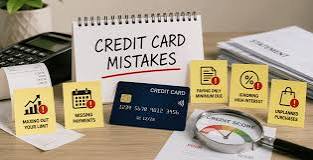
Credit cards have become an important part of modern financial life. They make everyday payments easier, provide access to short-term credit, and offer benefits such as cashback, reward points, discounts, and travel-related offers. Whether you are shopping online, booking flight tickets, paying bills, or managing unexpected expenses, a credit card can make transactions more convenient.
However, using a credit card also comes with financial responsibilities. If you do not pay your outstanding balance on time, interest charges and additional fees can increase your expenses. Spending beyond your budget can also create long-term financial pressure.
Understanding both the benefits and risks of credit cards is essential before applying for one. In this guide, we will explore how credit cards work, their major advantages, possible disadvantages, and practical ways to use them responsibly in 2026.
What Is a Credit Card?
A credit card is a payment card issued by a bank or financial institution that allows you to borrow money up to an approved credit limit. You can use it to purchase products, pay for services, and complete online or offline transactions.
Unlike a debit card, which uses money directly from your bank account, a credit card allows you to make payments using borrowed funds. You are required to repay the amount spent according to the billing cycle and payment deadline.
Every credit card comes with a specific credit limit based on factors such as your income, credit history, repayment capacity, and the bank's eligibility requirements.
For example, if your credit limit is ₹50,000, you can generally make eligible transactions up to that amount, subject to available credit and the card's terms.
At the end of the billing cycle, the bank generates a statement showing your total spending, outstanding balance, minimum amount due, and payment deadline.
Major Benefits of Using a Credit Card
Credit cards offer several advantages when used carefully. They can help simplify financial transactions and provide additional features that may not be available with ordinary payment methods.
1. Convenient and Easy Payments

One of the biggest advantages of credit cards is payment convenience. You do not need to carry large amounts of cash when shopping or travelling. Credit cards are widely accepted at retail stores, restaurants, hotels, online shopping platforms, and many service providers.
They also support contactless payments and digital wallets, making everyday transactions faster and easier.
For people who regularly make online purchases, credit cards provide a simple way to complete payments without directly accessing their savings account.
2. Cashback and Reward Points
Many credit cards offer cashback, reward points, or discounts on eligible transactions. These benefits can help cardholders receive additional value from their regular spending.
For example, some cards provide rewards on groceries, shopping, dining, fuel, or travel bookings. Accumulated reward points may be redeemed for vouchers, merchandise, statement credits, or other available benefits.
However, reward programmes differ between banks. Always check the eligibility conditions, redemption limits, expiry dates, and applicable charges before choosing a card.
3. Helps Build Your Credit History
Responsible credit card usage can help establish and maintain a positive credit history. Payment history and credit utilisation are among the factors considered when calculating credit scores.
When you pay your bills on time and manage your outstanding balance carefully, you can demonstrate responsible borrowing behaviour.
A healthy credit profile may improve your chances of qualifying for certain loans or financial products in the future. However, approval always depends on the lender's assessment and eligibility criteria.
4. Short-Term Financial Flexibility
Credit cards can provide short-term financial flexibility when you need to make an important purchase before your next salary payment.
For example, you may use a credit card to pay for essential household items, travel bookings, or unexpected expenses.
Most credit cards provide an interest-free period on eligible purchases when the full statement balance is paid by the due date. The duration and conditions vary depending on the card and billing cycle.
It is important to remember that this is borrowed money, not additional income. You should use this facility only when you have a realistic repayment plan.
5. Additional Security Features
Credit cards generally include security features designed to protect cardholders against unauthorized transactions.
Depending on the bank and card network, these features may include transaction alerts, OTP verification, contactless payment controls, card blocking facilities, and online transaction restrictions.
Many banks also allow users to manage their cards through mobile applications. You can check recent transactions, change spending limits, and temporarily block a card when necessary.
Never share your PIN, CVV, OTP, or banking passwords with anyone, even if someone claims to represent your bank.
6. Travel and Lifestyle Benefits

Some credit cards provide additional benefits for people who travel frequently or enjoy lifestyle-related offers.
These may include airport lounge access, hotel discounts, travel insurance, dining offers, fuel-related benefits, and special shopping deals.
Premium credit cards may provide more exclusive privileges, but they can also come with higher annual fees and specific spending requirements.
Before applying, compare the actual value of these benefits with the cost of maintaining the card.
Risks and Disadvantages of Credit Cards
Although credit cards provide convenience and financial benefits, careless usage can create several problems. Understanding these risks can help you avoid unnecessary debt.
1. High Interest Charges
One of the biggest risks of credit cards is the interest charged on unpaid balances. If you do not pay the full statement amount by the due date, the bank may charge interest according to the card's terms.
Credit card interest rates can be significantly higher than those of some other borrowing options.
For example, regularly paying only the minimum amount due may keep your account from becoming overdue, but the remaining balance can continue attracting interest.
To avoid unnecessary charges, try to pay the total statement balance by the payment deadline.
2. Overspending and Unnecessary Purchases
Credit cards make spending easy because you do not need to pay directly from your bank account at the time of purchase.
This convenience can sometimes encourage people to buy products they cannot comfortably afford.
Frequent shopping, impulse purchases, and unnecessary subscriptions may gradually increase your outstanding balance.
To avoid this problem, set a monthly spending limit based on your actual income and expenses. Remember that your approved credit limit is not the same as your available budget.
3. Late Payment Fees
Missing your credit card payment deadline can result in additional charges. Depending on the bank's policies and applicable regulations, late payments may also affect your credit history.
If you frequently forget payment dates, set reminders through your banking application or calendar.
You can also consider automatic bill payments after ensuring that sufficient funds are available in your bank account.
4. Annual and Hidden Charges
Some credit cards come with joining fees, annual maintenance charges, cash withdrawal fees, foreign currency transaction fees, and other service-related costs.
A card that offers attractive rewards may not always be the most affordable option.
Read the fee schedule carefully before applying. Compare the annual cost with the benefits you are likely to use.
Also, check whether annual fees can be waived after meeting specific spending conditions.
5. Risk of Fraud and Unauthorized Transactions
Credit card fraud can happen through phishing messages, fake websites, suspicious payment links, or stolen card information.
Scammers may try to obtain your card details by pretending to be bank representatives or customer support agents.
Never share confidential payment information over phone calls or messages. Use trusted websites, check payment pages carefully, and activate transaction notifications.
If you notice an unauthorized transaction, contact your card issuer immediately and follow the bank's reporting process.
6. High Credit Utilisation
Credit utilisation refers to the percentage of your available credit limit that you are currently using.
For example, if your credit limit is ₹1,00,000 and your outstanding balance is ₹70,000, your credit utilisation is 70%.
High credit utilisation may negatively affect your credit score. Keeping your balances under control and paying bills regularly can support healthier credit management.
Credit Card vs Debit Card: Understanding the Difference
Credit cards and debit cards may look similar, but they work differently.
Feature | Credit Card | Debit Card |
|---|---|---|
Source of money | Borrowed money | Your bank balance |
Repayment | Paid later | Deducted immediately |
Credit history | Can help build credit history | Generally does not build credit history |
Interest | May apply to unpaid balances | Usually no borrowing interest |
Spending limit | Approved credit limit | Available bank balance |
Rewards | Often offers rewards and cashback | Depends on the bank and card |
Both payment methods are useful, but your choice should depend on your spending habits and financial requirements.
How to Choose the Right Credit Card
Selecting the right credit card requires more than comparing attractive advertisements. You should understand your spending habits and identify which features provide genuine value.
Compare Interest Rates and Fees
Check the interest rate, joining fee, annual fee, late payment charges, and other applicable costs. A card with a low annual fee may be more suitable if you do not need premium benefits.
Understand Your Spending Habits
Think about where you spend most of your money. If you regularly purchase groceries, shop online, or travel, look for a card that provides suitable benefits in those categories.
Check Reward Conditions
Do not select a card only because it advertises attractive cashback or reward points. Read the terms to understand spending limits, excluded transactions, redemption options, and expiry conditions.
Review Eligibility Requirements
Banks usually consider your income, employment status, credit history, and other financial details when evaluating applications.
Check the eligibility requirements before applying to avoid unnecessary applications.
Read the Terms and Conditions
Review the card agreement carefully. Understand billing cycles, interest-free periods, payment deadlines, charges, and customer support facilities before accepting the card.
Smart Tips for Using a Credit Card Responsibly
Using a credit card responsibly can help you enjoy its benefits while reducing financial risks.
Always spend within your monthly budget rather than treating your credit limit as extra income. Pay the complete statement balance on time whenever possible to avoid interest on eligible purchases.
Keep track of your transactions through your bank's mobile application and review statements regularly. This helps you identify unfamiliar charges and control unnecessary spending.
Avoid withdrawing cash using a credit card unless it is genuinely necessary, as cash advances may involve additional fees and interest charges.
You should also avoid applying for several credit cards within a short period. Managing too many accounts can make it harder to track payments and outstanding balances.
Finally, protect your card details and contact your bank immediately if your card is lost, stolen, or used without permission.
Final Thoughts
Credit cards can be useful financial tools when you understand how they work and use them responsibly. Their benefits include convenient payments, cashback, reward points, credit history building, and additional security features.
However, high interest rates, late payment charges, overspending, and fraud risks should never be ignored. Before choosing a credit card, compare its fees, interest rates, rewards, and eligibility requirements.
Frequently Asked Questions
1. What is a credit card?
A credit card allows you to borrow money from a bank for purchases and repay it later.
2. What are the main benefits of credit cards?
Credit cards offer cashback, reward points, convenient payments, and credit history building.
3. What are the risks of using credit cards?
High interest charges, late fees, overspending, and fraud are common risks.
4. How can I avoid credit card interest?
Pay your full statement balance by the due date whenever possible.
5. Does using a credit card improve my credit score?
Responsible usage and timely payments can help build a positive credit history.