
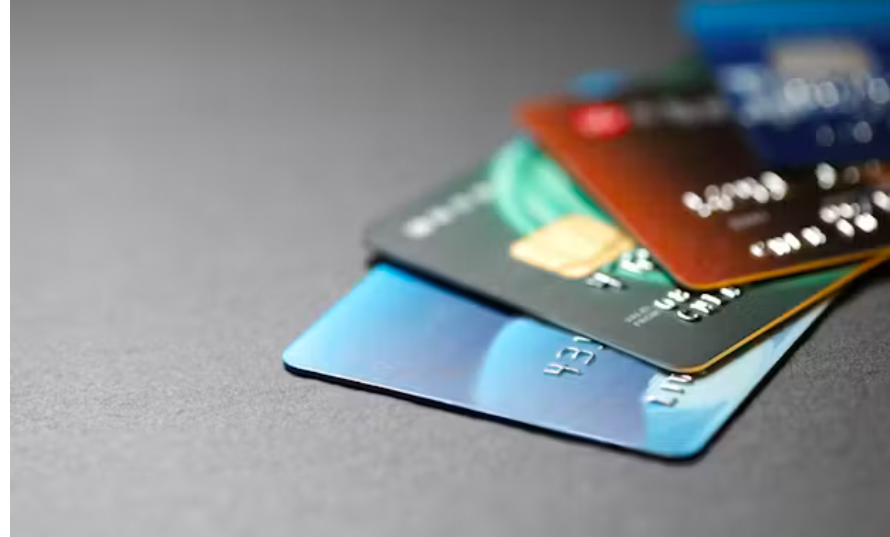
Credit cards have become an important part of everyday financial management. Whether you are shopping online, paying household bills, booking travel tickets, or managing unexpected expenses, a credit card can make transactions easier and more convenient. It allows you to purchase products and services using money borrowed from a bank or financial institution and repay the amount later.
However, using a credit card responsibly is just as important as having one. Without proper planning, high interest charges, late payment fees, and unnecessary spending can create financial difficulties.
In 2026, credit card providers offer different features, including cashback, reward points, travel benefits, shopping discounts, and flexible payment options. Choosing the right card depends on your income, spending habits, financial goals, and repayment ability.
This guide explains how credit cards work, their benefits, different types, and practical ways to use them wisely.
What Is a Credit Card?
A credit card is a payment card issued by a bank or financial institution that allows users to borrow money up to a specific spending limit. Instead of paying directly from a bank account, you use the credit provided by the card issuer.
You receive a monthly statement showing your purchases, outstanding balance, minimum amount due, and payment deadline. You can repay the entire statement balance or make a minimum payment, although paying only the minimum amount can result in additional interest charges.
For example, if your credit card has a spending limit of ₹50,000, you can make eligible purchases up to that limit. Once you repay the outstanding amount, your available credit generally increases again.
Credit cards are useful for convenient payments, but they should not be treated as extra income.
How Does a Credit Card Work?
Understanding how a credit card works can help you avoid unnecessary charges and manage your spending more effectively.
Here is a simple explanation of the process:
01. Application
Apply for a credit card through a bank or financial institution.
02. Approval
The issuer checks your income, credit history, and eligibility.
03. Credit Limit
After approval, the issuer assigns your spending limit.
04. Purchases
Use your card for online and offline transactions.
05. Monthly Statement
Receive a statement showing your outstanding balance.
06. Repayment
Pay your outstanding balance before the due date.
Most credit cards offer an interest-free period on eligible purchases when the previous statement balance is paid in full by the due date. The exact period depends on the card's billing cycle and terms.
If you do not pay the full statement balance, interest may apply according to the issuer's condition.
Different Types of Credit Cards in 2026
Credit cards are designed for different spending needs. Before choosing one, understand the available options and compare their features.
1. Cashback Credit Cards
Cashback credit cards return a percentage of eligible spending to the cardholder. They are useful for people who regularly shop online, pay utility bills, or make everyday purchases.
Some cards offer higher cashback on selected categories, while others provide a standard cashback rate on eligible transactions.
2. Rewards Credit Cards
Rewards credit cards allow users to earn points on eligible purchases. These points can sometimes be redeemed for shopping vouchers, products, travel bookings, or other benefits.
They may suit individuals who regularly use their cards and can take advantage of the available reward programme.
3. Travel Credit Cards
Travel credit cards are designed for people who frequently travel for business or leisure. Depending on the card, benefits may include airline miles, travel discounts, airport lounge access, and hotel-related offers.
Check the eligibility conditions and annual fees before choosing a travel card.
4. Shopping Credit Cards
Shopping credit cards offer benefits on selected online platforms, retail stores, and partner brands. These may include discounts, reward points, cashback, or special shopping offers.
They can be useful for people who frequently purchase products from eligible merchants.
5. Fuel Credit Cards
Fuel credit cards provide benefits on eligible fuel transactions at participating petrol pumps. Depending on the card, users may receive fuel surcharge waivers or reward points.
Compare the applicable transaction limits and conditions before applying.
6. Secured Credit Cards
Secured credit cards are generally issued against a fixed deposit or another accepted security. They may be suitable for individuals who have limited credit history or want to start building a credit profile.
The issuer decides the credit limit and other conditions based on its policies.
Major Benefits of Using a Credit Card
When managed properly, credit cards can provide several financial and practical advantages.
Convenient Payments
Credit cards make it easier to pay for purchases without carrying cash. They are accepted at many retail stores, restaurants, websites, and service providers.
Cashback and Reward Points
Many cards offer rewards on eligible spending. These benefits can help users save money or receive additional value from their regular purchases.
Interest-Free Credit Period
Credit cards may provide an interest-free period on eligible purchases. This allows cardholders to make payments now and settle the bill later without interest, provided they meet the required repayment conditions.
Builds Credit History
Responsible credit card usage can help establish a positive credit history. Paying bills on time and maintaining a reasonable credit utilisation ratio may support your credit profile.
Shopping Discounts and Offers

Banks often partner with shopping websites, restaurants, travel companies, and retail brands to provide special discounts and promotional offers.
Emergency Financial Support
A credit card can provide temporary financial flexibility during unexpected situations. However, users should avoid relying on credit cards as their only emergency fund.
Transaction Protection
Many credit card issuers provide security features such as transaction alerts, card blocking, and dispute resolution support. Some cards also offer additional purchase protection depending on their terms.
How to Choose the Right Credit Card
Selecting a credit card requires more than comparing promotional offers. The right card should match your regular spending habits and financial requirements.
Understand Your Spending Habits
Start by reviewing where you spend the most money. If you frequently shop online, a shopping or cashback card may be useful. If you travel regularly, a travel-focused card may offer better value.
Compare Annual and Joining Fees
Some credit cards have no annual fees, while others charge joining and renewal fees. Compare these costs with the rewards and benefits you expect to receive.
A card with a high annual fee may not be worthwhile if you rarely use its additional features.
Check the Interest Rate
Understand the interest rate charged on unpaid balances. Credit card interest can be expensive, so choose a card with terms you understand and always aim to pay your full statement balance.
Review Reward Conditions
Read the reward programme carefully. Check earning limits, excluded transactions, redemption options, expiry dates, and minimum redemption requirements.
Check Eligibility Requirements
Banks consider factors such as age, income, employment, credit history, and existing financial obligations when evaluating applications.
Choose a card that matches your financial profile rather than applying for multiple cards without checking eligibility.
Smart Credit Card Usage Tips
Using a credit card responsibly can help you manage your finances and avoid unnecessary debt. Follow these practical habits.
1. Pay Your Full Statement Balance
Try to pay the total statement balance before the due date. Paying only the minimum amount due can leave a significant outstanding balance on which interest may be charged.
2. Track Your Spending
Review your transactions regularly through your banking app or monthly statements. This helps you understand your spending patterns and identify unnecessary purchases.
3. Avoid Using Your Entire Credit Limit
Try to keep your credit utilisation under control. Regularly using a large portion of your available credit may negatively affect your credit profile.
4. Set Payment Reminders
Enable payment notifications or automatic payment options where available. This can help you avoid missing due dates and paying late fees.
5. Use Rewards Carefully
Take advantage of cashback and reward points when they match your normal spending. Avoid buying unnecessary products simply to earn rewards.
6. Check Your Monthly Statement
Review every transaction and confirm that the billed amount is correct. Report unfamiliar or unauthorised transactions to your card issuer immediately.
7. Avoid Unnecessary Cash Withdrawals
Withdrawing cash using a credit card can involve additional fees and interest charges. Check your card's terms before using this facility.
Common Credit Card Mistakes to Avoid
Many people experience financial problems because they do not fully understand their card's terms and conditions.
Here are some common mistakes worth avoiding:
Paying Only the Minimum Amount: This can increase interest costs and keep your debt outstanding for longer.
Missing Payment Deadlines: Late payments may result in penalties and affect your credit history.
Exceeding Your Budget: Spending more than you can repay can create unnecessary debt.
Ignoring Annual Fees: Unused cards may still carry renewal charges.
Applying for Too Many Cards: Multiple applications within a short period may affect your credit profile.
Ignoring Statements: Unnoticed transactions or incorrect charges can create problems.
Sharing Sensitive Information: Never share your PIN, CVV, OTP, or banking passwords with anyone.
Avoiding these mistakes can make credit card usage safer and more manageable.
Credit Card Safety and Security Tips
Online payments and digital transactions have made shopping easier, but cardholders should remain careful about financial fraud.
Follow these basic security practices:
Never share your card PIN, CVV, OTP, or banking password.
Use trusted websites and secure payment gateways.
Enable transaction alerts for online and offline purchases.
Avoid saving card details on unfamiliar websites.
Never click suspicious payment links received through messages or emails.
Block your card immediately if it is lost or stolen.
Report unauthorised transactions to your bank without delay.
Banks will never need your confidential PIN or OTP to verify your identity through a phone call or message.
Credit Card vs Debit Card: What Is the Difference?
Although credit cards and debit cards look similar, they work differently.
Feature | Credit Card | Debit Card |
|---|---|---|
Payment Source | Borrowed credit | Bank account balance |
Spending Limit | Assigned credit limit | Available account balance |
Interest Charges | May apply to unpaid balances | Generally no borrowing interest |
Credit History | Can help build credit history | Usually does not build credit history |
Repayment | Paid through monthly statements | Amount deducted from the bank account |
Rewards | Often offers cashback and points | Depends on the bank and card |
A debit card may be suitable for people who prefer spending only their available money. A credit card may offer additional flexibility and rewards when used responsibly.
Are Credit Cards Good for Financial Planning?
Credit cards can support financial planning when users understand their spending limits and repayment responsibilities.
They allow people to organise eligible purchases, track transactions, and receive rewards on regular spending. Monthly statements also provide a clear record of expenses, which can help with budgeting.
However, credit cards are not a substitute for savings. Borrowing money for unnecessary purchases or repeatedly carrying unpaid balances can create financial pressure.
For better financial management, use your card for planned expenses and repay the full statement amount whenever possible.
Conclusion
Credit cards can be useful financial tools when selected carefully and managed responsibly. They offer convenient payments, cashback, reward points, shopping discounts, and opportunities to build a credit history.
However, choosing the right card requires understanding its fees, interest rates, rewards, eligibility requirements, and repayment conditions.
In 2026, take time to compare different credit card options and select one that matches your spending habits. Pay your bills on time, monitor transactions, protect your personal information, and avoid spending beyond your budget.
1. What is a credit card?
A credit card allows you to borrow money for purchases and repay it later.
2. How can I get a credit card?
You can apply through a bank or financial institution.
3. Can a credit card improve my credit score?
Yes, timely payments can help build a positive credit history.
4. What happens if I miss a payment?
You may face late fees and additional interest charges.
5. How can I use a credit card safely?
Never share your PIN, CVV, or OTP with anyone.