
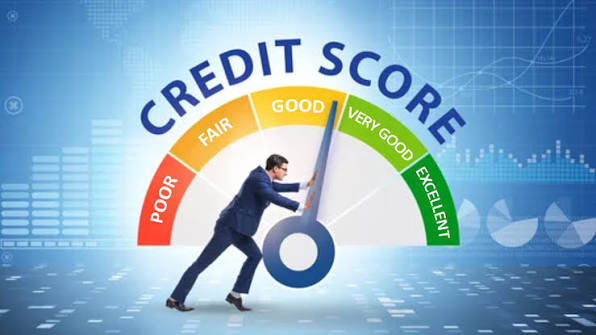
When my cousin Priya got her first credit card, she treated it like free money. Within three months she had a pile of small purchases, a minimum payment she barely noticed and a score that actually went down. She was shocked, because she thought "having a card" automatically meant "building credit."
It doesn't work that way. A credit card is one of the best tools for building a strong score, but only if you use it with a plan. Used well, it quietly builds a record of trust. Used carelessly, it does the opposite. Here's how to do it the right way.
This article is only for general information, so please don't take it as financial advice. Before you apply for any card or loan, read the terms carefully and ask an expert if you're not sure about something.
How a Credit Score Really Works
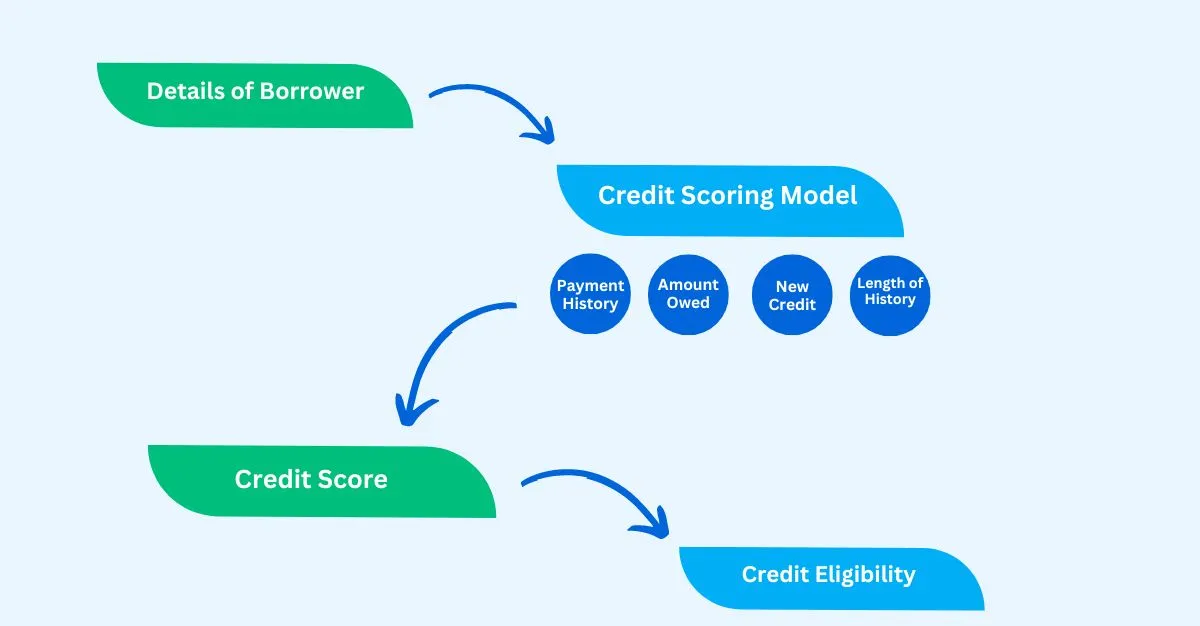
Your credit score is a number that tells lenders how safely you've handled borrowed money. (opens in a new tab) It comes from your credit report, which records your accounts, your payments and how much you owe. Different scoring models weigh things slightly differently, but the main ingredients are the same almost everywhere.
In the commonly used FICO model, five factors make up your score. Knowing their weight helps you decide where to put your effort first.
Factor | Approximate Weight | What It Means for You |
|---|---|---|
Payment history | 35% | Do you pay on time, every time? |
Amounts owed | 30% | How much of your limit are you using? |
Length of credit history | 15% | How long have your accounts been open? |
Credit mix | 10% | Do you handle different types of credit? |
New credit | 10% | How often do you apply for new accounts? |
The first two matter most by far. If you get payment history and card usage right, you're already doing most of the work.
Habit One: Never Miss a Payment
Add payment dates to your calendar and set alerts before the deadline.

Pay your credit card bill before the due date to avoid late payments.
Check your outstanding balance and payment status regularly.

Set automatic payments and maintain enough funds in your account.
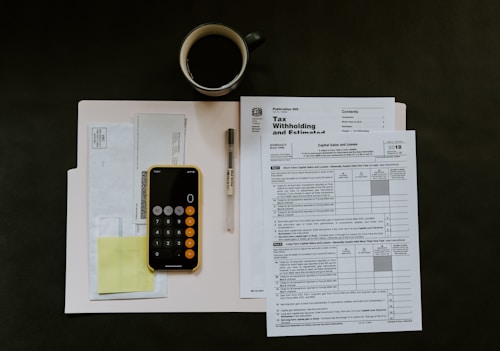
Review every statement and confirm the amount you need to pay.

Keep payment confirmations as proof of every transaction.
This is the single most powerful habit. A card issuer reports your payment activity to the credit bureaus, so every on-time payment adds to your record, and every late one can damage it.
The simplest fix is automation. Set up an automatic payment so the bill is paid even on a busy or forgetful day. At a minimum, schedule the minimum payment, and then top it up manually to pay the full balance whenever you can.
Turn on automatic payments the day you get the card
Set a reminder a few days before the due date
Pay the full statement balance, not just the minimum
If you miss a due date, call the issuer right away, because acting quickly can sometimes stop it from being reported
Why paying in full is smarter
Paying only the minimum keeps you in good standing on paper, but it lets interest pile up fast. Paying the full balance each month means you build credit without paying a single rupee or dollar in interest. That's the real trick of using a card well.
Habit Two: Keep Your Usage Low
Your credit utilization is the share of your available limit that you're using. If your limit is 100,000 and your balance is 20,000, your utilization is 20 percent. Many experts suggest keeping it at or below about 30 percent, although no single number guarantees a particular score. Lower is generally better.
Here's a useful detail. The balance that gets reported is usually the one on your statement date, not the one on your due date. That means you can pay part of your bill before the statement is created, and a lower balance will be reported. It's a small trick that helps many people.
Quick card: The mid-cycle payment
If you spend heavily during the month, make an extra payment a few days before your statement closes. The lower balance gets reported, and your utilization looks better.
Don't aim for zero
Some people avoid using their card at all, thinking it keeps their score safe. But if you never use it, there's no activity to report, and the issuer may even close the account for inactivity. A small purchase every month or two, paid off in full, keeps the account active and healthy.
Habit Three: Let Your Accounts Age
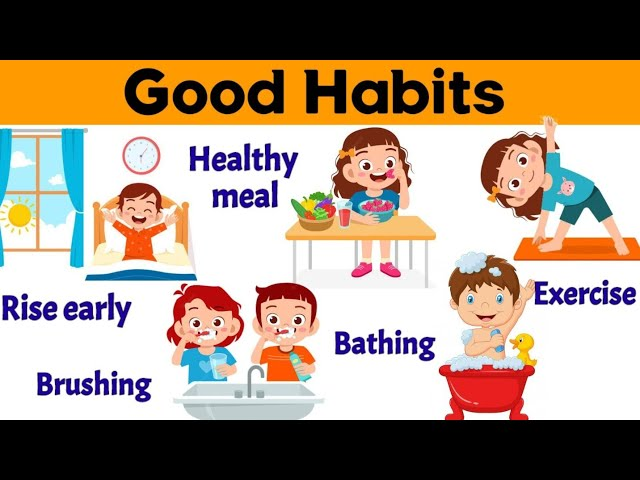
Length of credit history makes up a good share of your score, so time is a quiet friend. The longer your accounts stay open and in good standing, the better your history looks.
This is why closing your oldest card can be a mistake. Even if you rarely use it, keeping it open adds to your account age and your total available limit. If it has an annual fee, ask the issuer if you can switch it to a no-fee version instead of closing it.
Keep your first card open if it has no fee
Use it for one small bill a few times a year so it stays active
Don't open lots of new cards just for the sign-up offers
Starting From Zero: Your First Card Options
If you have no credit history, getting your first card can feel like a trap, because lenders want to see history you don't have yet. Fortunately, there are a few friendly ways in.
A secured credit card needs a refundable deposit, which becomes your limit. It's easier to get, and if the issuer reports to the credit bureaus, it builds history like any other card. A student card is designed for people with limited history. Becoming an authorised user on a trusted family member's card can also add their good record to your file, as long as they pay on time. Whichever route you pick, check that the issuer reports to the credit bureaus, because a card that doesn't report won't help your score.
Option | Best For | Keep in Mind |
|---|---|---|
Secured credit card | Beginners or people rebuilding credit | Needs a deposit, so check the fees |
Student credit card | College students with limited history | Limits are usually small |
Authorised user | People who have a trusted family member | Their mistakes can also affect you |
Regular card with low limit | Those with a small but steady income | Easy to overspend, so set alerts |
Card from your own bank | Existing customers with a clean record | Banks sometimes approve their own customers faster |
Smart Ways to Use the Card Day to Day
Once you have the card, a few small rules keep you safe. Think of the card as a convenient way to pay for things you'd buy anyway, not as extra income.
Use it for regular, planned costs like phone bills, groceries or fuel, and then pay it off in full. Track what you spend in the app, and set alerts for when you cross a certain amount. Never spend more on the card than you could pay from your bank account today. If you stick to that rule, you'll almost never pay interest.
Ask for a higher limit, carefully
After you've used the card well for several months, you can ask the issuer to raise your limit. A higher limit lowers your utilization, as long as you don't spend more. Just make sure the request is a soft check, and don't ask too often.
Watch for fees and traps
Read the card's terms for annual fees, late fees, cash advance charges and foreign transaction fees. Cash advances are especially costly, since interest usually starts right away. Treat them as a last resort.
Mistakes That Quietly Hurt Your Score
1. Missing Payment Deadlines
Late payments can hurt your credit history.
- Set payment reminders.
- Pay before the due date.
- Enable automatic payments.
- Check every monthly bill.
- Keep enough money in your account.
- Track payment confirmations.
2. Using Too Much Credit
High credit utilization may affect your score.
- Keep balances low.
- Avoid maxing out your card.
- Monitor your credit limit.
- Pay balances regularly.
- Limit unnecessary purchases.
- Review monthly spending.
3. Applying for Many Cards
Frequent applications can lead to multiple hard inquiries.
- Compare cards first.
- Apply only when needed.
- Check eligibility beforehand.
- Avoid repeated applications.
- Read card requirements.
- Choose suitable offers.
4. Ignoring Credit Statements
Unnoticed errors and unpaid charges can create credit problems.
- Read every statement.
- Check unknown transactions.
- Review outstanding balances.
- Report billing errors quickly.
- Track payment dates.
- Keep statement records.
Most people who struggle with their card make the same few errors. They're easy to avoid once you know about them.
Paying only the minimum for months
Using almost the full limit every month
Applying for many cards in a short time
Closing the oldest card without thinking
Ignoring the statement and missing a due date by accident
Also remember that a card isn't the same as income. If you notice you're using it to cover basic costs because money is short, pause and look at your budget. That's a sign to fix the root problem before it grows.
Check Your Progress Regularly
Building credit takes time, usually months rather than weeks, so be patient. Check your credit report once in a while to make sure everything looks right, and report any mistakes you find. Many banks and apps now show your score for free, and checking your own score doesn't hurt it.
A simple rhythm works well. Look at your card statement monthly, check your score every few months and review your full report once or twice a year. Small, regular checks stop surprises from growing.
Final Thoughts
Building a good credit score with a credit card isn't complicated, but it does need consistency. Pay on time, keep your balance low, let your accounts age and avoid piling on new cards. Do these four things, and your score will usually climb steadily without any tricks.
Priya learned all this the slow way. She set up automatic payments, started paying in full and kept her usage low. About a year later, her score had climbed well above where it started, and a lender offered her a better rate on a loan she was planning. The card hadn't changed. Her habits had, and that's where good credit really comes from.
FAQ's
How can a credit card help build a good credit score?
Responsible credit card use and timely payments can help build a positive credit history.
Should I pay my credit card bill on time?
Yes. Pay your bill by the due date to maintain a healthy payment history.
What is credit utilization?
Credit utilization is the percentage of your available credit limit that you use.
Does paying the full credit card bill help?
Yes. Paying the full bill on time helps you avoid interest and maintain responsible credit habits.
Can applying for multiple credit cards affect my score?
Yes. Several applications in a short period may lead to multiple hard inquiries and affect your credit score.