
The stock market changes every day, and investors (opens in a new tab) around the world closely follow the latest updates to understand what is driving market movements. From global economic developments to company earnings reports, many factors influence how markets perform. In recent times, stock market activity has become even more dynamic due to changing business conditions, technology growth, energy prices, and international events. Understanding these movements can help readers stay informed about the financial world and recognize the reasons behind sudden market rises or declines.
Today’s stock market environment reflects a mix of optimism and caution. While some sectors are showing strong growth due to innovation and consumer demand, others are facing pressure because of global uncertainty and changing market conditions. Investors are carefully watching major indicators, company announcements, and economic reports to understand where markets may move next.
Global Markets Are Influencing Investor Sentiment
One of the biggest reasons behind daily stock market movement is the performance of global markets. Financial markets are connected across countries, meaning developments in one region often affect investor confidence in another. When major economies (opens in a new tab) such as the United States, China, Japan, or European countries experience economic changes, stock markets around the world react quickly.
Recently, investors have been paying close attention to global trade activity, manufacturing growth, and economic recovery patterns. Positive economic signals from large economies often encourage confidence among investors, leading to gains in stock prices. On the other hand, concerns about slowing growth, supply chain disruptions, or geopolitical tensions can create uncertainty and increase market volatility.
Asian markets, European markets, and American indexes all contribute to overall market sentiment. When international markets open with strong momentum, it often creates a positive environment for trading throughout the day. Global market news therefore remains one of the strongest forces influencing stock market direction.
Technology Companies Continue to Drive Market Momentum
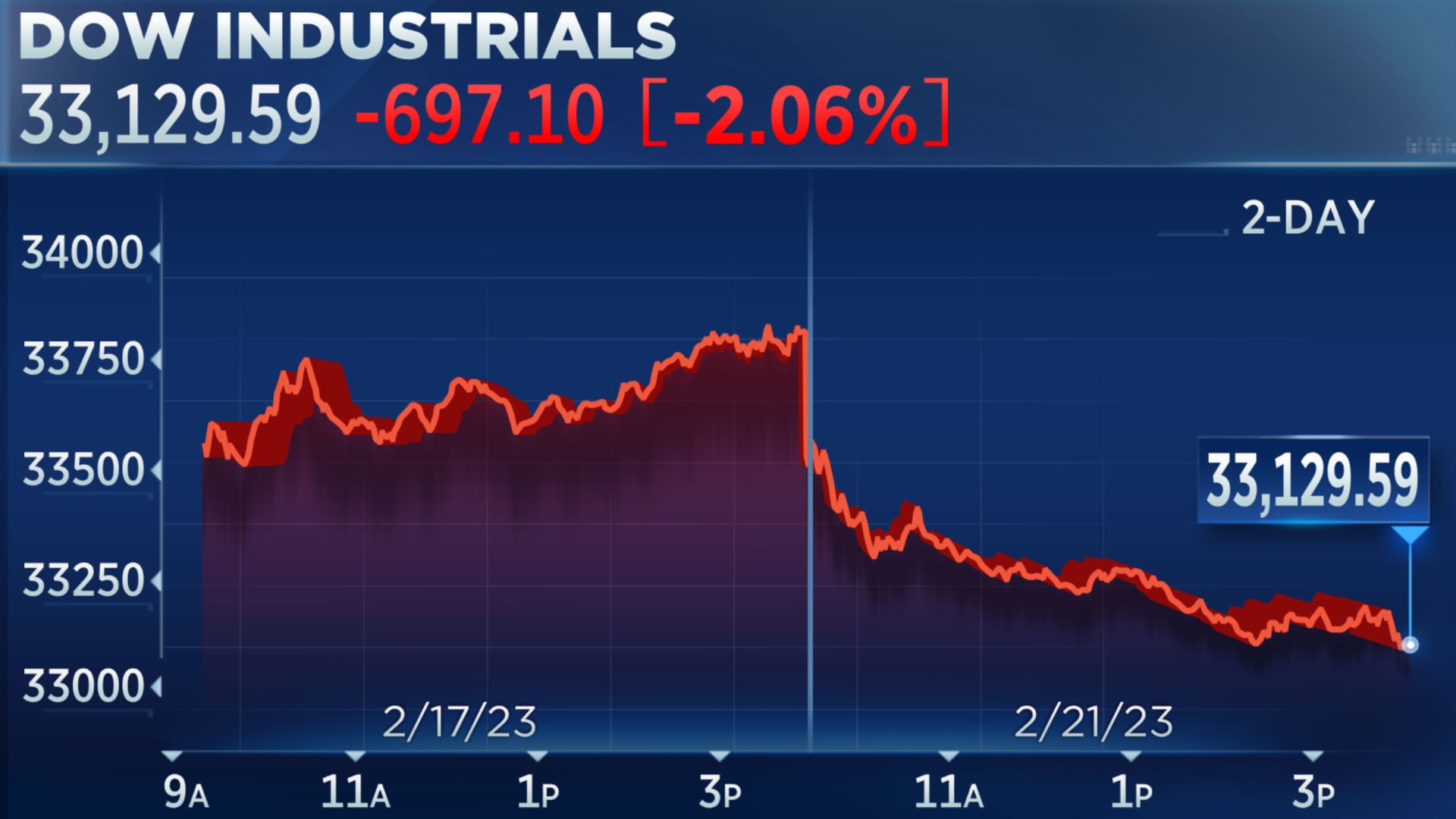
Technology companies remain among the most influential players in the stock market. Businesses involved in artificial intelligence, cloud computing, cybersecurity, and digital services continue to attract strong attention from investors. Many investors believe technology will continue shaping the future economy, which is why tech-related stocks often experience large trading volumes.
Artificial intelligence has become a major topic in financial markets. Companies investing in AI tools, automation, and advanced software solutions are seeing increased interest from investors. Large technology firms are expanding their AI capabilities to improve productivity and develop new services. This excitement around AI innovation has helped push many technology stocks higher.
At the same time, investors are carefully evaluating company earnings and growth expectations. If a major technology company reports strong sales and positive future guidance, market confidence often improves. However, if results fall below expectations, technology stocks can quickly decline and impact the broader market.
The technology sector therefore continues to play a major role in determining overall stock market performance.
Energy Prices Are Affecting Market Direction
Energy prices are another important factor moving the stock market today. Oil and natural gas prices influence transportation costs, manufacturing expenses, and overall business activity. When energy prices rise sharply, investors sometimes become concerned about higher operating costs for companies.
Energy companies themselves may benefit when oil prices increase because their revenues often improve. As a result, energy stocks sometimes move higher during periods of rising commodity prices. However, industries that depend heavily on fuel and transportation may face additional challenges.
Global events, production decisions by oil-producing nations, and supply disruptions all affect energy markets. Investors closely monitor these developments because changes in energy prices can influence inflation, business profits, and consumer spending patterns.
Renewable energy companies are also receiving growing attention as countries continue investing in cleaner energy solutions. Solar, wind, and electric vehicle industries are becoming important parts of market discussions, especially as sustainability becomes a global focus.
Corporate Earnings Reports Are Moving Individual Stocks
Company earnings season is one of the most active periods in the stock market. During this time, businesses release financial results showing revenue, profits, and future expectations. Investors use these reports to evaluate company performance and future growth potential.
Strong earnings reports often lead to rising stock prices because investors gain confidence in the company’s business model. Higher sales, expanding customer bases, and positive future forecasts can all support stock growth. On the other hand, disappointing earnings results may trigger selling activity and sharp price declines.
Major corporations from industries such as technology, healthcare, retail, banking, and manufacturing all influence market trends during earnings season. Investors also pay attention to management comments regarding future business conditions and industry outlooks.
In many cases, a single large company can significantly affect broader market indexes because of its size and influence. This is why earnings announcements frequently create strong market reactions and increased trading activity.
Consumer Spending Trends Are Being Closely Watched
Consumer spending remains a key indicator of economic strength. When people continue spending on shopping, travel, entertainment, and essential goods, businesses often perform better. Investors therefore watch retail sales data and consumer confidence reports carefully.
Retail companies, e-commerce businesses, and travel-related industries are especially affected by consumer behavior. Strong consumer demand can support higher corporate revenues (opens in a new tab) and improve investor confidence in economic growth.
However, changing prices, employment conditions, and global uncertainty can sometimes influence consumer spending habits. If consumers reduce spending, companies may experience slower growth, which can affect stock prices.
Today’s market reflects mixed consumer trends. While some industries continue benefiting from strong demand, others are adjusting to changing customer preferences and economic conditions. Investors are monitoring these developments to understand how consumer activity may influence future market direction.
Banking and Financial Stocks Remain in Focus
Banking and financial companies are another important part of the stock market. Investors watch this sector closely because banks play a major role in business activity, lending, and economic stability.
Strong banking performance can signal healthy economic conditions, while concerns in the financial sector may create broader market uncertainty. Investors pay attention to loan growth, business activity, and company earnings within the banking industry.
Financial institutions are also adapting to digital transformation. Many banks are investing in online banking platforms, cybersecurity, and digital payment systems to improve customer services. Companies involved in financial technology are becoming increasingly important in modern financial markets.
The banking sector therefore continues to influence investor sentiment and daily stock market movements.
Geopolitical Events Are Creating Market Volatility
Political and international developments frequently impact stock markets. Elections, trade discussions, diplomatic tensions, and international conflicts can all affect investor confidence. Markets generally prefer stability because uncertainty often increases volatility.
When geopolitical risks rise, investors sometimes move toward traditionally safer investments while reducing exposure to more volatile sectors. This can lead to sudden market swings and changes in trading behavior.
Global trade policies are especially important for multinational companies that depend on international supply chains and exports. Changes in trade agreements or international regulations can directly affect company operations and future profits.
As a result, investors continue monitoring international news closely to understand how global developments may affect market performance.
Healthcare and Pharmaceutical Stocks Are Gaining Attention
Healthcare and pharmaceutical companies remain important parts of the stock market due to continued demand for medical services, research, and innovation. Advances in biotechnology, medical treatments, and healthcare technology often create new investment opportunities.
Pharmaceutical companies involved in drug development and medical research frequently attract investor interest. Positive research results or product approvals can significantly influence stock prices within the healthcare sector.
Healthcare businesses are also benefiting from increasing demand for digital healthcare solutions, online consultations (opens in a new tab), and advanced medical equipment. Investors view healthcare as an important long-term industry because medical services remain essential regardless of economic conditions.
The healthcare sector therefore continues to contribute to overall market activity and investor discussions.
Market Volatility Reflects Changing Investor Expectations
Volatility has become a common feature of modern stock markets. Rapid price movements often occur due to breaking news, earnings announcements, economic data, or global developments. While volatility can create uncertainty, it also reflects the fast-moving nature of global financial markets.
Investors today have access to real-time information, which means markets react quickly to new developments. News spreads rapidly through financial media and digital platforms, increasing trading activity throughout the day.
Long-term investors often focus on company fundamentals and business growth rather than short-term fluctuations. Meanwhile, active traders may take advantage of daily price movements and market trends.
Understanding the reasons behind volatility helps investors remain informed and make better financial decisions based on research and market analysis.
The Future Outlook for the Stock Market
Looking ahead, the stock market will continue responding to economic developments, technological innovation, corporate performance, and global events. Investors are expected to remain focused on artificial intelligence growth, energy markets, consumer activity, and international business conditions.
Many analysts believe technology, healthcare, and renewable energy sectors may continue attracting attention due to long-term growth potential. At the same time, global uncertainty and market volatility may remain important challenges for investors.
The stock market reflects both opportunities and risks, making it essential for investors to stay updated with the latest financial news and market trends. Understanding what moves the market each day can help individuals better interpret market activity and recognize the factors influencing business growth worldwide.
In today’s fast-changing financial (opens in a new tab) environment, staying informed has become more important than ever. From global economic reports to company earnings and technology innovation, every major development plays a role in shaping market direction. As investors continue monitoring these factors, the stock market will remain one of the most closely watched indicators of global economic activity.