
In today’s fast-moving digital world, credit cards have become more than just a payment option—they are a financial tool that can make your life easier when used correctly. Whether you are shopping online, booking travel tickets, or handling emergency expenses, a credit card gives you flexibility and convenience. However, many people use credit cards without fully understanding how they work, which often leads to unnecessary debt and financial stress.
This guide will help you understand what a credit card is, how it works, and how you can use it smartly to your advantage.
What is a Credit Card?
A credit card is issued by banks or financial institutions that allows you to borrow money up to a pre-approved limit. Unlike a debit card, where money is directly deducted from your bank account, a credit card lets you spend first and pay later.
You are given a specific credit limit based on your income, credit history, and financial profile. Within this limit, you can make purchases, pay bills, or even book services. At the end of each billing cycle—usually around 30 days—you receive a statement that shows all your transactions and the total amount you need to repay.
The most important thing to understand is that a credit card is not free money. It is a short-term loan that needs to be repaid within a specific time frame. If you fail to repay the full amount, the remaining balance starts attracting interest, which can be quite high.
How Does a Credit Card Work?
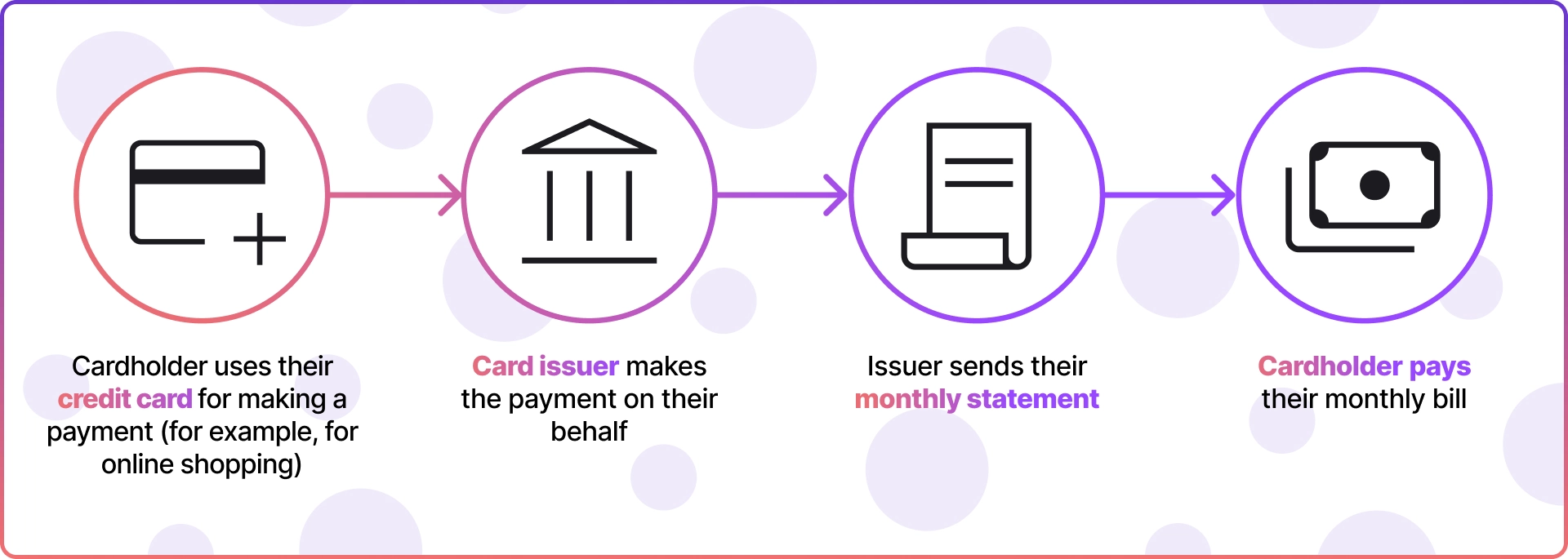
Using a credit card is simple, but understanding the process can help you use it more effectively. Whenever you swipe your card or make an online payment, the bank pays the merchant on your behalf. This amount is then added to your credit card balance.
At the end of the billing cycle, the bank generates a statement that includes all your transactions, the total outstanding amount, and the due date. You are then required to repay either the full amount or at least the minimum due before the deadline.
If you pay the full amount within the due date, you usually don’t have to pay any interest. This is known as the interest-free period, and it is one of the biggest advantages of using a credit card. However, if you choose to pay only a part of the bill, the remaining balance starts accumulating interest, which can quickly grow into a large amount.
How to Use a Credit Card Smartly
Using a credit card wisely is all about discipline and awareness. It’s not just about spending—it’s about managing your money responsibly.
The first and most important habit is to always pay your full bill on time. This simple practice ensures that you avoid interest charges and maintain a good credit score. Many people fall into the trap of paying only the minimum due, thinking it’s enough. While it keeps your account active, it also increases your financial burden due to interest.
Another important aspect is controlling your spending. Credit cards can make it easy to overspend because you’re not paying immediately. That’s why it’s important to treat your credit card like cash—only spend what you can comfortably repay at the end of the month.
Keeping track of your transactions is equally important. Regularly checking your statement helps you understand your spending habits and also protects you from fraud or unauthorized transactions.
You should also be mindful of your credit utilization, which is the percentage of your credit limit that you use. A high utilization ratio can negatively impact your credit score. Ideally, you should try to keep your usage below 30–40% of your total limit.
Tips for Beginners
If you are new to credit cards, following a few simple tips can help you avoid common mistakes:
- Always pay your bill before the due date
- Avoid withdrawing cash using your credit card
- Don’t apply for multiple cards at the same time
- Use rewards and cashback offers wisely
- Set reminders or auto-pay to never miss a payment
These small habits can make a big difference in how effectively you manage your credit card.
Benefits of Using a Credit Card
When used responsibly, credit cards offer several advantages. They make transactions quick and convenient, especially for online payments. They also help you build a strong credit history, which is important if you plan to take loans in the future.
Many credit cards come with additional benefits such as cashback, reward points, discounts, and travel perks. These features can help you save money on your regular expenses. Credit cards also provide an extra layer of security, as you can dispute unauthorized transactions and get protection against fraud.
Another important benefit is that credit cards can act as a financial backup during emergencies. Whether it’s a medical situation or an urgent expense, having a credit card can provide immediate financial support.
Common Mistakes to Avoid
Despite their benefits, credit cards can become problematic if not used carefully. One of the most common mistakes is missing the payment deadline, which leads to late fees and negatively affects your credit score.
Overspending is another major issue. Since credit cards don’t require immediate payment, people often lose track of their expenses and end up spending more than they can afford.
Ignoring monthly statements is also risky. It can result in unnoticed errors or fraudulent transactions. Additionally, using the full credit limit or applying for too many cards in a short period can harm your financial profile.
Conclusion
A credit card is a powerful financial tool, but its usefulness depends entirely on how you use it. When managed properly, it can help you build a strong credit score, earn rewards, and handle expenses efficiently. On the other hand, careless usage can lead to debt and financial stress.
The key to using a credit card smartly is simple—spend within your limits, pay your bills on time, and stay aware of your financial habits. If you follow these principles, a credit card can become a valuable part of your financial journey rather than a burden.