
In today’s fast-moving world, carrying cash is no longer a necessity. Whether you’re buying groceries, paying bills, or shopping online, debit cards have become an essential part of everyday life. They offer convenience, speed, and control over your finances—making them one of the most widely used financial tools globally. But despite how common they are, many people still don’t fully understand how debit cards work or why they matter.
This guide breaks down everything you need to know about debit cards in a simple, practical way—so you can use them with confidence.
What Is a Debit Card?
A debit card is a payment card linked directly to your bank account. When you use it to make a purchase, the money is instantly deducted from your account balance. Unlike credit cards, which allow you to borrow money and pay it back later, debit cards only let you spend what you already have.
Think of a debit card as a digital version of cash. Instead of physically handing over money, you’re authorizing your bank to transfer funds directly from your account to the seller.
How Do Debit Cards Work?
Using a debit card might feel effortless, but there’s actually a secure process happening behind the scenes every time you swipe, tap, or enter your card details.
Here’s a simple breakdown:
- Transaction Initiation
When you use your debit card at a store or online, you provide your card details—either by inserting the card, tapping it, or entering the card number. - Authentication
Depending on the type of transaction, you may need to enter a PIN (Personal Identification Number) or use an OTP (One-Time Password) for online payments. - Bank Verification
Your bank checks if you have enough balance in your account to complete the transaction. - Approval or Decline
If sufficient funds are available, the bank approves the transaction. Otherwise, it gets declined. - Money Deduction
Once approved, the amount is deducted from your account—usually instantly or within a short time.
This entire process takes just a few seconds, making debit cards one of the fastest ways to pay.
Types of Debit Cards
Not all debit cards are the same. Depending on your bank and usage, you might come across different types:
- Standard Debit Cards: Basic cards for everyday transactions.
- Contactless Debit Cards: Allow you to tap and pay without entering a PIN for small purchases.
- International Debit Cards: Can be used for transactions abroad or on international websites.
- Virtual Debit Cards: Digital versions used mainly for online transactions.
- Prepaid Debit Cards: Loaded with a fixed amount of money, not directly linked to a bank account.
Each type serves a slightly different purpose, but they all operate on the same core principle—spending your own money.
Benefits of Using a Debit Card
Debit cards are popular for good reason. They offer several advantages that make managing money easier:
1. Easy Access to Your Money
With a debit card, you can access your funds anytime—whether you’re shopping, withdrawing cash from an ATM, or paying bills online.
2. Helps You Stay Within Budget
Since you can only spend what you have, debit cards naturally encourage better financial discipline. There’s no risk of accumulating debt like with credit cards.
3. Widely Accepted
Debit cards are accepted almost everywhere—both online and offline—making them incredibly convenient.
4. Safe and Secure
Modern debit cards come with security features like PIN protection, OTP verification, and fraud detection systems.
5. No Interest Charges
Unlike credit cards, there’s no borrowing involved. This means no interest rates, late fees, or complicated billing cycles.
Common Uses of Debit Cards
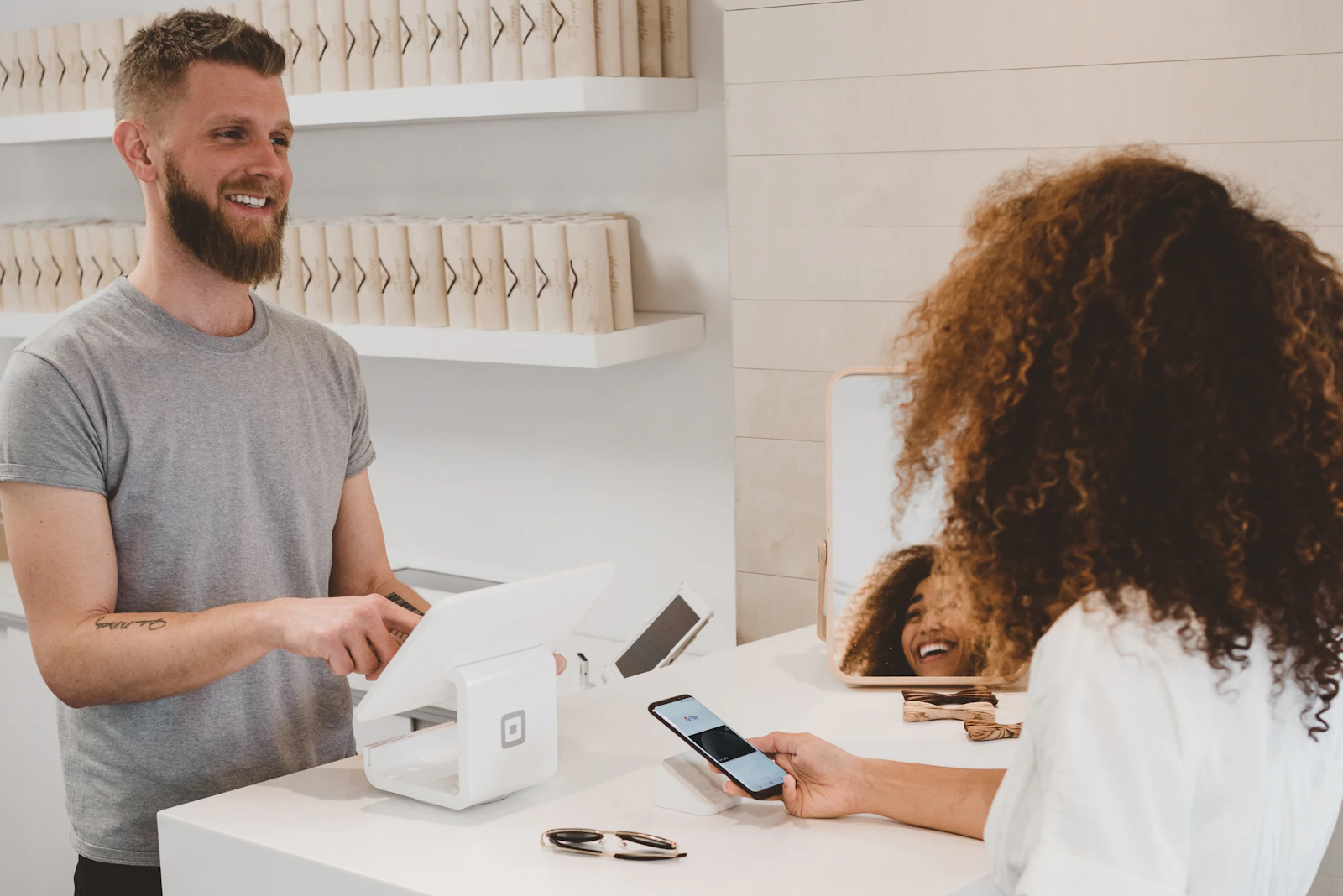
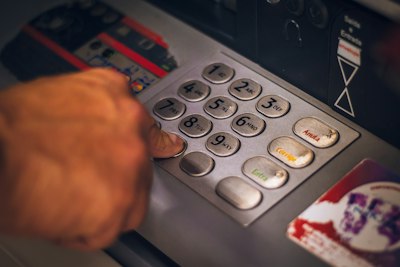
Debit cards are versatile tools used in many aspects of daily life:
- Paying for groceries, shopping, and dining
- Booking tickets and hotel reservations
- Online shopping and subscriptions
- Withdrawing cash from ATMs
- Paying utility bills like electricity and mobile recharge
Their flexibility makes them a go-to option for both small and large transactions.
Debit Cards vs Credit Cards: What’s the Difference?
A common question people have is how debit cards differ from credit cards. While they may look similar, their functionality is quite different.
- Source of Funds:
Debit cards use your own money, while credit cards use borrowed funds. - Spending Limit:
Debit card limits depend on your account balance. Credit cards have a predefined credit limit. - Interest Charges:
Debit cards don’t charge interest. Credit cards can charge high interest if dues aren’t paid on time. - Financial Discipline:
Debit cards help control spending, while credit cards require careful management to avoid debt.
Understanding this difference can help you choose the right card for your needs.
Safety Tips for Using Debit Cards
While debit cards are generally safe, it’s important to use them responsibly to avoid fraud or misuse.
- Keep Your PIN Confidential
Never share your PIN with anyone, even if they claim to be from your bank. - Use Secure Websites
When shopping online, make sure the website is trusted and secure. - Enable Transaction Alerts
SMS or app notifications can help you track every transaction in real time. - Avoid Public Wi-Fi for Payments
Public networks can be risky when entering sensitive information. - Report Lost Cards Immediately
If your card is lost or stolen, block it right away to prevent unauthorized use.
A little caution goes a long way in keeping your money safe.
Why Debit Cards Matter Today
Debit cards are more than just a payment method—they represent a shift toward a cashless and digitally connected world. They make financial transactions faster, easier, and more transparent.
For young adults and first-time earners, debit cards often serve as the first step into formal banking. They help build responsible spending habits and provide a sense of financial independence.
In many ways, debit cards bridge the gap between traditional banking and modern digital payments. They’re simple enough for beginners yet powerful enough for everyday financial management.
Conclusion
Debit cards have become an essential part of modern financial life, offering a simple and reliable way to manage everyday transactions. They combine the convenience of digital payments with the discipline of spending only what you have, making them a practical choice for people of all ages. From quick in-store purchases to secure online payments, debit cards make handling money easier, faster, and more transparent.
Understanding how debit cards work not only helps you use them more effectively but also empowers you to take better control of your finances. By staying mindful of your spending and following basic security practices, you can make the most of what debit cards offer without unnecessary risks.
In a world that is steadily moving toward cashless transactions, debit cards remain a trusted and accessible tool—helping you stay connected to your money anytime, anywhere.