
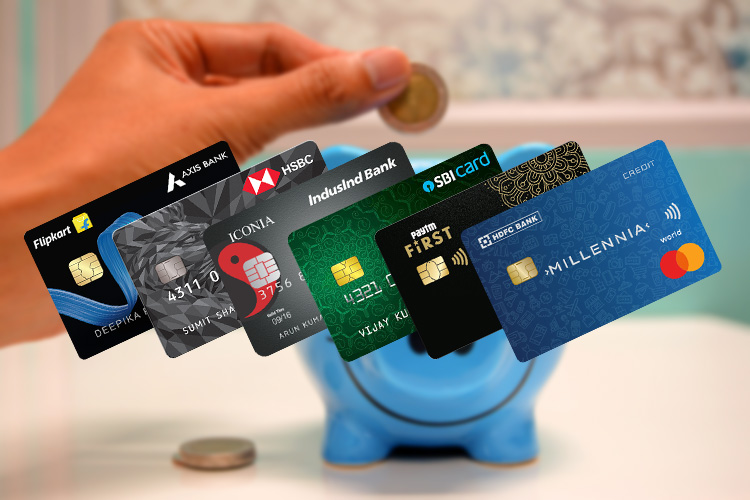
Choosing a credit card can feel confusing, especially when so many banks offer different rewards, cashback deals, discounts, and benefits. Some cards promise savings on shopping, while others focus on fuel, groceries, dining, or travel. With so many options available, it is easy to pick a card that looks attractive but does not really match your daily needs.
The truth is that the best credit card is not always the one with the biggest rewards or the most impressive offers. It is the one that makes your regular spending easier to manage and helps you get useful benefits without adding unnecessary costs.
Think about your usual monthly expenses. You might spend money on groceries, electricity bills, online shopping, petrol, food delivery, and occasional outings. These small payments may not seem like much individually, but together they can make up a large part of your monthly budget. A suitable credit card can help you earn rewards or cashback on some of these purchases.
However, choosing wisely takes a little research. Before applying, it is worth checking the fees, interest rates, reward conditions, and payment rules. Here are some practical ways to find a credit card that works well for your everyday lifestyle.
1. Understand Your Everyday Spending Habits

Before comparing credit cards, take a closer look at where your money (opens in a new tab) usually goes. There is no point choosing a card that offers excellent travel rewards if you rarely book flights or hotels.
Start by checking your expenses from the last two or three months. Look at your grocery purchases, fuel payments, online orders, restaurant bills, and utility payments. This will help you understand which categories take up most of your budget.
For example, someone who regularly shops online may benefit from shopping-related cashback. On the other hand, a person who spends more on groceries and fuel may prefer a card that offers rewards in those categories.
You do not need to change your spending habits just to earn rewards. Instead, look for a card that fits naturally into the way you already spend money.
2. Compare Cashback and Reward Points
Cashback and reward points are two common benefits offered by credit cards. Both can be useful, but they work differently.
Cashback usually gives you a percentage of your eligible spending back as a credit or statement adjustment. Reward points collect over time and can sometimes be exchanged for shopping vouchers, products, travel bookings, or other benefits.
Before choosing between them, check how much value you actually receive.
For example, a card advertising 5% cashback may sound better than one offering reward points. However, the cashback might apply only to selected purchases, while the other card could offer rewards across several everyday categories.
Read the conditions carefully. Check whether there are monthly earning limits, minimum transaction amounts, excluded purchases, or expiry dates.
A simple reward system that you can understand is often more useful than a complicated programme with benefits that are difficult to redeem.
3. Check Annual Fees and Other Charges
Annual Fee
Check the yearly fee before choosing a card. Make sure its benefits are worth the cost.
Joining Charges
Some cards charge a one-time joining fee. Check whether it fits your budget.
Late Payment Fee
Missing your payment deadline can lead to extra charges. Set reminders to stay on track.
Interest Charges
Check the interest rate on unpaid balances and try to pay your full bill on time.
A credit card may offer attractive rewards, but its fees can reduce the value of those benefits. This is why checking the cost of owning a card is just as important as comparing its offers.
Some cards have no joining or annual fees, while others charge a yearly amount for additional benefits. There may also be late payment charges, cash withdrawal fees, foreign transaction charges, and other costs.
Before applying, check these details:
Joining fee charged when you first receive the card.
Annual renewal fee after the first year.
Interest rate on unpaid balances.
Late payment charges.
Cash withdrawal and foreign currency fees.
Some banks offer annual fee waivers when you spend a certain amount during the year. This can be useful, but make sure the spending requirement is realistic for your budget.
Never spend extra money just to qualify for a fee waiver. Saving a small annual fee is not worth making unnecessary purchases.
4. Choose Benefits That Match Your Lifestyle
Every credit card is designed with a slightly different type of customer in mind. Some focus on shopping, while others offer benefits for dining, travel, fuel, entertainment, or regular household expenses.
Think about the purchases you make most frequently.
If you order groceries online every week, a card with grocery-related benefits could be helpful. If you regularly pay for fuel, check whether a fuel-focused card offers suitable savings. For people who enjoy eating out, dining discounts may provide better everyday value.
Also, pay attention to the places where rewards can be used. Some benefits are available only through selected stores or partner websites.
The goal is to find practical benefits that you will actually use. A card with fewer but relevant features can be more valuable than one packed with offers that do not suit your routine.
5. Look at the Interest Rate Carefully
One of the biggest mistakes people make is focusing only on rewards while ignoring the interest rate.
Credit cards are convenient, but carrying an unpaid balance can become expensive. If you pay only the minimum amount due, interest may continue to build on the remaining balance.
For example, imagine using your credit card for groceries, shopping, and monthly bills. If you do not pay the full statement balance by the due date, the interest charges can quickly outweigh the cashback or rewards you earned.
Before selecting a card, understand its interest rate, billing cycle, grace period, and payment terms.
The safest approach is to spend only what you can comfortably repay and clear the full outstanding statement balance on time. A credit card should support your financial routine, not become an extra monthly burden.
6. Check the Credit Limit and Eligibility
| Eligibility Factor | What to Check |
|---|---|
| 💼 Monthly Income | Check whether your regular income meets the bank's minimum requirement. |
| 📊 Credit Score | A healthy credit score and good repayment history can improve approval chances. |
| 📅 Age Requirement | Check the minimum and maximum age limits for your chosen card. |
| 💰 Existing Debts | Consider your current loans, EMIs, and other monthly financial commitments. |
| 💳 Credit Limit | Choose a limit that matches your income and repayment capacity. |
Credit card issuers usually consider your income, existing financial commitments, credit history, and repayment behaviour when reviewing an application.
Different cards may have different eligibility requirements. Some are designed for beginners, while others are intended for people with higher incomes or established credit histories.
You should also consider the credit limit offered by the bank. A higher limit does not mean you should spend more. It simply gives you access to more borrowing capacity.
Try to keep your credit card usage under control and avoid using most of your available limit every month. Regular payments and responsible spending can help you maintain a healthier credit profile.
If you are applying for your first credit card, look for a simple option with manageable fees and clear repayment conditions.
7. Read the Terms Before Applying
Credit card advertisements often highlight their most attractive benefits, but important conditions may appear in the detailed terms and conditions.
For instance, a cashback offer may apply only to certain merchants. Reward points might have a monthly limit, and some transactions may not qualify for rewards at all.
Take a few minutes to understand the complete offer before submitting your application.
Check whether the card has spending restrictions, reward redemption charges, excluded categories, or conditions for promotional offers. You should also understand what happens if you miss a payment or close the account.
If something is unclear, contact the bank and ask for an explanation. It is better to understand the rules before receiving the card than to discover unexpected charges later.
8. Compare a Few Cards Before Making a Decision
Do not apply for the first credit card that catches your attention. Comparing two or three suitable options can help you make a more confident decision.
Look at the annual fee, rewards, interest rate, spending categories, and additional benefits side by side.
Here is a simple comparison to help you understand what to look for:
Spending Need | Feature to Look For | Why It Matters |
|---|---|---|
Groceries | Grocery cashback or rewards | Helps with regular household purchases |
Online Shopping | Shopping discounts | Can reduce eligible shopping costs |
Fuel | Fuel-related benefits | Useful for regular fuel expenses |
Dining | Restaurant offers | Provides savings on eating out |
Monthly Bills | Utility payment rewards | May offer value on eligible bill payments |
Remember that these are features to compare, not guaranteed benefits on every card. Always check the bank's latest terms before applying.
9. Use Your Credit Card Responsibly

Getting the right card is only half the job. How you use it matters even more.
It can be tempting to make extra purchases when you see cashback offers, discount coupons, or special sale deals. However, these benefits are useful only when you were already planning to make those purchases.
A few simple habits can make credit card usage easier:
Pay your full statement balance before the due date.
Set payment reminders to avoid missing deadlines.
Check your monthly statement for unfamiliar transactions.
Avoid unnecessary cash withdrawals.
Keep track of your spending throughout the month.
You can also use your bank's mobile application to monitor transactions and receive payment notifications. Checking your account regularly helps you stay aware of your spending.
10. Think About Long-Term Value, Not Just Welcome Offers
Many credit cards attract new customers with joining bonuses, temporary discounts, and promotional rewards. These offers can be useful, but they should not be the only reason for choosing a card.
Think about how the card will benefit you after the introductory offer ends. Will you still earn useful rewards? Is the annual fee reasonable? Are the benefits available at places where you normally shop?
A good everyday credit card should continue to offer value throughout the year.
It is also worth reviewing your card once or twice a year. Your spending habits may change, and a card that suited you earlier might not be the best option anymore.
Final Thoughts
Choosing the best credit card for everyday spending does not have to be difficult. Start with your regular expenses, compare the available rewards, understand the fees, and check the repayment conditions.
FAQ's
1. How do I choose the best credit card for everyday spending?
Compare cashback, reward points, annual fees, and benefits based on your regular expenses.
2. Is a no-annual-fee credit card better?
It can be a good option, especially if you want to avoid yearly charges. Compare its rewards before deciding.
3. Are cashback credit cards worth using?
Yes, they can help you save on eligible purchases when you use the card responsibly.
4. Should I pay my full credit card bill every month?
Yes. Paying the full statement balance by the due date helps you avoid interest on unpaid balances.
5. Can a credit card help build my credit score?
Yes. Regular on-time payments and responsible credit usage can help build a positive credit history.