
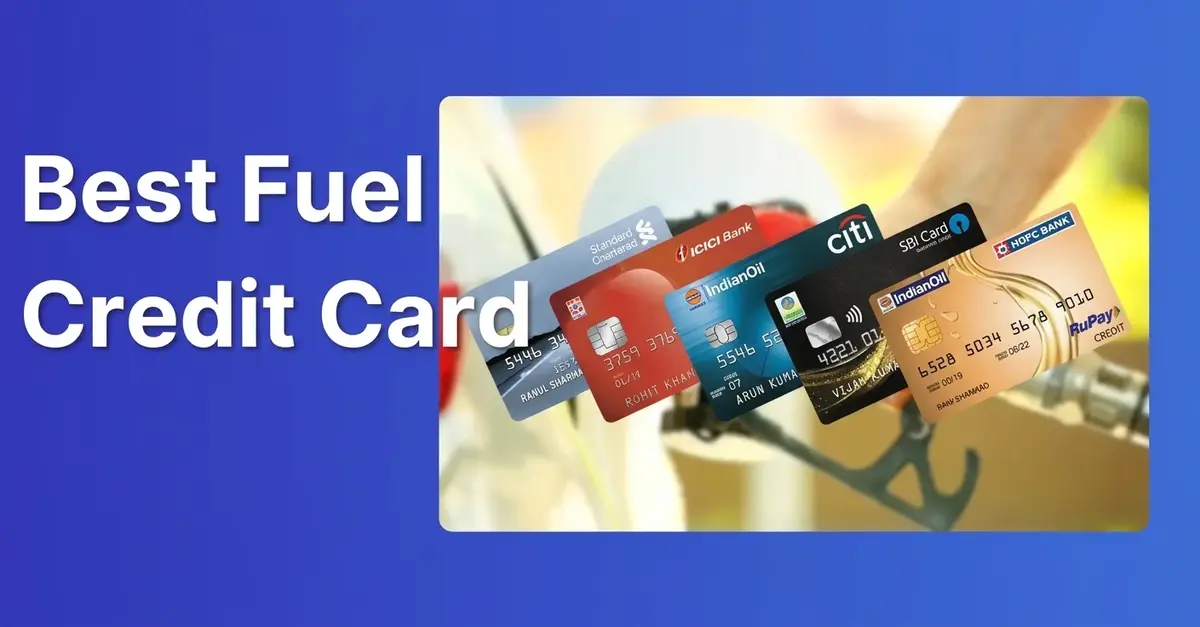
Shopping and fuel are part of everyday life, and they quietly eat up a big chunk of your monthly budget. Think about groceries, clothes, online orders and the petrol you put in your vehicle every week. Each payment looks small, but together they add up fast. The right credit card can give some of that money back through cashback, discounts, reward points and fuel benefits. That's what makes these cards worth a closer look. The trick is to pick one that actually fits the way you spend, not just the one with the flashiest ad.
Not every credit card offers the same perks. Some are built for online shopping, while others give better rewards at supermarkets, department stores or petrol pumps. If you choose without understanding the benefits, you can end up paying annual fees and interest you never planned for. A card that looks great on paper may do very little for your real spending.
In 2026, the best card is the one that matches your habits. Whether you shop online a lot or drive every day, a few key features can help you decide.
So let's see how to compare cards and choose one that gives you real value.
Why Shopping and Fuel Credit Cards Are Worth Considering
A regular credit card lets you buy now and pay later. A rewards-focused card goes a step further and gives extra benefits on eligible transactions. Someone who shops online often may get good cashback on selected platforms. A person who drives to work every day may find a fuel card more useful, since it can offer a surcharge waiver or reward points on petrol and diesel.
The main benefits include:
Cashback: A percentage of eligible spending comes back as a statement credit or another reward.
Reward points: Points you can redeem for vouchers, products or other perks.
Fuel surcharge waiver: Savings on eligible fuel purchases at participating petrol pumps.
Shopping discounts: Special deals during online sales and on selected retail purchases.
Exclusive offers: Discounts on dining, travel and lifestyle spending, depending on the card.
These benefits make everyday spending more valuable, as long as you use the card responsibly.
Understand Your Shopping and Fuel Spending Habits
Before you apply, look at where your money actually goes. It's the easiest way to avoid a card that looks attractive but doesn't suit you.
Check Your Monthly Shopping Expenses
Think about what you buy regularly. Do you order clothes, electronics, groceries or household items online? Or do you prefer walking into physical stores? Some cards give better rewards on online purchases, while others focus on certain retail partners or supermarkets. For example, if you buy groceries online every week, a card with grocery cashback will probably serve you better than one that only gives fashion discounts.
Calculate Your Monthly Fuel Expenses
Fuel costs depend on how far you travel, your vehicle's mileage and current fuel prices. If you commute long distances or travel by car often, fuel benefits can really matter. Work out your approximate monthly petrol or diesel spending before you compare cards. Someone spending ₹5,000 a month on fuel may gain from a proper fuel card, while someone spending only ₹800 might be better off with a general cashback card.
Compare Cashback and Reward Points
Cashback and reward points are the two most common features on shopping cards. Both reduce what you effectively pay, but their real value depends on the terms and how you redeem them.
Choose Cashback for Simple Savings
Choose Cashback for Simple Savings
Cashback is easy to understand because eligible spending earns a fixed percentage back. If a card gives 5% cashback and you spend ₹2,000, you could earn ₹100, subject to the card's conditions and monthly limits.
CASHBACK EXAMPLE
5% cashback on eligible spending
What to Check Before Applying
Smart Tip: Some cards advertise a high cashback rate but apply it only to selected merchants or specific transactions. Always read the card's terms before applying.
Reward points are useful if you actually redeem them. But earning a huge number of points doesn't automatically mean a good deal. Look at the redemption value, expiry rules and available options. Some cards give better value through shopping vouchers, while others offer different benefits. Always compare the real money value of the rewards instead of just counting points.
Check Fuel Surcharge Waiver Benefits
A fuel surcharge waiver is one of the most important features of a fuel credit card. When you pay for petrol or diesel by card, a surcharge may be added to the transaction. Some cards waive this charge on eligible fuel purchases, though the waiver usually comes with conditions.
Important things to check:
Minimum and maximum eligible transaction amounts
Monthly waiver limits
Participating fuel station networks
Exclusions and transaction conditions
Taxes or charges that may still apply
For instance, a card may offer a 1% surcharge waiver, but only within a certain transaction range and monthly cap. Also remember that a surcharge waiver is not a discount on the actual price of petrol or diesel. Read the terms carefully so you know your real savings.
Compare Annual Fees and Hidden Charges
A card with great rewards can still turn expensive if it has a high joining fee or annual charge. Some banks offer lifetime-free cards, while others waive the annual fee once you cross a certain spending amount. Compare the total cost before you decide.
Here are the charges worth reviewing:
Credit card charge | What to check |
|---|---|
Joining fee | One-time fee when the card is issued |
Annual fee | Yearly card maintenance cost |
Late payment fee | Charge for missing the payment deadline |
Interest rate | Cost of carrying unpaid balances |
Fuel surcharge | Extra charge on eligible fuel transactions |
Foreign transaction fee | Charge on international transactions |
Also see whether the bank waives the annual fee after you reach a spending target. If a card charges ₹1,000 a year but gives you rewards worth ₹1,500, it can still be worth it. But if you rarely use its benefits, paying that fee doesn't make much sense.
Check Credit Card Eligibility Requirements
Before applying, understand the bank's eligibility rules. Every issuer has its own approval criteria, which may include age, income, employment status, credit history and existing financial commitments.
Maintain a Healthy Credit Score
Your credit score is something lenders look at when reviewing your application. A stronger credit history can improve your chances of getting a good card offer, although approval is never guaranteed.
Some habits that help:
Pay your credit card bills on time.
Avoid using most of your available credit limit.
Check your credit report regularly.
Don't submit many card applications in a short period.
Keep old credit accounts in good standing.
If this is your first credit card, look at beginner-friendly options with reasonable fees and easier eligibility.
Look for Shopping Partnerships and Exclusive Offers
Many shopping cards are tied to specific online marketplaces, retail brands or shopping platforms. These tie-ups can bring extra discounts during sales. Some cards give extra cashback on selected e-commerce purchases, while others offer discounts at clothing stores, electronics shops or supermarkets. Before choosing, check whether the partner merchants match where you actually shop.
Shopping benefits to look for:
Discounts during festive and seasonal sales
Cashback on eligible online purchases
Reward points on selected retail spending
Special offers on groceries and daily essentials
Discounts at partner restaurants and lifestyle stores
Don't pick a card just because it advertises a big discount. Check the minimum spend, the maximum discount and how long the offer lasts. A discount on something you don't need won't help your budget at all.
Understand Reward Exclusions and Spending Limits
Here's a detail many people miss: not every transaction earns rewards. Issuers may leave out certain categories from cashback or points. Depending on the card, exclusions can include fuel, rent, wallet loading, government payments, utility bills and more.
A shopping card, for example, may give cashback on online purchases but exclude fuel payments. A fuel-focused card may offer a surcharge waiver without giving regular reward points on petrol.
Check these details before applying:
Monthly cashback earning limits
Reward point earning caps
Excluded transaction categories
Minimum spending requirements
Reward point expiry dates
Redemption fees and conditions
Reading the card's Most Important Terms and Conditions (MITC) will help you understand these restrictions clearly.
Consider Security and Digital Payment Features
Online shopping and digital fuel payments are convenient, but security should never be ignored. Choose a card that has useful safety features and lets you manage transactions easily through its mobile app.
Features worth looking for:
Instant transaction alerts
Online and international transaction controls
Contactless payment options
Temporary card blocking
Transaction limits and spending controls
Fraud reporting and good customer support
When shopping online, avoid saving your card details on unfamiliar websites. Never share your OTP, PIN or CVV with anyone who claims to be from your bank. These simple habits go a long way in protecting you from unauthorised transactions.
Should You Choose One Card or Separate Shopping and Fuel Cards?
It depends on how much you spend and how often you use each category. If your shopping and fuel expenses are fairly low, a single cashback card may be enough, and it keeps bill management simple. People with higher spending in both areas may find separate cards more useful. For example, someone who spends ₹8,000 on online shopping and ₹6,000 on fuel every month may want to compare a shopping card with a fuel card.
Just don't collect cards without a clear purpose. More cards mean more billing dates, fees and limits to keep track of.
Common Mistakes to Avoid When Choosing a Credit Card
Even a good card can become costly if you don't use it carefully. Keep these mistakes in mind:
Choosing only for cashback: A high percentage may come with strict conditions and low monthly limits.
Ignoring annual fees: Always compare yearly charges with the benefits you'll really use.
Missing payment deadlines: Late payments add charges and can hurt your credit history.
Spending more just to earn rewards: Don't buy things you don't need to hit a cashback or fee-waiver target.
Ignoring fuel exclusions: Check whether fuel earns reward points or only gets a surcharge waiver.
Paying only the minimum amount: Carrying an unpaid balance can lead to heavy interest charges.
The RBI's credit card directions require issuers to disclose key information about interest rates, annual fees and other charges, so it's worth reading these details before you apply.
Final Thoughts
Choosing the best shopping and fuel credit card in 2026 doesn't mean going for the one with the longest list of benefits. It means finding the one that matches your regular expenses and gives you genuine savings.
Compare cashback rates, reward points, fuel surcharge waivers, annual fees and spending limits before you decide. And whenever possible, pay your outstanding balance in full by the due date.
A well-chosen card can make everyday shopping and fuel payments more rewarding. With responsible spending and a clear understanding of the terms, you can enjoy the benefits without putting extra pressure on your monthly budget.
Frequently Asked Questions
What is a shopping credit card?
A shopping credit card offers cashback, discounts and reward points on eligible online and offline purchases.
What are the benefits of a fuel credit card?
Fuel credit cards may offer fuel surcharge waivers, reward points and special benefits on eligible petrol and diesel purchases.
Can I use a shopping credit card for fuel payments?
Yes, but fuel rewards and surcharge waivers depend on the card's terms and conditions.
Are shopping and fuel credit cards worth it in 2026?
They can be useful for regular shoppers and vehicle owners who want to save on everyday expenses.
What should I check before applying for a credit card?
Compare annual fees, cashback offers, reward points, fuel benefits, interest rates and eligibility requirements.