
Your credit score plays an important role in your financial life. Whether you plan to apply for a personal loan, home loan, car loan, or credit card, lenders may use your credit history to understand how responsibly you manage borrowed money.
A strong credit score (opens in a new tab)can improve your chances of loan approval and may help you qualify for more favourable interest rates and credit terms. However, building a healthy score takes time, consistent repayments, and careful financial planning.
The good news is that you do not need complicated financial strategies to improve your credit profile. Simple habits such as paying bills on time, keeping credit card balances under control, and checking your credit report regularly can make a difference.
In this guide, you will learn 10 practical ways to improve your credit score, avoid common mistakes, and build a stronger credit history.
What Is a Credit Score?
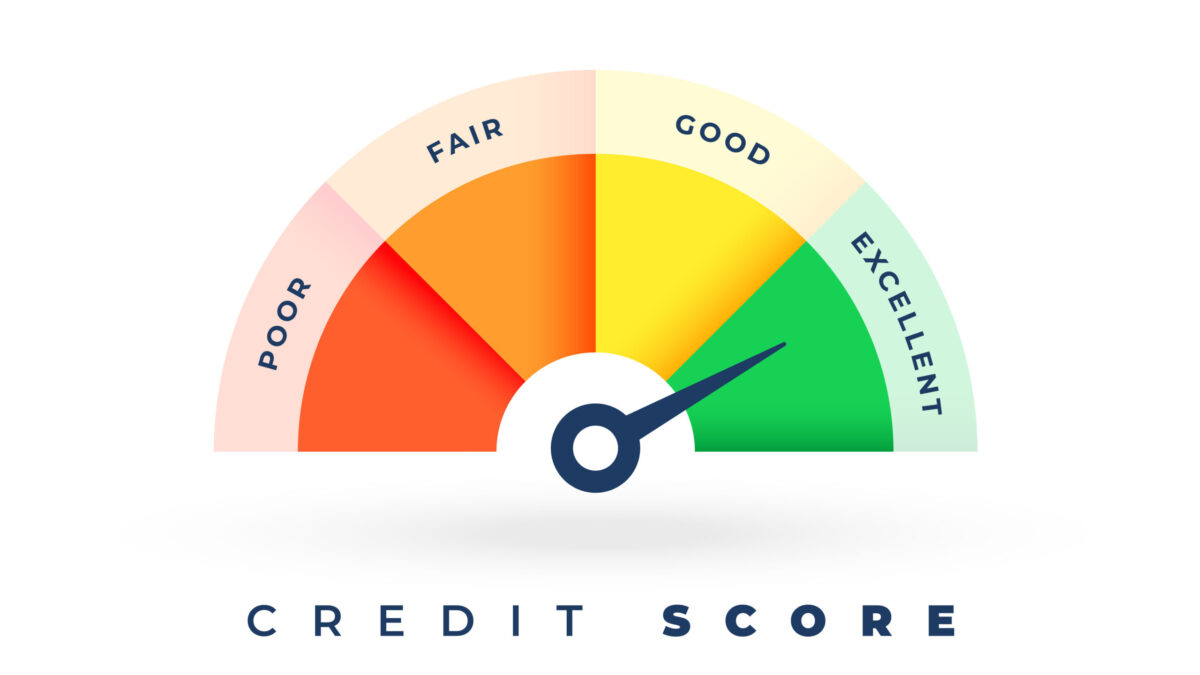
A credit score is a three-digit number that represents your creditworthiness based on information in your credit history. It helps lenders assess how you have managed loans, credit cards, repayments, and outstanding balances.
In India, credit scores are provided by credit information companies such as TransUnion CIBIL. Other credit bureaus include Experian, Equifax, and CRIF High Mark.
A CIBIL score generally ranges from 300 to 900. A higher score is usually viewed more favourably by lenders, although every lender has its own eligibility criteria and approval process.
Why Is a Good Credit Score Important?
Maintaining a healthy (opens in a new tab) credit score can be useful when you need access to credit. It may help you:
Improve loan eligibility: A strong credit history can support your loan application.
Access better loan terms: Some lenders may offer more favourable interest rates or terms to applicants with stronger credit profiles.
Apply for credit cards: Your score may be one of the factors considered during credit card approval.
Build financial credibility: Consistent repayments demonstrate responsible credit management.
Prepare for future borrowing: A healthy credit profile can be helpful when planning major expenses such as a home or vehicle purchase.
Remember that a good score does not guarantee approval. Income, existing debt, employment, repayment capacity, and lender policies also matter.
10 Smart Tips to Improve Your Credit Score
1. Pay Your EMIs and Credit Card Bills on Time
Payment history is an important factor in your credit profile. Missing an EMI or delaying a credit card payment can negatively affect your credit score.
Make sure you pay at least the required amount by the due date. Whenever possible, pay the full credit card statement balance to avoid interest charges and prevent debt from building up.
Helpful habits:
Simple Ways to Never Miss a Payment
Build a reliable repayment routine with these four practical habits.
Set Payment Reminders
Set reminders a few days before your credit card bill or EMI due date so you have enough time to arrange the payment.
Use Automatic Payments
Enable automatic payments where appropriate to reduce the risk of forgetting a scheduled bill or repayment.
Maintain Sufficient Balance
Keep enough money in your bank account to cover scheduled EMIs and automatic payments on their due dates.
Check Payment Confirmations
After making a transaction, check your bank statement or payment notification to confirm that the payment was successful.
Consistent on-time payments can help you establish a more reliable repayment history.
2. Keep Your Credit Card Utilization Low
Credit utilization refers to the percentage of your available credit limit that you are currently using.
For example, if your credit card limit is ₹1,00,000 and your outstanding balance is ₹30,000, your utilization is 30%.
Using a large portion of your available credit may make lenders view you as more dependent on borrowed money. Keeping utilization relatively low can support a healthier credit profile.
Practical ways to manage utilization:
Avoid using your entire credit limit.
Pay outstanding balances regularly.
Spread spending across cards only if you can manage them responsibly.
Request a higher limit only when it suits your financial situation.
A commonly used guideline is to keep utilization below 30%, but this is not a guaranteed scoring threshold.
3. Check Your Credit Report Regularly
Your credit report contains details about your credit accounts, repayment history, outstanding balances, and credit enquiries.
Reviewing it regularly can help you identify incorrect information, unfamiliar accounts, or payment records that have not been updated correctly.
Look for:
Warning Signs to Look for in Your Credit Report
Review your credit report carefully and look for details that may be incorrect, unfamiliar, or outdated.
Unrecognized Loans
Look for loans or credit accounts that you never applied for or authorized.
Incorrect Personal Details
Check your name, contact information, address, and account details for errors.
Wrong Overdue Payments
Verify whether payments are incorrectly shown as late or overdue despite being paid on time.
Accounts Not Closed
Check whether loans or credit accounts you have already closed are still listed as active.
Duplicate Entries or Unknown Enquiries
Look for repeated account listings or credit enquiries you do not recognize.
Contact the relevant lender and raise a dispute with the credit bureau. Keep supporting documents and follow up until the information is reviewed and corrected, if the dispute is valid.
If you find an error, raise a dispute with the relevant credit bureau and contact the lender responsible for the information.
4. Avoid Applying for Too Many Credit Cards or Loans
Every time you apply for a loan or credit card, the lender may make a hard enquiry on your credit report. Several applications within a short period can affect your credit profile and may make you appear credit-hungry.
Before applying, compare available options and check the eligibility requirements.
A smarter approach:
Apply only when you genuinely need credit.
Research lender requirements before submitting an application.
Avoid making multiple applications at the same time.
Review your existing borrowing before taking another loan.
Being selective with credit applications can help you manage your credit history more carefully.
5. Maintain a Healthy Mix of Credit
Your credit profile may include different types of borrowing, such as secured loans and unsecured credit.
Two Main Types of Credit
Understand how secured and unsecured credit differ before choosing a borrowing option.
Secured Credit
Secured credit is borrowing backed by an asset or security. The lender may have a claim over that asset if the borrower fails to repay according to the loan terms.
Unsecured Credit
Unsecured credit generally does not require collateral. Approval often depends on factors such as income, repayment history, and creditworthiness.
A balanced credit history may be viewed positively by some lenders. However, you should never take out a loan simply to create a credit mix.
Choose credit products based on your actual financial needs and repayment capacity.
6. Avoid Closing Old Credit Accounts Without a Good Reason
Older credit accounts can contribute to the length of your credit history. Closing an account may change your overall credit profile, depending on how the credit bureau calculates your score.
Before closing an old credit card, consider its annual fees, usage, benefits, and impact on your overall credit utilization.
If the card has no unnecessary costs and you can manage it responsibly, keeping it open may be worth considering.
However, do not keep an expensive or unsuitable card only to protect your credit score.
7. Pay More Than the Minimum Due on Credit Cards
Paying only the minimum amount due can help you avoid being marked late when the payment reaches the lender on time. However, it does not clear your outstanding balance.
The remaining amount may continue to attract interest, making it harder to manage your debt.
Whenever possible:
Practical Ways to Manage Credit Card Debt
Build healthier repayment habits with a clear monthly plan and better control over your spending.
Pay the Full Statement Balance
Pay your full credit card statement balance by the due date whenever possible to avoid interest on eligible purchases.
Limit Unnecessary Spending
Avoid non-essential purchases when you already have outstanding debt. Focus on spending within your repayment capacity.
Create a Monthly Repayment Budget
Set aside a specific amount for credit card payments each month and include it in your regular household budget.
Prioritize High-Interest Balances
Pay at least the required minimum on every account, then direct extra repayment money towards balances with the highest interest rates.
Reducing outstanding debt can also help keep your credit utilization under control.
8. Avoid Becoming a Loan Guarantor Without Understanding the Risk
When you become a guarantor or co-borrower, you may take on financial responsibility if the primary borrower fails to repay the loan.
Missed payments or defaults associated with the guaranteed loan may affect your credit profile, depending on how the account is reported.
Before agreeing to become a guarantor:
Understand the loan amount and repayment terms.
Review the borrower's repayment capacity.
Consider whether you could manage the liability if necessary.
Read the agreement carefully.
Never agree to guarantee a loan without understanding the potential financial consequences.
9. Clear Outstanding Dues and Resolve Defaulted Accounts
Unpaid credit card bills, overdue EMIs, and loan defaults can damage your credit history.
If you have missed payments, take steps to resolve the outstanding amount as soon as possible.
Start by contacting your lender to understand the total dues, applicable charges, and available repayment options.
Keep in mind that settling a loan for less than the full amount owed may be reported differently from closing it after full repayment. A status such as "settled" can be viewed less favourably than "closed" by future lenders.
After making a payment, check your credit report to confirm that the account information has been updated correctly.
10. Be Patient and Build Consistent Financial Habits
Improving your credit score is not an overnight process. Your credit profile changes as lenders report updated account and repayment information to credit bureaus.
If your score is low, focus on improving the habits that influence your credit history.
Create a realistic repayment schedule, avoid unnecessary borrowing, maintain manageable balances, and review your credit report regularly.
Consistent financial behaviour over time is more useful than looking for quick fixes or shortcuts.
Factors That Affect Your Credit Score
Understanding what influences your credit score can help you focus on the right financial habits.
The major factors considered in a CIBIL score include:
Key Factors That Influence Your Credit Score
Your credit score reflects several aspects of how you manage borrowed money and credit accounts.
Payment History
Whether you pay your credit card bills and loan EMIs on time.
Credit Utilization
How much of your available credit limit you use.
Credit History Length
How long you have been managing credit accounts.
Credit Enquiries
How frequently lenders check your credit report after new applications.
Credit Account Activity
Your outstanding balances, repayment patterns, and account history.
Common Mistakes That Can Lower Your Credit Score
Even if you manage your finances carefully, certain mistakes can affect your credit profile. Try to avoid these habits:
Missing credit card payment deadlines.
Paying only the minimum amount due for long periods.
Using most of your available credit limit.
Applying for several loans within a short period.
Ignoring errors in your credit report.
Taking unnecessary loans to build a credit history.
Becoming a loan guarantor without understanding the responsibility.
Ignoring outstanding balances and overdue payments.
Avoiding these mistakes can help you maintain better control over your borrowing and repayment habits.
How Long Does It Take to Improve Your Credit Score?
There is no fixed timeline for improving a credit score. The time required depends on your existing credit history, the reason for a low score, and how consistently you follow responsible credit practices.
For example, someone with high credit card utilization may see changes after reducing outstanding balances and the lender reports the updated information. However, a person with missed payments or loan defaults may need a longer period of consistent repayment behaviour.
Credit information is reported by lenders to credit bureaus periodically, so changes may not appear immediately. Patience and regular monitoring are important.
How to Check Your Credit Score in India
Checking your credit score can help you understand your current credit position and identify areas that need attention.
You can follow these general steps:
How to Check Your Credit Score in India
Follow these five simple steps to access your credit score and understand your credit report.
Visit the Official Credit Bureau Website
Start by visiting a recognised credit bureau website, such as TransUnion CIBIL, to access your credit information.
Select Credit Score and Report
Find the option to check your credit score and request your credit report. Review the available access options.
Enter Your Personal Details
Provide the information requested by the credit bureau, making sure your details are accurate and up to date.
Complete Identity Verification
Follow the verification instructions provided on the official website to confirm your identity securely.
Review Your Credit Report
Check your credit score, repayment history, outstanding balances and account details. Look for any errors that may need correction.
Under RBI directions, eligible individuals can access one free full credit report, including their credit score, from each credit information company once per calendar year. TransUnion CIBIL also provides its free annual report through its official website.
Official resource: Check your free CIBIL score and report (opens in a new tab).
A Simple Monthly Credit Score Improvement Checklist
Building better credit habits becomes easier when you follow a regular routine.
Pay all credit card bills and EMIs before their due dates.
Review your credit card balances.
Keep credit utilization under control.
Avoid unnecessary loan and credit card applications.
Check your account statements for incorrect charges.
Review your credit report for unfamiliar accounts or errors.
Make a plan to reduce outstanding debt.
Following this checklist can help you stay organized and develop more responsible borrowing habits.
Conclusion
Improving your credit score is about building consistent financial habits rather than finding a quick solution. Paying bills on time, managing credit card utilization, reviewing your credit report, and avoiding unnecessary borrowing can help strengthen your credit profile over time.
If your current score is lower than expected, do not get discouraged. Start by identifying the factors affecting your credit history and take practical steps to address them. With patience and responsible credit management, you can work towards a healthier financial future.
FAQ'S
Frequently Asked Questions
Find answers to common questions about credit scores and responsible credit management.