
In a surprising development (opens in a new tab), newly constructed naval frigates have encountered significant setbacks after reports revealed they were built in the wrong order. While this might sound like a minor sequencing issue, in reality, it has triggered delays, cost overruns, and operational concerns. In high-precision defense manufacturing, even a small deviation from the plan can lead to major consequences.
This incident highlights how critical planning and execution are in modern shipbuilding, where vessels are not just machines but complex floating systems packed with advanced technology.
Understanding the Importance of Frigates
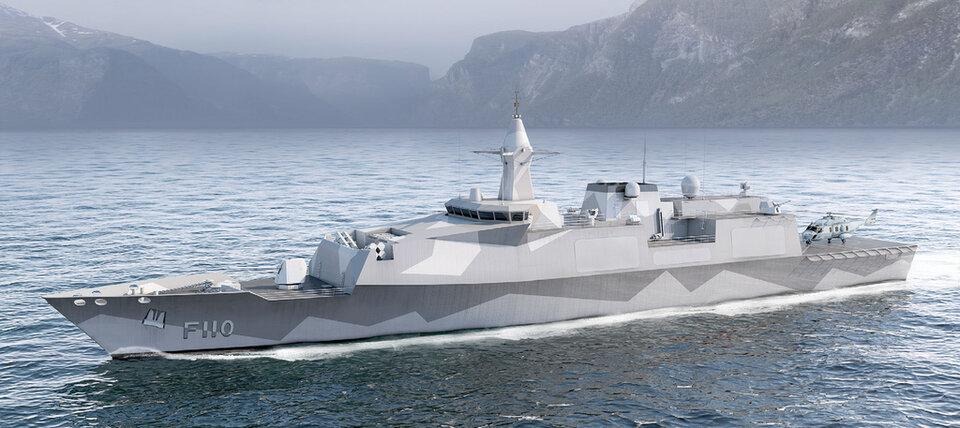
Frigates are among the most versatile assets in a navy’s fleet. They are designed to perform a wide range of missions—from escorting larger ships to defending against air and underwater threats.
Their flexibility and cost-effectiveness make them a key component of maritime strategy.
Because of their importance, frigates are built with extreme precision, following a strict sequence of construction and integration.
What Exactly Went Wrong?
The issue arose during the modular construction phase. Modern warships are built in sections (or blocks), which are later assembled into a complete vessel. In this case, some of these sections were constructed or installed out of sequence.
This created complications during the integration phase. Systems (opens in a new tab) that were supposed to be installed earlier became difficult to access, and alignment between different modules was affected. As a result, engineers now face the challenge of reworking parts of the ship to ensure everything fits and functions correctly.
Why Construction Sequence Is Critical
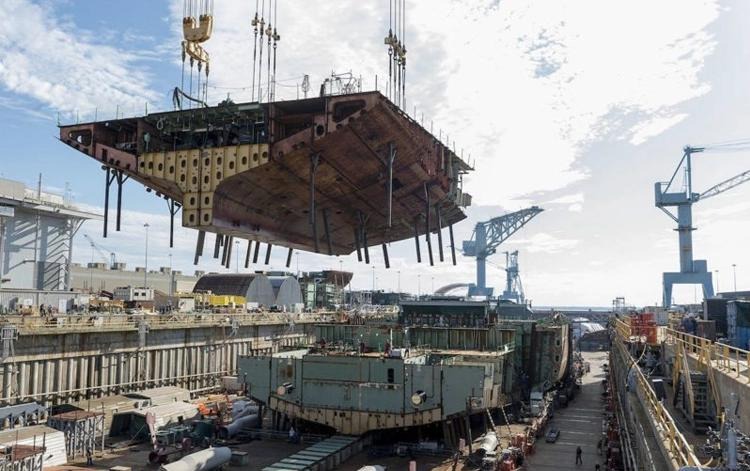
Shipbuilding is a step-by-step process where each phase depends on the successful completion of the previous one. When the order is disrupted, it can affect everything from physical structure to system performance.
The sequence ensures that internal systems, wiring, and heavy equipment are installed before access points are closed off. If this order is ignored, fixing mistakes later becomes much more complicated.
Impact of the Setback
The consequences of this error are already being felt across multiple areas:
- Delays in deployment (opens in a new tab): The frigates will not be ready for service as originally planned.
- Increased costs (opens in a new tab): Rework and additional labor significantly raise the project budget.
- Operational concerns (opens in a new tab): Delayed delivery affects naval readiness and strategic planning.
These impacts show how even a technical mistake can have wider defense implications.
What Led to This Situation?

Although the exact cause may vary, such issues typically stem from a mix of operational and management (opens in a new tab) challenges. Complex defense projects involve multiple teams working simultaneously, and any misalignment can disrupt the workflow.
Factors like supply chain delays, communication gaps, or insufficient oversight can push teams to alter sequences, sometimes leading to unintended consequences like this one.
Can the Problem Be Resolved?
Yes, but not without effort. Engineers can correct the issue by carefully dismantling and reassembling affected sections or by modifying designs to fit the existing structure. However, both approaches require time, additional funding, and extensive testing to ensure the ship meets safety and performance standards.
What This Means for the Future
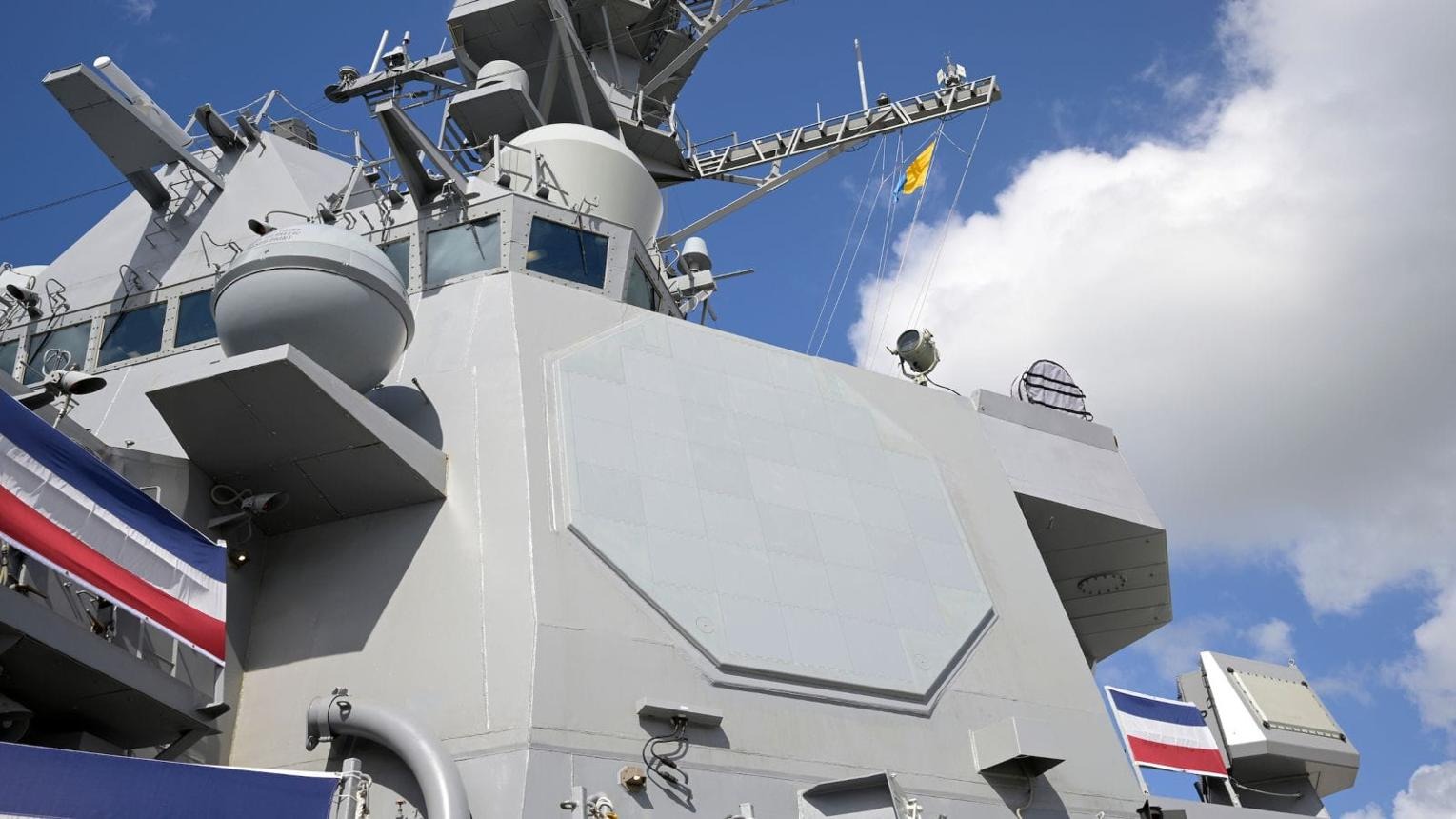
This incident serves as an important lesson for future naval projects. As warships become more advanced (opens in a new tab), the margin for error continues to shrink. Even small process failures can lead to large-scale disruptions.
It also emphasizes the need for better planning tools, stronger quality control systems, and improved coordination among teams involved in such high-stakes projects.
Conclusion
The setback faced by the Navy’s new frigates is a clear reminder that precision and discipline are essential in complex engineering projects. Building warships is not just about advanced technology (opens in a new tab)—it’s about executing every step in the right order.
While the issue can be fixed, the delays and costs involved highlight the importance of getting things right the first time. In the world of defense, where timing and reliability are critical, such lessons are invaluable for shaping more efficient and resilient shipbuilding practices in the future.