
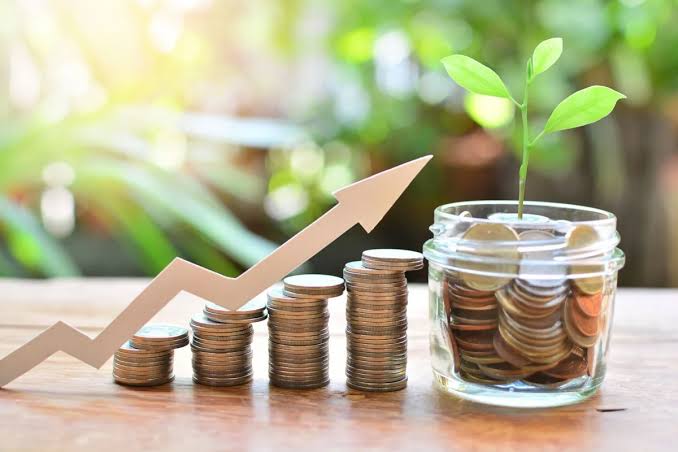
Saving money does not mean giving up the things you enjoy. In fact, learning how to manage your finances wisely can give you more opportunities to travel, explore new experiences, enjoy hobbies, and achieve personal goals without constantly worrying about expenses.
Many people believe that enjoying life requires spending more money. Whether it is planning a vacation, visiting a new city, shopping for something special, or spending quality time with family, everyday experiences can sometimes become expensive. However, with thoughtful planning and better financial habits, it is possible to enjoy more while spending less.
The idea behind saving money and exploring more is simple: make smarter financial decisions today so you can create more opportunities tomorrow.
From building a realistic budget and finding affordable activities to reducing unnecessary expenses and setting savings goals, small changes can make a meaningful difference. Let's explore practical ways to save money while still enjoying everything life has to offer.
1. Why Saving Money Is Important in Everyday Life

Money plays an important role in almost every part of daily life. From paying household bills and buying groceries to managing transportation and entertainment expenses, financial decisions influence how comfortably people live.
Without a proper savings plan, even a regular income can disappear quickly. Unexpected expenses, shopping habits, subscriptions, and frequent dining out can make it difficult to set money aside.
Saving provides a financial cushion and helps people prepare for future needs. It also creates opportunities to enjoy experiences without depending entirely on credit cards or borrowing.
Key Benefits of Saving Money
Financial security: Savings can help manage unexpected expenses.
Greater flexibility: Having money available makes it easier to plan activities and purchases.
Less financial stress: A savings cushion can reduce worries about future expenses.
Goal achievement: Regular saving can help fund vacations, education, home improvements, and other priorities.
Better spending habits: Budgeting encourages people to think carefully before making purchases.
The important thing is to make saving a regular habit rather than something you do only when extra money is available.
2. Create a Budget That Supports Your Lifestyle
A budget is one of the most useful tools for managing personal finances. It helps you understand how much money comes in, where it goes, and how much you can comfortably save.
Instead of following a complicated financial plan, start with a simple monthly budget.
Try the 50/30/20 Budgeting Rule
The 50/30/20 approach divides after-tax income into three spending categories.
Budget category | Suggested allocation | Examples |
|---|---|---|
Needs | 50% | Rent, groceries, utilities, transport |
Wants | 30% | Entertainment, shopping, dining |
Savings | 20% | Emergency funds, future goals |
For example, someone earning $3,000 per month after taxes could organise their budget like this:
Category | Monthly amount |
|---|---|
Essential expenses | $1,500 |
Personal spending | $900 |
Savings | $600 |
Total | $3,000 |
These percentages are guidelines, not strict requirements. People with different incomes, living costs, and responsibilities may need to adjust them.
Track Your Monthly Expenses
Start by recording your regular spending for one month. Include everything, from rent and electricity to coffee, online subscriptions, and small purchases.
Once you understand your spending patterns, identify areas where you can make realistic reductions.
For example, cancelling an unused subscription or preparing meals at home more frequently may free up money for your savings goals.
3. Set Clear Savings Goals Before You Spend
Saving becomes easier when you know what you are saving for.
A general goal such as "I want to save more money" may not provide enough motivation. Instead, choose specific financial targets with realistic deadlines.
Examples of Useful Savings Goals
Short-term goals
Saving for a weekend trip.
Purchasing a new laptop.
Building a small emergency fund.
Paying for a special occasion.
Medium-term goals
Planning an international holiday.
Saving for a vehicle.
Preparing for a home renovation.
Paying for professional courses.
Long-term goals
Building retirement savings.
Purchasing a house.
Creating long-term financial security.
Funding future education expenses.
A helpful approach is to divide a large goal into smaller monthly or weekly contributions.
For example, saving $100 every month for a year would create $1,200 in savings before any interest or investment returns.
4. Find Smart Ways to Reduce Everyday Expenses

You do not always need to make major lifestyle changes to save money. Often, the biggest improvements come from identifying small expenses that repeatedly affect your budget.
Reduce Unnecessary Subscriptions
Streaming platforms, music applications, fitness memberships, and digital services can create recurring monthly expenses.
Review your subscriptions regularly and ask yourself whether you genuinely use each service.
Canceling services that no longer provide value can help you redirect money towards more important goals.
Plan Your Grocery Shopping
Food is a regular household expense, but better shopping habits can help control the total bill.
Some practical ideas include:
Prepare a shopping list before visiting the supermarket.
Compare prices between different stores.
Purchase frequently used essentials in suitable quantities.
Avoid shopping when hungry.
Plan meals around ingredients you already have.
Reduce food waste by storing groceries properly.
Avoid Impulse Purchases
Online shopping makes it easy to purchase products immediately. However, not every attractive discount represents a necessary purchase.
Try waiting 24 hours before buying non-essential items. This gives you time to decide whether the product is genuinely useful.
Remember: Saving money is not about avoiding every purchase. It is about making sure your spending matches your priorities.
5. Explore More Without Spending Too Much
One of the most enjoyable ways to use your savings is to explore new places and experiences.
Travel, entertainment, outdoor activities, and local events do not always require a large budget. With a little research, you can find affordable ways to enjoy your free time.
Choose Affordable Travel Destinations
Some destinations offer excellent experiences without expensive accommodation or entertainment costs.
Consider places where you can enjoy public attractions, local food, outdoor activities, and affordable transportation.
Before booking a trip, compare:
Transportation expenses.
Accommodation prices.
Food costs.
Entry fees for attractions.
Local transportation options.
A destination that looks affordable initially may become expensive when additional costs are included.
Travel During Off-Peak Seasons
Travelling outside popular holiday periods can sometimes provide better prices and fewer crowds.
However, compare actual flight and hotel rates before booking because prices vary by destination, demand, and availability.
Enjoy Free and Low-Cost Activities
Exploring does not always mean travelling far away.
You can discover interesting experiences in your own city through:
Public parks and gardens.
Free museums and exhibitions.
Community festivals.
Local walking trails.
Beaches and nature reserves.
Public cultural events.
These activities can create memorable experiences without placing unnecessary pressure on your budget.
6. Make Technology Your Money-Saving Partner
Technology has made managing personal finances easier. Budgeting applications, banking tools, price comparison websites, and digital payment services can help people monitor their spending.
Instead of tracking every expense manually, you can use digital tools to organise financial information and understand spending patterns.
Useful Types of Financial Tools
Tool type | How it helps |
|---|---|
Budgeting apps | Organise income and expenses |
Expense trackers | Monitor daily purchases |
Savings calculators | Estimate future savings |
Banking apps | Review account activity |
Price comparison tools | Compare products and services |
Bill reminders | Help manage payment deadlines |
Choose tools that are easy to use and offer appropriate privacy and security protections.
Avoid sharing banking passwords or sensitive financial information with untrusted applications.
7. Build an Emergency Fund for Unexpected Expenses
Saving for enjoyable experiences is important, but financial preparation should also include unexpected situations.
An emergency fund can help cover expenses such as medical bills, urgent home repairs, temporary income interruptions, or essential vehicle repairs.
Without emergency savings, people may need to rely on expensive borrowing or use money intended for other financial goals.
How to Start an Emergency Fund
Calculate your essential monthly expenses.
Decide on an initial savings target.
Set aside a small amount regularly.
Keep emergency savings separate from everyday spending money.
Increase contributions whenever your financial situation allows.
A common long-term target is three to six months of essential living expenses, although the right amount depends on your income stability, responsibilities, and circumstances.
Even a small emergency fund is a useful starting point.
8. Save Money While Shopping and Enjoying Entertainment
Shopping and entertainment are important parts of everyday life. The goal is not to eliminate them but to enjoy them without overspending.
Shop With a Plan
Before purchasing anything, compare prices, read product reviews, and consider whether the item fits your budget.
Look for genuine seasonal discounts, loyalty benefits, and promotional offers. Avoid purchasing unnecessary products simply because they are advertised as limited-time deals.
Choose Affordable Entertainment
You can enjoy your favourite activities without spending a lot.
For example:
Watch movies at home occasionally.
Explore free community events.
Organise affordable outings with friends.
Try home-based hobbies.
Look for discounted attraction tickets.
Use library resources for books and digital content.
The best experiences are not always the most expensive ones. Spending quality time with friends and family can be more valuable than purchasing costly entertainment.
9. Develop Financial Habits That Last

Saving money becomes more effective when it turns into a consistent habit.
Many people start saving with enthusiasm but struggle to maintain the routine. The key is to create a system that works with your lifestyle.
Practical Habits to Follow
Pay yourself first: Set aside a planned savings amount when you receive your income rather than waiting until the end of the month.
Automate savings: Where available, schedule automatic transfers to a separate savings account.
Review your budget: Check your spending at least once a month.
Set spending limits: Give yourself realistic limits for shopping, dining, and entertainment.
Celebrate progress: Recognise small achievements to stay motivated.
Avoid unnecessary debt: Be careful with high-interest borrowing and understand repayment obligations before taking on debt.
These habits can gradually improve financial discipline and help you make better spending decisions.
10. Common Money-Saving Mistakes to Avoid
Sometimes, people struggle to save because their financial strategies are unrealistic or difficult to maintain.
Here are some common mistakes worth avoiding.
Common mistake | Better approach |
|---|---|
Setting unrealistic savings targets | Start with manageable amounts |
Ignoring small expenses | Track regular purchases |
Shopping because of discounts | Buy according to actual needs |
Not planning for emergencies | Build a separate emergency fund |
Forgetting annual expenses | Include them in your budget |
Depending entirely on credit cards | Plan purchases around available funds |
Never reviewing your budget | Check spending regularly |
One important lesson is that financial progress does not happen overnight. Consistent decisions are generally more sustainable than extreme spending restrictions.
11. How Saving Money Creates More Opportunities
Saving money is not simply about watching your bank balance grow. It is about creating opportunities and having greater control over your financial decisions.
When you manage your money wisely, you may find it easier to plan a holiday, pursue an educational opportunity, start a personal project, or prepare for an important life event.
It can also help you make decisions without feeling pressured by immediate financial concerns.
For example, someone who regularly saves for travel can plan a holiday with a dedicated budget rather than relying on borrowed money. Similarly, a person saving for professional development may have more flexibility when an interesting course becomes available.
The real value of saving is the freedom and flexibility it can create over time.
FAQ'S
Frequently Asked Questions
How can I save money while enjoying life?
Create a realistic budget, reduce unnecessary expenses, look for affordable activities, and set aside money regularly for experiences you enjoy.
What is the best way to start saving money?
Start by tracking your income and expenses. Set a small, achievable savings goal and gradually increase your contributions as your budget allows.
How can I explore new places on a budget?
Choose affordable destinations, travel during off-peak seasons, compare accommodation prices, and explore free local attractions and outdoor activities.
Why is budgeting important for financial planning?
Budgeting helps you understand your spending habits, control unnecessary expenses, prepare for emergencies, and work towards your financial goals.
How much money should I save every month?
The amount depends on your income and expenses. The 50/30/20 budgeting rule suggests saving around 20% of your after-tax income when practical, but you can start with a smaller amount.