

For years, financial success was often associated with working longer hours, cutting unnecessary expenses, building multiple income streams, and saving as much money as possible. Young professionals were encouraged to sacrifice their present comfort to achieve financial security in the future. However, a different mindset is becoming increasingly popular: soft saving.
Soft saving is about building financial stability without making every decision revolve around money. Instead of following strict budgets, avoiding every luxury, or working constantly to increase income, people adopting this approach try to balance their savings goals with their current lifestyle. They want to prepare for the future while still enjoying the present.
This shift reflects changing attitudes towards money, career growth, mental well-being, and personal priorities. For many young earners, financial success is no longer just about accumulating wealth. It is also about having enough freedom to travel, spend time with loved ones, pursue hobbies, and enjoy everyday experiences without constant financial pressure.
But does soft saving mean saving less or ignoring financial responsibilities? Not at all. It is about creating a realistic financial routine that supports both present happiness and future security.
What Is Soft Saving?

Soft saving is a flexible approach to personal finance that prioritises a healthy balance between saving money and enjoying life. Rather than following aggressive savings targets, individuals set financial goals according to their income, responsibilities, lifestyle, and future plans.
Traditional saving methods often encourage people to maximise savings, reduce unnecessary spending, and focus heavily on long-term wealth creation. Soft saving takes a different approach by recognising that money should also support present-day experiences and personal well-being.
For example, someone practising soft saving might regularly put money into an emergency fund, contribute towards investments, and pay essential bills while also keeping a reasonable budget for dining out, entertainment, shopping, or travelling.
The goal is not to spend everything earned. It is to avoid making financial planning so restrictive that it becomes difficult to enjoy everyday life.
Why Are Young Earners Choosing Soft Saving?
Several lifestyle and financial considerations help explain why younger generations are becoming interested in more flexible money habits.
1. Rising Living Costs Are Changing Financial Priorities
Housing, groceries, transportation, healthcare, education, and other everyday expenses can consume a significant portion of monthly income. For young professionals who are starting their careers, managing these costs while building savings can be challenging.
When essential expenses take up a large share of income, following aggressive savings targets may feel unrealistic. Soft saving allows individuals to create goals based on what they can genuinely afford rather than comparing their financial progress with others.
2. Work-Life Balance Matters More Than Constant Hustle
The traditional hustle mindset encourages people to work additional hours, take side jobs, and continuously pursue higher earnings. Although increasing income can improve financial opportunities, working without sufficient rest can affect personal relationships, health, and overall satisfaction.
Young earners are increasingly interested in careers that offer flexibility, meaningful experiences, and time outside work.
Soft saving supports this mindset by recognising that financial progress should not require sacrificing every enjoyable part of life.
3. Experiences Are Becoming Important Spending Priorities
Many young people prefer spending on experiences that create meaningful memories. Travel, concerts, dining, hobbies, fitness activities, and social gatherings may receive greater attention than buying expensive possessions.
This does not mean ignoring savings. Instead, soft saving encourages people to include experiences within their financial plans rather than treating every non-essential purchase as a mistake.
4. Financial Stress Is Encouraging More Flexible Money Habits
Financial pressure can make people feel that they are constantly falling behind. Comparing salaries, savings accounts, investments, and lifestyles with friends or social media personalities can create unrealistic expectations.
Soft saving encourages individuals to focus on their own financial circumstances. Someone earning an entry-level salary may have different priorities from someone with several years of professional experience.
A flexible approach helps reduce unnecessary comparison and makes financial planning feel more achievable.
5. Young Earners Want More Control Over Their Time
For some people, financial independence is not simply about retiring early or becoming wealthy. It also means having the freedom to make career choices, take breaks, pursue education, or explore personal interests.
Soft saving reflects this broader understanding of financial well-being. It encourages people to build financial security while leaving room for opportunities and experiences that matter to them.
Soft Saving vs. Traditional Saving: What Is the Difference?
Both approaches aim to improve financial stability, but their priorities and methods can differ.
Comparison | Traditional Saving | Soft Saving | Main Focus |
|---|---|---|---|
Financial goals | Maximise savings | Maintain balanced savings | Personal priorities |
Monthly budget | Often strict | More flexible | Spending control |
Lifestyle spending | Usually restricted | Planned and reasonable | Present enjoyment |
Work approach | May prioritise higher earnings | Values work-life balance | Overall well-being |
Financial mindset | Future-focused | Present and future-focused | Financial flexibility |
Savings target | Often fixed percentages | Adjusted to circumstances | Sustainable habits |
Traditional saving is useful for people who prefer structured financial targets and disciplined spending. Soft saving may appeal to those who want a more adaptable approach.
Neither method is automatically better. The right strategy depends on income, financial responsibilities, lifestyle, and long-term objectives.
How Does Soft Saving Work in Everyday Life?
Soft saving does not require complicated financial systems. It starts with understanding income, identifying essential expenses, and deciding how much money can comfortably go towards savings and lifestyle spending.
Consider a young professional earning ₹50,000 per month. Instead of following an extremely restrictive budget, they could divide their income into different spending categories.
Example of a Monthly Soft Saving Budget
The following example illustrates how someone might distribute a monthly income of ₹50,000.
Expense Category | Monthly Amount | Percentage | Purpose |
|---|---|---|---|
Essential expenses | ₹20,000 | 40% | Rent, groceries and bills |
Savings and investments | ₹10,000 | 20% | Emergency fund and investments |
Lifestyle spending | ₹8,000 | 16% | Shopping, dining and hobbies |
Personal development | ₹5,000 | 10% | Courses and skill development |
Travel and experiences | ₹4,000 | 8% | Outings and short trips |
Financial buffer | ₹3,000 | 6% | Unexpected expenses |
Total | ₹50,000 | 100% | Monthly income |
This is only an illustrative budget, not a recommended allocation for everyone. Someone paying a home loan or supporting family members may need to adjust these categories.
The important idea is to create a spending plan that covers responsibilities while allowing room for personal enjoyment.
Practical Ways to Start Soft Saving
You do not need to change your entire lifestyle to adopt soft saving. Small financial adjustments can make the process easier and more sustainable.
1. Set Realistic Savings Goals
Instead of choosing an unrealistic target, begin with an amount that fits your monthly income. Consistently saving ₹2,000 or ₹5,000 can be more useful than setting a very high target and repeatedly failing to achieve it.
Increase the amount gradually when your income improves.
2. Create a Flexible Monthly Budget
A budget should help you understand where your money goes, not make you feel guilty about every purchase.
Separate essential expenses, savings, investments, and personal spending. Review your spending regularly and adjust the categories when your circumstances change.
3. Build an Emergency Fund
An emergency fund is an important part of financial security. It can help cover unexpected medical expenses, temporary income disruptions, urgent repairs, or other financial emergencies.
Start with a small target and gradually work towards building enough money to cover several months of essential expenses.
4. Spend on Experiences That Matter
Soft saving does not mean avoiding entertainment or personal interests. It means spending intentionally.
If travelling, learning a new skill, or spending time with friends makes your life more fulfilling, include these activities in your budget instead of relying on impulsive purchases.
5. Avoid Lifestyle Inflation
When income increases, it can be tempting to upgrade everything immediately. A higher salary does not necessarily mean that every expense needs to increase.
Try to direct a portion of additional income towards savings and investments while allowing yourself some lifestyle improvements.
6. Review Your Financial Progress Regularly
Check your budget, savings, debts, and financial goals every month or quarter. If your income or responsibilities change, update your financial plan accordingly.
The purpose is to make sure that your spending habits continue supporting your priorities.
Important Financial Habits That Support Soft Saving
A flexible savings strategy still requires financial discipline. Enjoying the present should not mean ignoring future responsibilities.
Here are some useful habits that can make soft saving more effective.
Financial Habit | What to Do | Why It Matters | Expected Benefit |
|---|---|---|---|
Automatic savings | Transfer money after payday | Builds consistency | Regular savings |
Expense tracking | Review monthly spending | Identifies unnecessary costs | Better control |
Debt management | Prioritise costly debt | Reduces interest pressure | Improved cash flow |
Emergency planning | Build a financial reserve | Prepares for unexpected costs | Greater security |
Goal setting | Define short and long-term targets | Gives saving a purpose | Better direction |
Intentional spending | Plan lifestyle purchases | Reduces impulsive spending | Balanced finances |
These habits help maintain a healthy relationship with money without turning financial planning into a stressful daily activity.
Benefits of Soft Saving for Young Professionals
Soft saving can offer several advantages, particularly for people who are beginning their careers and learning to manage independent finances.
Better financial flexibility: Individuals can adjust their savings and spending according to changing income, responsibilities, and priorities.
Less pressure to follow unrealistic targets: Instead of comparing their savings with others, people can focus on goals that match their circumstances.
More room for personal experiences: A planned lifestyle budget makes it possible to enjoy hobbies, travel, entertainment, and social activities.
Improved spending awareness: Tracking expenses and setting flexible limits can help people make more thoughtful purchasing decisions.
A sustainable financial routine: Saving consistently at a comfortable level may be easier to maintain than following an extremely restrictive plan.
However, soft saving is not a shortcut to financial independence. Its success depends on maintaining a balance between enjoying the present and preparing for future needs.
Potential Risks of Soft Saving You Should Understand
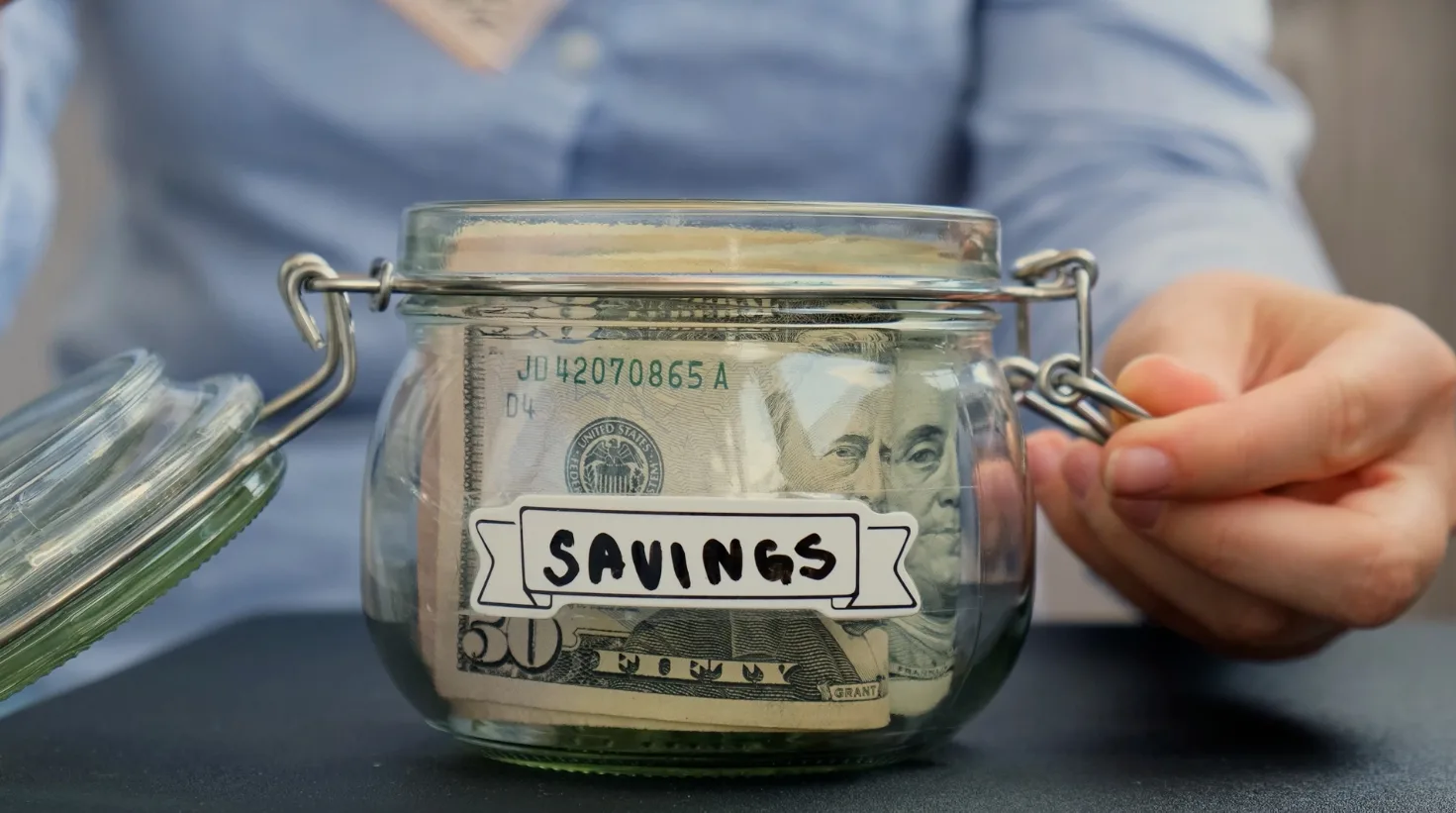
Although soft saving offers flexibility, it can become problematic when people misunderstand the concept.
1. Saving Too Little
If most income goes towards lifestyle spending, individuals may struggle to build emergency savings or achieve important financial goals.
2. Ignoring Long-Term Investments
Delaying investments for too long can affect long-term wealth creation. Even when starting with small amounts, individuals should understand suitable investment options and their associated risks.
3. Confusing Flexibility With Impulsive Spending
Soft saving does not mean purchasing everything that feels enjoyable in the moment. Spending should still be intentional and fit within an affordable budget.
4. Delaying Important Financial Responsibilities
Loan repayments, insurance, emergency savings, and essential household expenses should remain priorities.
A balanced approach works best when flexibility is combined with financial responsibility.
Is Soft Saving Suitable for Everyone?
Soft saving can be useful for young professionals, freelancers, early-career employees, and individuals who want a more flexible relationship with money. However, it may not work equally well for everyone.
People with significant debt, unstable income, limited emergency savings, or major upcoming financial responsibilities may need a more structured savings strategy.
The approach should also change as financial circumstances evolve. For example, someone in their early twenties might prioritise education and career development, while someone planning to purchase a house may need to focus more heavily on building a down payment.
Financial Situation | Suggested Approach | Priority | Important Consideration |
|---|---|---|---|
First job | Start small, regular savings | Emergency fund | Build consistency |
Freelancers | Save according to income | Income stability | Prepare for irregular earnings |
Young professionals | Balance savings and spending | Financial growth | Avoid lifestyle inflation |
People with debt | Follow a structured repayment plan | Debt reduction | Manage interest costs |
Future homebuyers | Increase dedicated savings | Down payment | Plan additional expenses |
Soft saving should be treated as an adaptable financial approach rather than a fixed formula.
The Future of Personal Finance: Balance Over Extreme Hustle
The growing interest in soft saving reflects a broader change in how younger generations think about financial success. Instead of measuring progress only through salary increases, expensive purchases, or large savings accounts, many people are considering how money contributes to their overall quality of life.
This does not mean abandoning ambition or long-term financial planning. It means recognising that financial stability and personal happiness can exist together.
As financial priorities continue to evolve, flexible budgeting, intentional spending, emergency planning, and consistent investing can help young earners build healthier money habits.
Ultimately, the best financial strategy is one that allows you to prepare for tomorrow without completely sacrificing today.