
The global financial markets often behave in ways that seem confusing at first glance. One of the most interesting developments in recent times is how the S&P 500 and the Nasdaq Composite have continued to reach record highs even while oil prices are rising. Traditionally, higher oil prices are seen as a negative signal for stock markets because they increase costs for businesses and fuel inflation concerns. However, the current market environment is telling a more complex story, driven by technology growth, investor optimism, and shifting economic dynamics.
Understanding the Traditional Link Between Oil and Markets
In a conventional economic setup, rising oil prices usually create pressure on stock markets. Oil is a key input for transportation, manufacturing, and logistics. When crude prices increase, companies face higher operating costs, which can reduce profit margins. This ripple effect often leads to concerns about inflation and slower economic growth. Historically, sharp oil price spikes have sometimes been followed by market corrections or periods of uncertainty in equity markets, including indices like the S&P 500.
However, this relationship is not always straightforward. Modern economies are more diversified than before, and the impact of oil prices varies across sectors. This is one of the key reasons why markets are not reacting negatively in the current scenario.
Technology Sector Strength Driving the Nasdaq
One of the biggest reasons the Nasdaq Composite is performing strongly is the dominance of technology companies. Unlike traditional industries, many tech firms are not heavily dependent on oil or physical commodities. Their business models are driven by software, digital platforms, cloud computing, and artificial intelligence.
These companies are benefiting from long-term growth trends such as AI adoption, automation, and digital transformation. Investor enthusiasm around these themes has created strong buying momentum in tech stocks, pushing the Nasdaq higher even when external pressures like oil prices rise. This structural advantage allows the tech sector to remain resilient in uncertain macroeconomic conditions.
Strong Corporate Earnings Supporting Market Growth
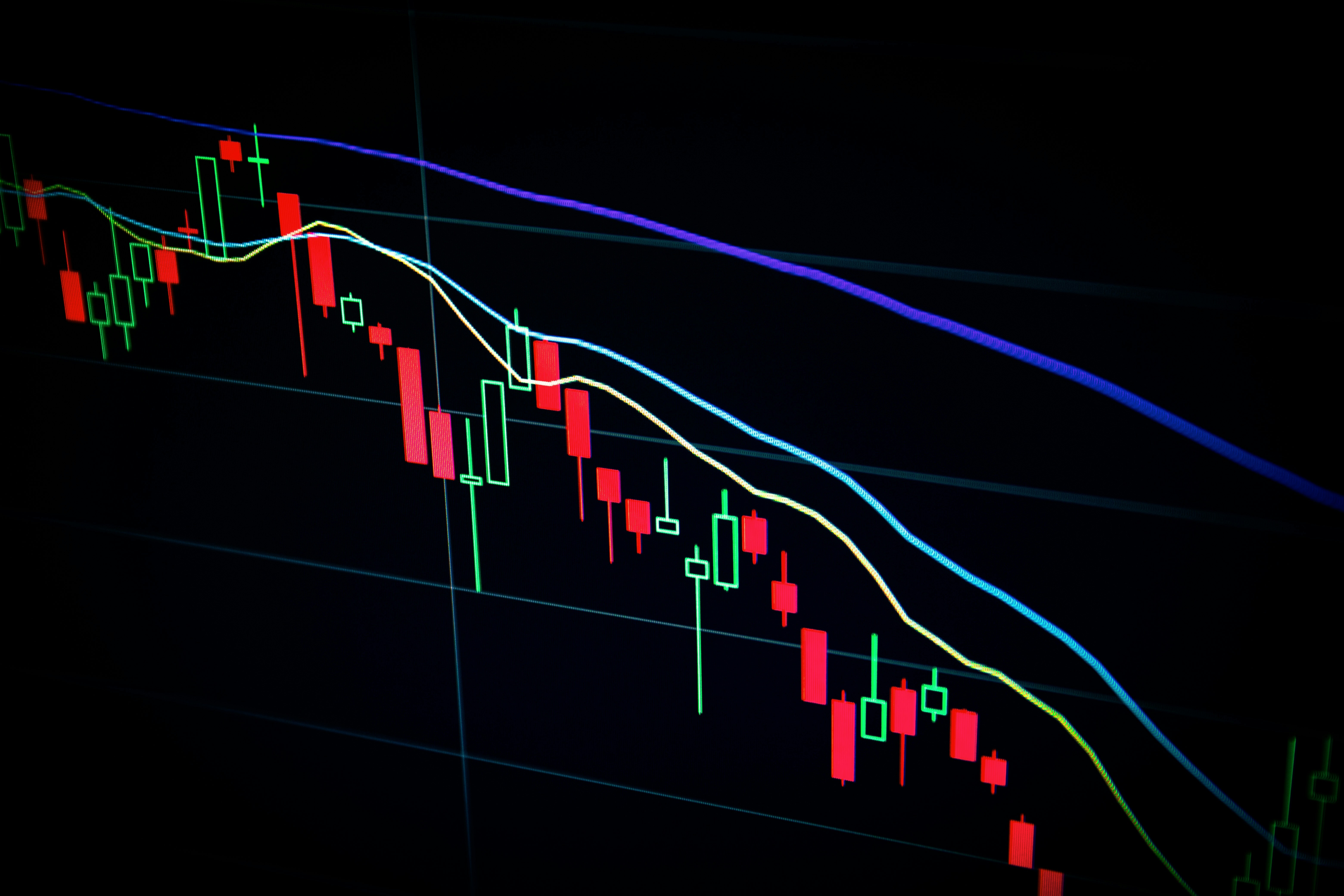

Another key factor behind the continued rise of the S&P 500 is the strength of corporate earnings. Many large companies, especially in technology, healthcare, and consumer services, have reported better-than-expected financial results. Strong earnings indicate that businesses are still generating healthy profits despite cost pressures in some areas.
This earnings resilience reassures investors that the economy is not weakening as quickly as some had feared. When companies continue to deliver solid results, it becomes easier for stock prices to rise even in the face of challenges like higher energy costs.
Inflation Expectations Are More Controlled Than Before
Although rising oil prices often raise concerns about inflation, current market expectations suggest that inflation is relatively more stable compared to previous spikes. Investors believe that central banks have already taken strong steps to control inflation through interest rate adjustments.
As a result, there is less fear of aggressive policy tightening in the near future. This stability in expectations has helped support both the S&P 500 and the Nasdaq Composite, allowing them to continue their upward momentum.
Sector-Wise Impact of Rising Oil Prices
Not all sectors react to rising oil prices in the same way. Some industries are negatively affected, while others benefit or remain largely unaffected. The overall market strength comes from the balance between these sectors.
| Sector | Impact of Rising Oil Prices | Market Performance |
| Energy | Positive (higher profits) | Strong |
| Technology | Minimal direct impact | Very strong |
| Transportation | Negative (higher fuel cost) | Mixed |
| Consumer Goods | Moderate pressure | Stable |
| Industrials | Cost-sensitive | Slightly weak |
This table shows why the broader market indices continue to rise. Strong performance in technology and energy sectors is offsetting weaker areas like transportation and industrials.
Investor Sentiment and Market Psychology
Markets are not driven only by data—they are also driven by emotions and expectations. At present, investor sentiment is largely optimistic. Many investors believe that the global economy is still on a growth path, even if it is slower than before.
When confidence is high, investors are more willing to take risks and invest in equities. This creates a cycle where rising prices attract more buyers, further pushing indices like the S&P 500 and the Nasdaq Composite higher.
Global Demand and Economic Stability
Another important factor is global demand stability. Despite geopolitical tensions and energy market fluctuations, overall economic activity has remained relatively steady. Consumer spending has not collapsed, and employment levels remain strong in major economies.
This stability supports corporate revenues and reduces fears of a global slowdown. As long as demand holds up, companies can manage higher input costs more effectively, which helps sustain stock market growth.
Risks That Still Exist in the Background
Even though markets are currently strong, risks have not disappeared. A sudden spike in oil prices could still trigger inflation concerns. If inflation rises unexpectedly, central banks may respond with tighter monetary policy, which could pressure stock valuations.
Additionally, if economic growth slows more than expected, corporate earnings could come under pressure. Overvaluation in certain tech stocks is also a concern for some analysts. These risks mean that while the market is strong today, it remains sensitive to global developments.
Conclusion: A Market Defying Old Patterns
The fact that the S&P 500 and the Nasdaq Composite are hitting record highs despite rising oil prices shows how much global markets have evolved. The traditional link between oil and stocks is still relevant, but it is no longer the only force driving market behavior.
Today’s market is shaped by technology growth, strong corporate earnings, controlled inflation expectations, and resilient investor confidence. While risks remain in the background, the current environment reflects a shift toward a more complex and diversified economic system.
In simple terms, the market is no longer reacting to just one factor like oil prices. Instead, it is balancing multiple forces—and right now, the positive forces are winning.