

Saving money sounds easy, but sticking with it month after month is tough. Rent, bills, shopping and sudden expenses can leave very little at the end of the month. Even so, setting aside a small amount regularly adds up over time. Where you keep that money matters just as much as saving it. Some accounts give better interest, while others focus on easy online banking, low charges or quick access to your cash. The best account isn’t always the one with the biggest advertised rate, but the one that suits your needs without making banking a hassle.
Before you open an account, take a little time to look at your options and compare the features that matter.
What Is a Savings Account?
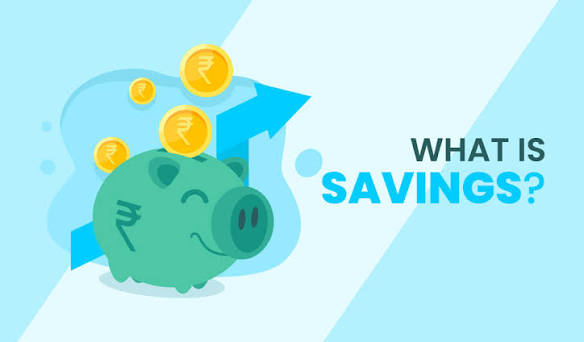
A savings account is a bank account where your money stays safe and earns interest on the balance. Unlike many investments, a regular savings account usually lets you take your money out when you need it.
People open savings accounts for all sorts of reasons. Some want an emergency cushion, while others are saving for a holiday, a home upgrade, education or a big purchase.
Say you get your salary and move $150 into a separate savings account right away. That money stays away from your daily spending and is there for future needs. As you keep adding to it and earning interest, the balance slowly grows.
It’s an easy way to build good money habits without having to make complicated investment choices.
Why Choosing the Right Savings Account Matters
Savings accounts aren’t all alike. One bank may offer a good interest rate but demand a high minimum balance. Another may make withdrawals easy but charge a monthly fee.
Small differences like these can change how much money you actually end up with.
The right savings account can help you:
Earn interest on money that would otherwise sit idle.
Keep emergency savings apart from everyday spending.
Build a regular saving habit.
Handle deposits and withdrawals more easily.
Avoid unnecessary bank charges.
Work towards short-term and long-term goals.
First, get clear on what you need from an account, and then decide.
Different Types of Savings Accounts You Should Know About

1. Traditional Savings Accounts
These accounts are offered by banks with physical branches. They suit people who prefer face-to-face banking and personal assistance.
Branch Banking
2. High-Yield Savings Accounts
These accounts generally offer higher interest rates than standard savings accounts and can help your money grow faster.
Higher Interest
3. Online Savings Accounts
Manage your savings through a bank website or mobile app. Check balances and transfer money without visiting a branch.
Digital Banking
4. Money Market Savings Accounts
These accounts may offer competitive interest rates along with features such as debit card access or check-writing facilities.
Flexible Access
5. Certificates of Deposit (CDs)
CDs let you deposit money for a fixed period in exchange for a generally fixed interest rate. Early withdrawals may have penalties.
Fixed-Term SavingsImportant Factors to Consider Before Opening a Savings Account
A good interest rate is just the starting point. A few other things deserve your attention before you move your money.
Compare Interest Rates and APY
Interest is usually the first thing people compare. In the United States, banks commonly advertise the Annual Percentage Yield (APY), which shows the effect of compounding over a year.
A higher APY can help your savings earn more, as long as the other account conditions are similar.
For example, if you deposit $5,000, an account with a higher APY will usually earn more interest than one with a lower APY over the same period.
Keep in mind that rates can change, especially on variable-rate accounts. Always confirm the current rate with the bank instead of trusting an old comparison.
Check Monthly Maintenance Fees
Bank fees can quietly chip away at your savings.
Some accounts charge a monthly fee if you don’t maintain a certain balance or meet other conditions.
Before you open an account, see if the bank has a fee-free option. Also look for charges on transfers, paper statements, ATM use and other services.
An account with a slightly lower rate but no unnecessary fees can sometimes work out better.
Understand Minimum Balance Requirements
Some banks ask for a minimum amount to open an account. Others want you to keep a minimum balance to avoid charges or to get a certain rate.
This matters a lot if you’re starting small.
Pick an account that fits where you are financially now, instead of stretching your budget just to meet a requirement.
Look at Withdrawal and Transfer Options
Savings only help if you can reach them when you need to.
Check how fast you can transfer money to your checking account, whether ATM withdrawals are possible and whether the bank limits certain transactions.
This is especially important for an emergency savings account.
Check Bank Safety and Deposit Protection
Before you deposit money, make sure the bank is properly regulated and find out what protection covers your account.
In the United States, eligible deposits at FDIC-insured banks are generally protected up to $250,000 per depositor, per insured bank, for each ownership category. Eligible deposits at federally insured credit unions have separate NCUA protection.
Always confirm that both the institution and the account qualify for the protection you expect.
Consider Mobile Banking and Customer Support
Banking shouldn’t turn into a daily struggle.
Look for an easy mobile app, secure login options, transaction alerts and customer support that’s easy to reach.
It’s also smart to find out how the bank deals with problems like failed transfers, suspicious transactions or trouble accessing your account.
These things may not seem important on day one, but they can matter a great deal later.
Online Savings Accounts vs Traditional Savings Accounts
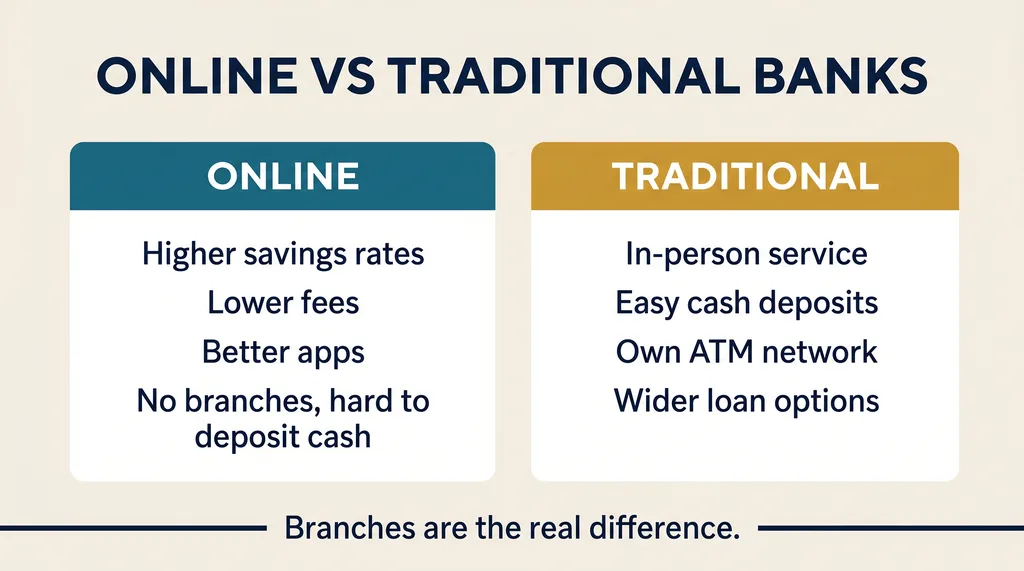
Each option has its strengths. The right pick depends on how you like to handle your money.
Traditional accounts may suit people who value branches and personal help. Online accounts can be more convenient if you’re comfortable managing money digitally.
An online account may offer a strong interest rate, but check whether you can deposit cash, get in-person help or reach support quickly.
You don’t have to choose an online account just because it’s popular. Think about your own banking habits first.
How to Make the Most of Your Savings Account
Opening an account is a good first step, but a steady saving habit is what makes it work for you.
Here are some practical ways to get more out of it.
Set Up Automatic Savings
If your income comes in regularly, think about setting up an automatic transfer to your savings account.
For example, you could move $50 or $100 into savings every payday. That way you save first, instead of spending first and saving whatever is left.
Begin with an amount that feels comfortable. You can raise it as your income or situation improves.
Keep Emergency Money Separate
Surprise expenses can come at any time. A medical bill, a car repair or a sudden loss of income can put your budget under pressure.
Keeping emergency money in its own account makes it clear how much you have for real emergencies.
Build this fund bit by bit instead of worrying about reaching a big target straight away.
Avoid Unnecessary Withdrawals
Frequent withdrawals make it hard to reach your savings goals.
One simple approach is to keep one account for spending and another for savings. Use the everyday account for bills and purchases, and leave your savings for planned expenses or emergencies.
Review Your Account Regularly
Things change in banking. Interest rates may drop, new fees may show up or another account may suit you better.
Take a look at your account once in a while to make sure it still works for you.
You don’t have to switch banks every time a better offer appears, but staying informed helps you avoid missing out on useful deals.
Common Mistakes to Avoid When Choosing a Savings Account
A bit of research before opening an account can save you trouble later.
A common mistake is choosing a bank only because it advertises the highest rate. That rate may come with minimum balance conditions, short introductory periods or other restrictions.
Another is ignoring fees. Even small monthly charges can wipe out the benefit of the interest you earn.
Some people also put all their money in one account without thinking about their goals (opens in a new tab). Keeping emergency savings separate from money for future purchases makes budgeting easier.
Lastly, don’t open an account without reading the terms and conditions. Make sure you understand the withdrawal rules, deposit protection, how interest is calculated and what the account requires before you agree.
Final Thoughts
Choosing the best savings account is a personal decision. What suits someone with a large balance may not work for a student, a first-time saver or someone building an emergency fund.
Instead of being swayed by promotional offers, focus on interest rates, fees, minimum balance rules, withdrawal flexibility and bank security.
A good savings account should make money management simpler, not harder. Start with an amount you can save comfortably, compare your options and make adding money a regular habit.