
Credit cards have become an important part of modern financial management. They make it easier to pay for everyday purchases, shop online, book travel tickets, and manage planned expenses. Instead of paying immediately from a bank account, users can make purchases using an approved credit limit and repay the amount later.
However, every credit card is designed for different spending needs. Some cards offer cashback on shopping, while others provide travel rewards, fuel savings, dining discounts, or exclusive lifestyle benefits. Choosing the right card can help users enjoy useful financial advantages while managing their expenses responsibly.
In 2026, banks and financial institutions offer a wide range of credit cards with different features, fees, reward programmes, and eligibility requirements. Understanding these options is important before applying for a new card.
Whether you are a beginner or someone looking to upgrade an existing card, this guide explains the different types of credit cards, their features, benefits, and best uses.
What Is a Credit Card?
A credit card is a payment card issued by a bank or financial institution that allows customers to borrow money up to a specific credit limit. Cardholders can use it for shopping, online payments, travel bookings, bill payments, and other eligible transactions.
Whenever you make a purchase using a credit card, the transaction amount is added to your outstanding balance. The card issuer provides a monthly statement showing your purchases, total amount due, minimum payment, and payment deadline.
If you pay the full statement balance by the due date, you can generally avoid interest on eligible purchases, subject to the card's terms and conditions. However, carrying an unpaid balance can result in interest charges and additional costs.
Credit cards may also offer benefits such as reward points, cashback, discounts, airport lounge access, and purchase-related privileges.
Different Types of Credit Cards
Credit cards come in different categories to meet the needs of different customers. Understanding their features can help you select an option that matches your lifestyle and financial requirements.
1. Rewards Credit Cards
Rewards credit cards allow customers to collect points when they make eligible purchases. These points can often be redeemed for shopping vouchers, products, travel bookings, or other benefits, depending on the card issuer.
The rewards structure varies between banks. Some cards provide points on almost every eligible transaction, while others offer additional rewards for selected spending categories such as shopping, dining, or travel.
These cards are suitable for people who regularly use credit cards and want to receive additional benefits from their everyday purchases.
Before applying, check the reward conversion rate, redemption options, expiry dates, and transaction restrictions. A card with attractive reward points may not always provide the best value if the redemption conditions are difficult to meet.
2. Cashback Credit Cards
Cashback credit cards provide a percentage of eligible spending back to the cardholder. The cashback may be credited to the account, adjusted against the credit card statement, or provided through another method.
These cards are popular among people who frequently shop online, purchase groceries, order food, or pay for everyday services.
Some cashback cards provide different cashback rates for different categories. Others offer a fixed percentage on selected transactions.
The biggest advantage is that cashback can make regular purchases more economical. However, users should check monthly cashback limits, excluded transactions, minimum spending requirements, and annual fees before choosing a card.
3. Travel Credit Cards
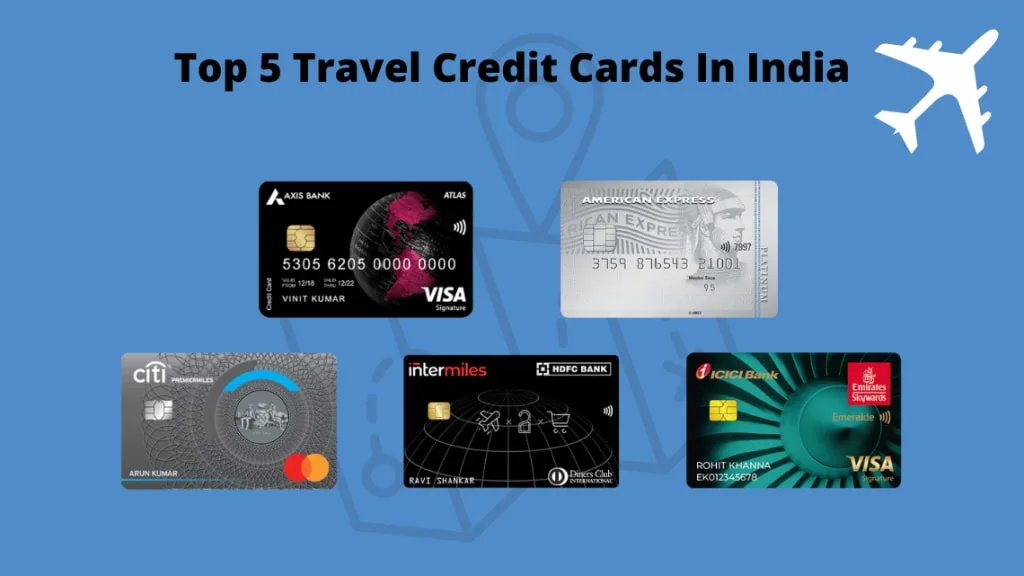
Travel credit cards are designed for people who frequently travel for holidays, business meetings, or personal reasons.
These cards may offer airline miles, hotel discounts, airport lounge access, travel reward points, and other travel-related privileges. Some cards also provide benefits when booking flights or hotel stays through selected platforms.
Travel credit cards can be useful for people who regularly spend money on transportation and accommodation. The rewards may help reduce certain travel expenses when redeemed according to the card's conditions.
However, international transactions may involve foreign currency conversion charges. It is important to understand these costs before using a travel credit card outside your home country.
4. Fuel Credit Cards
Fuel credit cards are designed for people who regularly spend money on petrol or diesel. Depending on the issuing bank, these cards may offer fuel surcharge waivers, cashback, or reward points on eligible fuel purchases.
Some fuel credit cards are connected with particular petrol station brands, while others provide benefits through participating fuel outlets.
These cards can be useful for daily commuters, business travellers, and people who frequently drive long distances.
Before applying, compare the annual fee, fuel transaction limits, eligible petrol stations, and reward conditions. This will help you understand whether the savings are worth the cost of maintaining the card.
5. Shopping Credit Cards
Shopping credit cards are suitable for people who regularly purchase products from online marketplaces and retail stores.
These cards may provide shopping discounts, cashback, reward points, special sale offers, and benefits from selected partner brands.
Some shopping cards are designed for specific online platforms, while others provide benefits across multiple shopping categories.
They can be useful for customers who frequently purchase clothing, electronics, household products, and other everyday items.
However, shoppers should avoid unnecessary purchases simply to earn rewards. A discount only provides value when the purchase is already planned and affordable.
6. Lifestyle Credit Cards
Lifestyle credit cards focus on providing benefits related to entertainment, dining, shopping, and leisure activities.
Depending on the card, customers may receive restaurant discounts, movie ticket offers, hotel benefits, shopping privileges, and exclusive memberships.
These cards are designed for people who regularly spend money on lifestyle-related activities and want additional benefits from their purchases.
Some lifestyle credit cards come with higher annual fees. Therefore, it is important to compare the available benefits with your actual spending habits before applying.
7. Secured Credit Cards
Secured credit cards are generally issued against a fixed deposit maintained with a bank. The deposit provides security to the card issuer and may make it easier for certain customers to obtain a credit card.
These cards can be useful for beginners, people with limited credit history, or applicants who do not qualify for some regular credit cards.
Using a secured credit card responsibly and paying bills on time may help users build a positive credit history.
The credit limit is generally linked to the fixed deposit amount, although the exact rules depend on the bank. Customers should also understand the deposit requirements and conditions before applying.
8. Student Credit Cards
Student credit cards are designed for eligible college students and young adults who are beginning to learn about financial management.
Depending on the issuer, these cards may offer basic payment facilities, shopping discounts, reward points, or relatively modest credit limits.
Some banks may require a fixed deposit or other eligibility conditions because students may not have a regular income.
Student credit cards can help young users understand billing cycles, credit limits, repayment deadlines, and responsible spending habits.
However, students should use these cards carefully and avoid borrowing more money than they can repay.
9. Business Credit Cards
Business credit cards are designed for business owners, companies, and eligible professionals who need to manage work-related expenses.
They can be used for office supplies, business travel, software subscriptions, employee expenses, and other operational purchases.
Some business credit cards provide expense tracking, employee cards, spending controls, and business-related rewards. These features can make financial management easier for companies.
They also help separate personal spending from business transactions, making expense tracking and record keeping more organised.
Before applying, businesses should review annual fees, employee card conditions, credit limits, and repayment responsibilities.
10. Co-Branded Credit Cards
Co-branded credit cards are issued through a partnership between a bank and another company, such as an airline, hotel chain, shopping platform, or fuel brand.
These cards offer special benefits when customers purchase products or services from the partner company.
For example, an airline partnership card may provide travel rewards, while a shopping partnership card may offer additional discounts on selected purchases.
Co-branded cards can be useful for customers who regularly use the partner brand. However, their value may be limited if you rarely purchase from that company.
Always review the reward conditions, annual charges, and redemption options before choosing one.
11. Premium Credit Cards
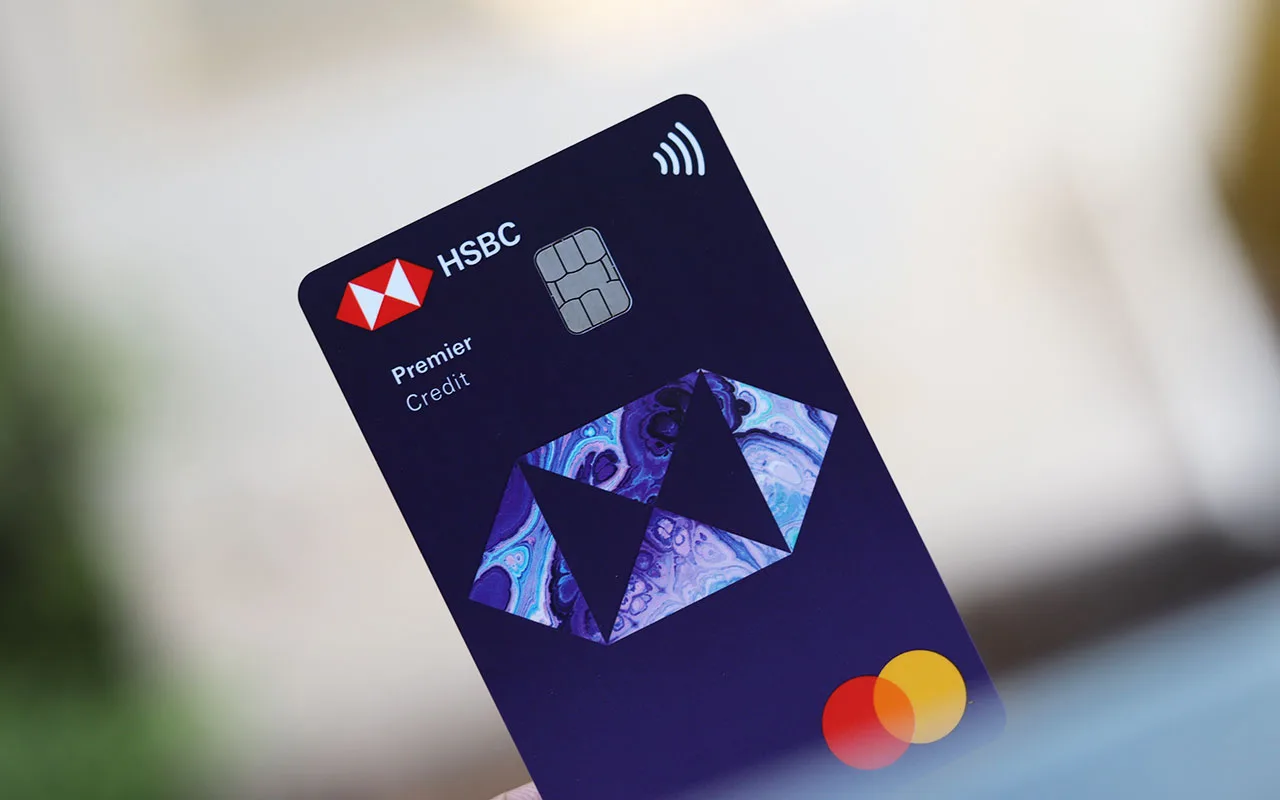
Premium credit cards are designed for customers who want additional financial and lifestyle privileges.
Depending on the issuer, these cards may offer airport lounge access, concierge services, hotel upgrades, dining privileges, travel insurance, and enhanced reward programmes.
Some premium cards also provide higher credit limits and exclusive customer support services.
These cards may have higher annual fees and specific income or spending requirements. They are generally more suitable for customers who can regularly use the available benefits.
A premium card is not automatically the best option. Its value depends on whether its features justify the associated costs.
Comparison of Different Types of Credit Cards
The following table highlights the main features and common uses of different credit card categories.
Credit Card Type | Main Feature | Best Use |
|---|---|---|
Rewards Card | Reward points | Everyday purchases |
Cashback Card | Cashback benefits | Regular shopping |
Travel Card | Travel rewards | Flights and hotels |
Fuel Card | Fuel-related savings | Petrol and diesel |
Shopping Card | Shopping offers | Online purchases |
Lifestyle Card | Dining and entertainment benefits | Leisure activities |
Secured Card | Deposit-backed credit | Building credit history |
Student Card | Basic credit facilities | Eligible students |
Business Card | Expense management | Business purchases |
Co-Branded Card | Partner-specific benefits | Brand-related spending |
Premium Card | Exclusive privileges | Premium lifestyle needs |
How to Choose the Right Credit Card
Choosing a credit card requires understanding your financial needs and spending habits. A card that works well for one person may not provide the same value to someone with different requirements.
Understand Your Spending Habits
Start by reviewing where you spend most of your money. If you frequently shop online, a cashback or shopping card may be useful. If you travel regularly, a travel credit card may provide more relevant benefits.
Compare Annual and Joining Fees
Some cards offer no annual fee, while others charge joining and renewal fees. Compare these expenses with the actual value of the rewards and services you receive.
Check Interest Rates
Credit card interest rates can be expensive when you do not pay your outstanding balance in full. Review the interest rate and other applicable charges before applying.
Review Rewards and Cashback Conditions
Read the terms carefully to understand reward limits, cashback eligibility, redemption options, and expiry dates.
Check Eligibility Requirements
Banks may consider income, employment, credit history, existing financial obligations, and other factors when evaluating an application.
Look for Security Features
Choose a card with useful security features such as transaction alerts, card blocking facilities, online transaction controls, and support for reporting unauthorised payments.
Benefits of Using a Credit Card
When used responsibly, credit cards can provide several practical benefits.
One important advantage is payment convenience. Customers can make purchases online and offline without carrying large amounts of cash.
Credit cards may also provide rewards, cashback, shopping discounts, and travel-related benefits. These offers can provide additional value when they match your regular spending habits.
Another advantage is expense tracking. Monthly statements help users review purchases and understand where their money is going.
Responsible credit card usage may also help build a positive credit history. Making payments on time and maintaining manageable credit utilisation can support a healthy credit profile.
Some cards also offer additional services, including purchase protection, travel-related insurance, and emergency assistance, depending on their terms and conditions.
Common Credit Card Mistakes to Avoid
Although credit cards provide convenience, careless usage can create financial difficulties.
One common mistake is spending more than you can afford to repay. Using a credit card for unnecessary purchases can increase outstanding debt and make monthly payments difficult to manage.
Another mistake is paying only the minimum amount due. Although this may help avoid an immediate late payment, interest can continue accumulating on the remaining balance.
Ignoring annual fees, interest rates, and other charges can also reduce the value of a credit card. Always understand the total cost before selecting a card.
Users should also avoid sharing their PIN, CVV, OTP, or online banking passwords with anyone. Regularly checking account statements and enabling transaction notifications can help identify suspicious activity.
Tips for Using Credit Cards Responsibly
Good financial habits can help you enjoy credit card benefits without creating unnecessary debt.
Paying the full statement balance by the due date is one of the most important habits. It can help avoid interest on eligible purchases under the card's terms.
Set a monthly spending limit based on your budget and avoid using the entire available credit limit. Review your transactions regularly so that you can identify unusual expenses.
It is also important to understand billing dates, payment deadlines, and applicable charges. If you notice an unfamiliar transaction, contact your card issuer immediately.
Most importantly, treat a credit card as a payment facility rather than additional income. Borrow only what you can comfortably repay.
Conclusion
Understanding the different types of credit cards can help you select an option that suits your financial needs and lifestyle. From rewards and cashback cards to travel, fuel, shopping, student, and business cards, every category offers different features and advantages.
The best credit card is not necessarily the one with the highest rewards or most premium benefits. It is the card that matches your spending habits, has reasonable charges, and offers benefits you can actually use.
Frequently Asked Questions
1. What are the main types of credit cards?
Common types include cashback, rewards, travel, shopping, fuel, secured, and business credit cards.
2. Which credit card is best for beginners?
A basic cashback or entry-level credit card can be a suitable option for beginners.
3. What is a cashback credit card?
A cashback credit card offers a percentage of eligible spending back as cashback.
4. What are the benefits of travel credit cards?
Travel credit cards may offer air miles, travel rewards, lounge access, and hotel benefits.
5. Can I own more than one credit card?
Yes, you can own multiple credit cards, provided you manage payments, fees, and spending responsibly.