
Choosing the right personal loan platform can feel confusing, especially when two major lenders like Upstart and LendingClub offer competitive rates, fast approvals, and flexible loan options. Many borrowers searching for personal loans often compare these two platforms because both are well-known online lenders with strong reputations in the financial industry.
However, despite their similarities, Upstart and LendingClub operate differently and target different types of borrowers. Upstart focuses heavily on education, employment history, and earning potential, while LendingClub relies more on traditional lending factors such as credit score and credit history. Because of this, the better option depends entirely on your financial situation and borrowing needs.
In this detailed comparison guide, we will break down Upstart vs LendingClub (opens in a new tab) based on APR rates, loan fees, eligibility requirements, application process, customer support, loan amounts, funding speed, and overall borrower experience.
What Is Upstart?















Upstart is an AI-powered online lending platform founded in 2012. Unlike traditional lenders that focus mostly on credit scores, Upstart uses artificial intelligence and alternative data to evaluate borrowers. The company considers factors such as education, employment history, income potential, and field of study in addition to credit history.
This approach has made Upstart especially popular among young professionals, college graduates, and borrowers with limited credit history. Over the years, the platform has originated billions of dollars in personal loans and expanded rapidly across the United States.
One of the biggest reasons borrowers choose Upstart is its fast approval and funding process. In many cases, approved borrowers may receive funds as quickly as the next business day.
What Is LendingClub?
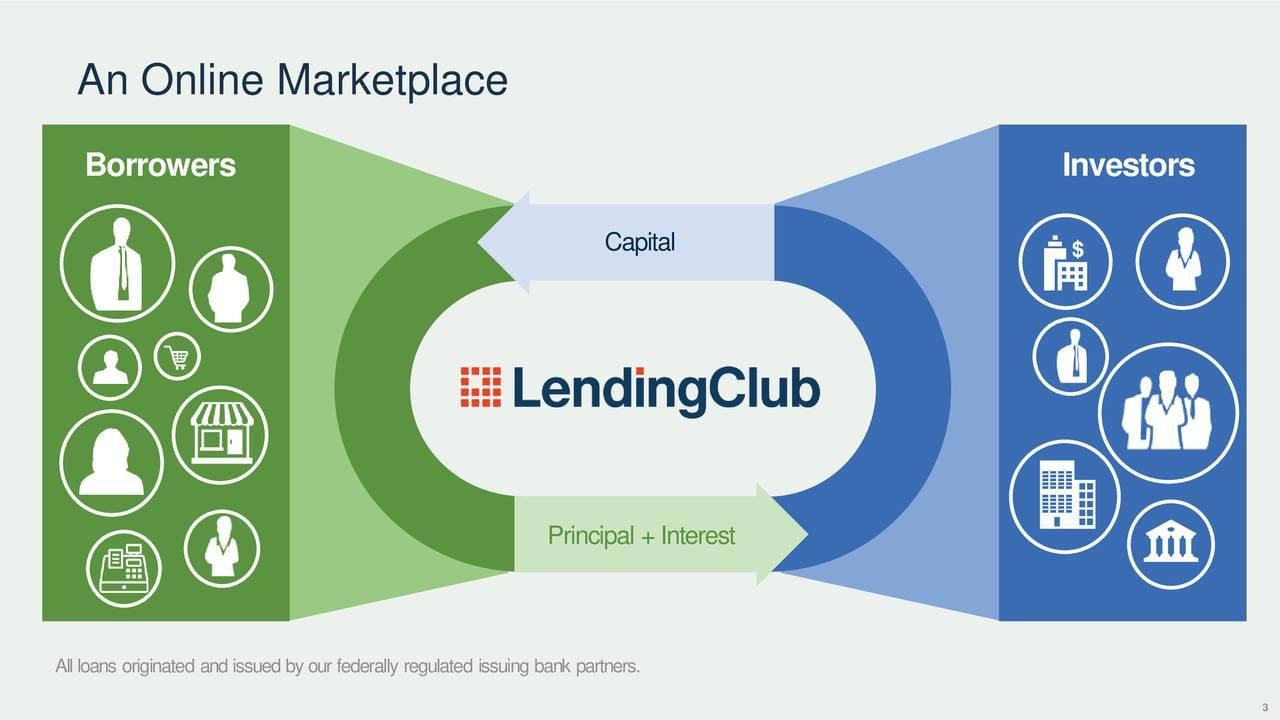
LendingClub was founded in 2008 and became one of the first major peer-to-peer lending platforms in the United States. Instead of relying entirely on traditional banks, LendingClub (opens in a new tab) originally connected borrowers directly with investors willing to fund loans.
 (opens in a new tab)
Today, LendingClub operates as a full-service financial company offering personal loans, banking services, and refinancing products (opens in a new tab). The platform is known for debt consolidation loans and competitive interest rates for borrowers with strong credit profiles.
LendingClub tends to favor applicants with established credit histories and stable financial backgrounds. Borrowers with higher credit scores often qualify for lower APR rates and better loan terms.
APR Comparison: Upstart vs LendingClub
Interest rates are one of the most important factors when comparing personal loan lenders. Even a small difference in APR can significantly affect the total repayment amount over time.
Upstart offers APR ranges that generally fall between moderate to high levels depending on the borrower’s financial profile. Since the platform accepts borrowers with limited credit history, some applicants may receive higher rates compared to traditional lenders.
LendingClub, on the other hand, is more favorable for borrowers with strong credit scores. Qualified borrowers may receive lower starting APRs, making the platform attractive for debt consolidation and large personal expenses.
The main difference is that Upstart looks beyond the credit score, while LendingClub relies more heavily on traditional credit evaluation. Because of this, borrowers with limited credit history may find better approval odds through Upstart, while borrowers with excellent credit may receive better rates from LendingClub.
Personal Loan Fees and Charges
Both Upstart and LendingClub charge origination fees, which are deducted directly from the approved loan amount. These fees help cover loan processing and administrative costs.
Upstart generally charges origination fees that vary based on the borrower’s profile and loan terms. LendingClub also charges origination fees, though the percentage depends on the borrower’s creditworthiness and risk category.
Both lenders also charge late payment fees if borrowers miss due dates. However, neither platform charges prepayment penalties, which means borrowers can pay off loans early without additional fees.
This flexibility can help borrowers save money on interest payments over time.
Credit Score Requirements
Credit score requirements are another major difference in the Upstart vs LendingClub comparison.
Upstart is often considered more flexible because it accepts borrowers with shorter credit histories or limited financial records. The platform focuses on future earning potential and career stability rather than relying only on credit reports.
This makes Upstart appealing for:
- Recent college graduates
- Young professionals
- Borrowers with thin credit files
- Individuals rebuilding credit
LendingClub typically expects applicants to have a stronger credit profile and longer credit history. Borrowers with higher credit scores and responsible repayment history usually receive better approval odds and lower rates.
If your credit history is limited, Upstart may provide easier access to personal loans. If you already have strong credit, LendingClub could offer more competitive rates.
Application Process Comparison
Both Upstart and LendingClub offer fully online application processes, making it convenient for borrowers to apply from home.
Upstart Application Process
Upstart keeps the process simple and fast. Applicants provide:
- Personal information
- Employment details
- Education background
- Income information
- Loan purpose
The platform then evaluates the borrower using AI-based underwriting technology. Once approved, borrowers can review loan offers, repayment terms, and monthly payment amounts before accepting the loan.
One of Upstart’s biggest advantages is fast funding speed. Some borrowers receive funds within one business day after approval.
LendingClub Application Process
LendingClub’s process is also straightforward but focuses more heavily on traditional financial details.
Applicants typically provide:
- Credit information
- Employment details
- Annual income
- Debt obligations
- Loan purpose
Borrowers may choose loan purposes such as debt consolidation, medical expenses, home improvement, or major purchases.
After approval, LendingClub usually delivers funds within several business days depending on verification requirements.
Although the process is simple, funding may take slightly longer than Upstart.
Loan Amounts and Repayment Terms

Both Upstart and LendingClub offer flexible loan amounts suitable for different financial needs.
Upstart generally allows borrowers to access higher maximum loan amounts compared to some online lenders. LendingClub also provides competitive loan ranges for debt consolidation and personal financing needs.
Both platforms commonly offer repayment terms between three and five years.
Shorter loan terms usually reduce the total interest paid over time, while longer terms lower monthly payments but increase total borrowing costs.
Borrowers should carefully compare monthly affordability against long-term repayment expenses before choosing a loan term.
Availability Across States
Both lenders are available in most U.S. states, though there are some regional restrictions depending on local lending laws and regulations.
Borrowers should always verify eligibility based on their state before starting the application process.
Customer Support Experience
Customer support is important when managing loans, payments, or account issues.
Upstart offers:
- Online help center
- Email support
- Phone assistance
FAQ resources
LendingClub also provides:
- Customer support center
- Educational resources
- Phone support
- Online account management tools
Both platforms offer reasonable support options, though borrower experiences may vary based on response time and issue complexity.
Which Platform Is Better for Borrowers?
The answer depends on your financial profile and borrowing goals.
Choose Upstart If:
- You have limited credit history
- You are a recent graduate
- You want faster funding
- You need flexible approval criteria
- You value AI-driven loan evaluation
Choose LendingClub If:
- You have a strong credit score
- You want potentially lower APRs
- You prefer traditional lending evaluation
- You are consolidating debt
- You have an established financial history
The Upstart vs LendingClub comparison shows that both platforms are excellent online lenders, but they serve slightly different borrower categories.
Upstart stands out for its innovative AI-based approval system, flexible qualification standards, and fast funding process. It is particularly beneficial for younger borrowers and people with limited credit history who may struggle with traditional lenders.