
If you have ever applied for a loan or a credit card, chances are you have come across the term “credit score.” It is often mentioned as one of the most important factors in financial decision-making, yet many people do not fully understand what it means or how it impacts their lives. Simply put, your credit score is a reflection of your financial behavior, especially how responsibly you handle borrowed money.
In today’s world, where access to credit plays a major role in achieving financial goals, understanding your credit score is no longer optional. Whether you want to buy a home, finance a car, or even get a credit card with good benefits, your credit score will play a key role in determining your eligibility. This guide will help you understand what a credit score is, how it works, why it matters, and how you can manage it effectively.
What is a Credit Score?
A credit score is a three-digit number that typically ranges from 300 to 900. It represents your creditworthiness, which means how reliable you are when it comes to repaying borrowed money. The closer your score is to 900, the better it is considered.
This number is not random. It is calculated based on your past financial behavior, including how consistently you have paid your loans and credit card bills, how much credit you use, and how long you have been using credit. Lenders use this score as a quick way to evaluate the risk involved in lending money to you.
Think of your credit score as your financial reputation. A high score tells lenders that you are disciplined and responsible, while a low score raises concerns about your ability to repay on time.
Purpose of a Credit Score
The primary purpose of a credit score is to help lenders assess risk before offering you any financial product. It acts as a decision-making tool that simplifies the approval process.
A high credit score shows that you have managed your credit well in the past. This makes lenders more confident in approving your application. On the other hand, a low score suggests that there may have been delays or issues in repayment, making lenders cautious.
In essence, your credit score helps financial institutions decide whether to lend to you, how much to lend, and at what interest rate.
Credit Score vs Credit Report
Although the terms “credit score” and “credit report” are often used together, they are not the same.
A credit report is a detailed record of your entire credit history. It includes information such as your active and closed accounts, repayment history, outstanding balances, and any recent applications for credit. It provides a complete picture of your financial behavior over time.
A credit score, on the other hand, is a summary of that report. It condenses all the information into a single number that lenders can quickly evaluate. While the report provides depth and detail, the score provides a quick snapshot.
Both are important, and lenders usually review them together before making a decision.
Who Uses Credit Scores?
Credit scores are used by a variety of institutions and, in some cases, even employers.
Banks and non-banking financial companies (NBFCs) rely on your credit score to decide whether to approve your loan application and what interest rate to offer. A strong score can lead to faster approvals and better terms.
Credit card companies use it to determine your eligibility and the type of card you qualify for. A higher score may give you access to premium cards with better rewards and higher limits.
Other credit institutions use it to offer loans, credit lines, and financial products tailored to your profile.
In some situations, employers may review your credit report to assess your financial responsibility, especially for roles that involve handling money.
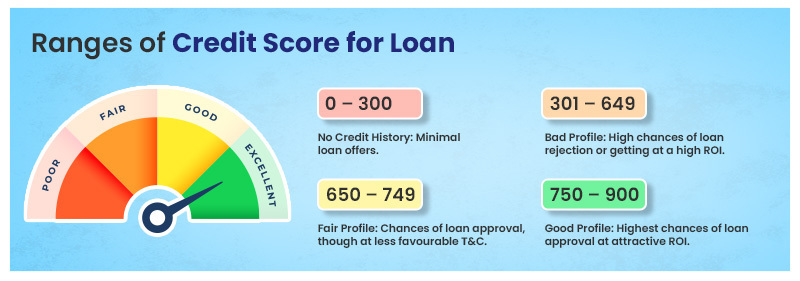
Credit Score Ranges and Their Meaning
Understanding where your score falls can give you a clear idea of your financial standing.
A score above 750 is generally considered excellent. It indicates strong financial discipline and makes you highly attractive to lenders.
A score between 700 and 749 is good and still gives you a strong chance of approval, although not always with the best terms.
A score between 650 and 699 is average. You may still get loans, but interest rates might be higher.
A score below 600 is considered poor and can lead to loan rejections or strict conditions.
Knowing your range helps you understand where you stand and what improvements may be needed.
Why Does Your Credit Score Matter?
Your credit score affects several aspects of your financial life, often more than you might expect.
Loan Approvals
A good credit score significantly improves your chances of getting approved for loans. Lenders are more willing to trust borrowers who have a history of timely repayments. On the other hand, a low score can lead to rejections or additional verification steps.
Interest Rates
Your credit score directly influences the interest rate you are offered. A higher score can help you secure loans at lower rates, saving you money over time. A lower score usually results in higher rates, making borrowing more expensive.
Credit Card Benefits
With a strong credit score, you are more likely to qualify for credit cards with higher limits and better rewards. A weaker score may limit your options and reduce your financial flexibility.
Financial Opportunities
A good credit score does more than just help with loans. It reflects your overall financial discipline and can open doors to better opportunities. In some cases, it may even influence decisions related to employment or rental agreements.
Key Factors That Affect Your Credit Score
Several factors contribute to your credit score, and understanding them can help you manage it better.
Payment History
This is the most important factor. Paying your EMIs and credit card bills on time builds a strong track record and positively impacts your score.
Credit Utilisation
This refers to how much of your available credit you are using. Keeping your usage low shows that you are not overly dependent on credit.
Length of Credit History
The longer your credit history, the better it is for your score. It gives lenders more data to assess your behavior.
Credit Mix
Having a mix of different types of credit, such as loans and credit cards, shows that you can manage various forms of borrowing.
Hard Inquiries
Every time you apply for credit, a record is created. Too many applications in a short period can negatively affect your score.
How to Check Your Credit Score
Checking your credit score is easier than ever. You are entitled to one free credit report each year from major credit bureaus such as TransUnion CIBIL, Experian, Equifax, and CRIF Highmark.
In addition, many financial platforms and apps allow you to check your score multiple times without any cost. Regularly monitoring your score helps you stay informed and detect any issues early.
It is important to note that checking your own score does not impact it. This is known as a soft inquiry and is completely safe.
How to Protect Your Credit Score
Maintaining a good credit score requires consistent effort and awareness.
Avoid Fraud
Protect your personal and financial information. Be cautious when sharing details online or over the phone, as fraud can damage your credit profile.
Review Your Credit Report Regularly
Errors can sometimes appear in your credit report, such as incorrect account details or transactions. Reviewing your report helps you identify and correct these mistakes before they affect your score.
Use Credit Monitoring Tools
Many tools can alert you to changes in your credit profile, such as new accounts or inquiries. These alerts help you stay in control and act quickly if something seems wrong.
Practice Responsible Borrowing
Only borrow what you can repay, and always make payments on time. Responsible behavior over time is the most effective way to maintain a strong credit score.
FAQ