
The credit card industry in 2026 is no longer limited to plastic cards and interest rates—it has evolved into a data-driven digital ecosystem powered by real-time underwriting, AI-powered fraud detection, and flexible lending models like Buy Now, Pay Later (opens in a new tab) (BNPL). With nearly 2.8 billion credit card accounts in use globally, the shift toward digital-first financial systems is accelerating rapidly, reshaping how consumers and businesses interact with money.
As users demand faster, safer, and more convenient transactions, credit cards are transforming into smart financial platforms that actively drive the growth of digital payments worldwide.
Why Credit Card Innovation Is Driving Digital Payments
Modern credit cards are no longer just payment tools—they are integrated ecosystems that combine security, flexibility, and real-time financial insights. Innovations such as open banking, AI-based risk analysis, and embedded finance are lowering barriers for users with limited credit history while improving overall financial access.
This evolution is not just technological—it’s behavioral. Consumers are increasingly relying on digital payment methods for everyday transactions, pushing financial institutions to innovate faster than ever before.
1. BNPL and Credit Card Convergence
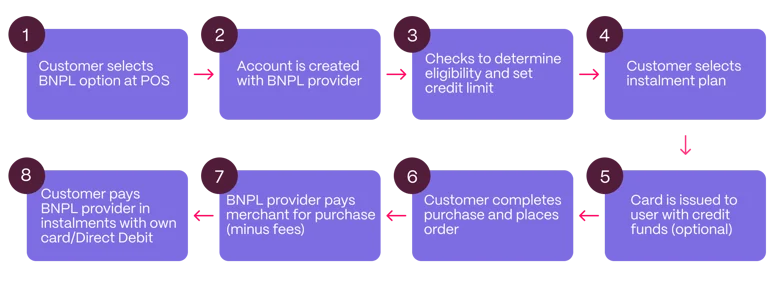
The gap between BNPL services (opens in a new tab) and traditional credit cards is rapidly disappearing. Today, users can convert purchases into easy installment plans directly at checkout, eliminating the need for third-party applications.
This shift offers greater repayment flexibility and encourages higher-value purchases without immediate financial strain. By making payments more manageable, this trend is significantly increasing transaction frequency and digital spending, making it a key driver of digital payments growth.
2. Virtual Cards Powering Business Payments
The adoption of virtual credit cards (opens in a new tab) is transforming how businesses manage expenses. Unlike physical cards, virtual cards can be generated instantly, restricted to specific vendors, and even used for single transactions.
This provides enhanced security, improved expense tracking, and seamless integration with accounting systems. As businesses automate their financial processes, virtual cards are accelerating the shift toward cashless, fast, and secure digital transactions.
Another major advantage is their role in subscription management and vendor payments, where companies can issue separate virtual cards for each service. This makes it easier to cancel unused subscriptions and avoid hidden charges. Moreover, virtual cards support cross-border payments with better transparency and reduced friction, making them ideal for global businesses and remote teams.
3. Network Tokenization Enhancing Payment Security
Security remains a critical factor in digital payment adoption, and network tokenization (opens in a new tab)is emerging as a powerful solution. By replacing sensitive card details with unique digital tokens, this technology ensures that even if data is intercepted, it cannot be misused.
Combined with secure one-click checkout systems, tokenization builds stronger consumer trust (opens in a new tab), which directly contributes to the growth of online and contactless payments.
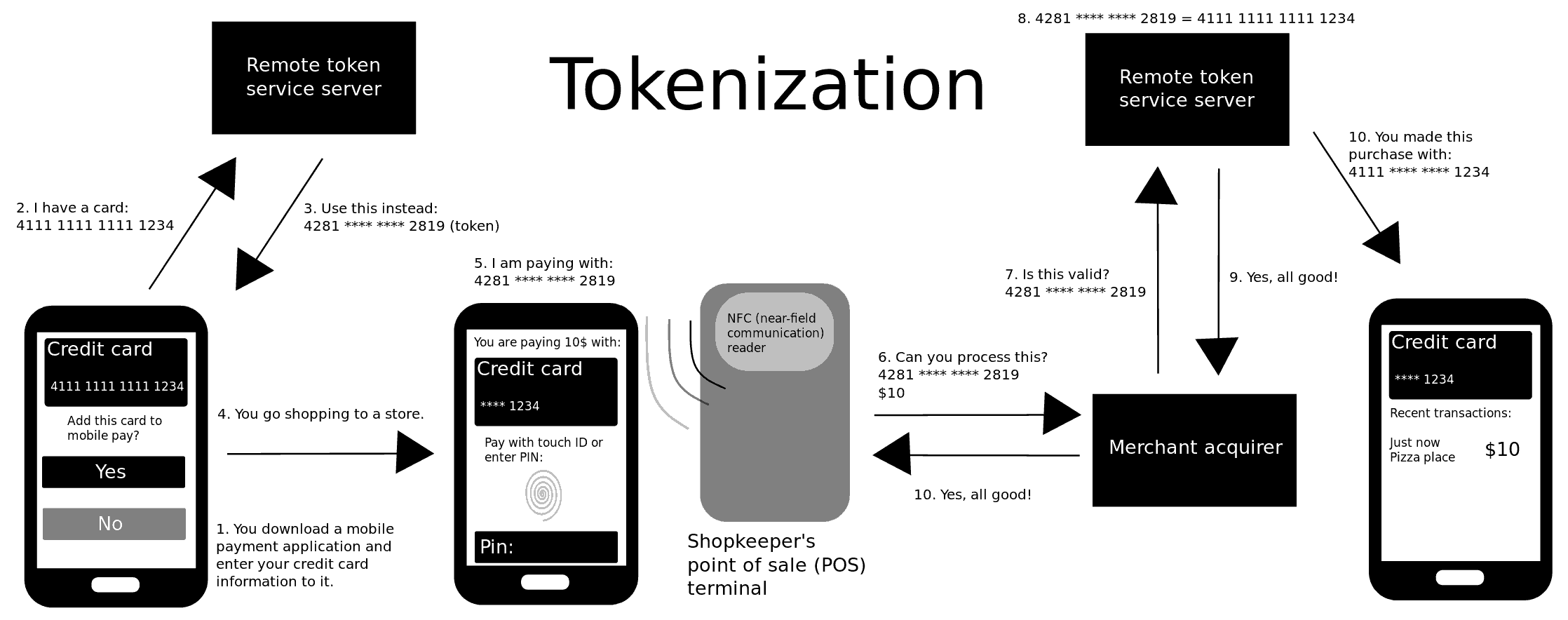
Beyond security, network tokenization also plays a key role in improving payment authorization rates (opens in a new tab) and reducing transaction failures. Since tokens are linked to specific devices and merchants, they enable more accurate transaction validation, which helps banks approve legitimate payments faster. This not only enhances the user experience but also increases conversion rates for businesses, especially in e-commerce.
4. AI Fraud Detection and Behavioral Biometrics
As fraud becomes more sophisticated, financial institutions are leveraging AI-powered fraud detection (opens in a new tab) and behavioral biometrics to stay ahead. Instead of relying solely on passwords or OTPs, systems now analyze user behavior patterns such as typing speed, touch interactions, and device usage.
This creates an invisible security layer that detects suspicious activity in real time without interrupting the user experience. By improving both security and convenience, this trend is encouraging wider adoption of digital payment platforms.
5. Subscription Management within Credit Card Apps
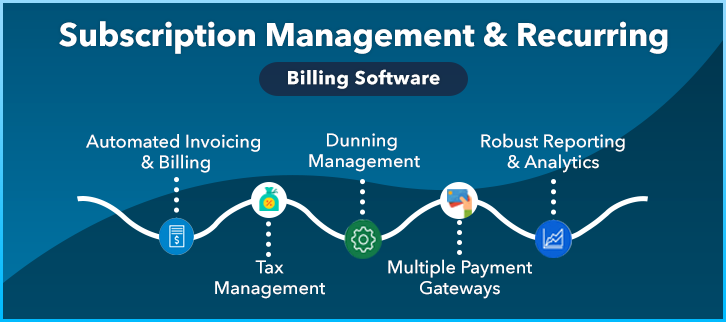
With the rise of recurring payments, users often struggle to track their subscriptions. To solve this, credit card providers are integrating subscription management tools (opens in a new tab) directly into their apps.
These tools allow users to monitor, manage, and cancel subscriptions easily, providing better financial control and transparency. This not only improves user experience but also encourages continued engagement with digital transactions.
6. Digital-First Credit Access Expanding the Ecosystem
The emergence of credit-builder cards and open banking is making credit more accessible to individuals with little or no financial history. These solutions offer features such as automatic credit reporting, low-risk limits, and in-app financial education.
By reducing entry barriers and promoting financial inclusion, this trend is bringing millions of new users into the digital payments ecosystem, fueling long-term growth.
Key Benefits of Modern Credit Cards:
The Future of Credit Cards and Digital Payments
The future of credit cards lies in integration, intelligence, and user control. From AI-driven insights to real-time financial management tools, credit cards are evolving into platforms that not only facilitate payments but also help users optimize their financial decisions.
For businesses, this means higher transaction volumes, improved customer retention, and stronger digital infrastructure. For consumers, it translates into better security, flexibility, and convenience in everyday financial activities.
The transformation of credit cards in 2026 highlights a clear shift toward smarter, faster, and more secure payment systems. Trends like BNPL integration, virtual cards, tokenization, and AI-driven security are not just innovations—they are the foundation of the next generation of digital payments.
Understanding these trends is essential for anyone looking to stay competitive in today’s rapidly evolving financial landscape.