
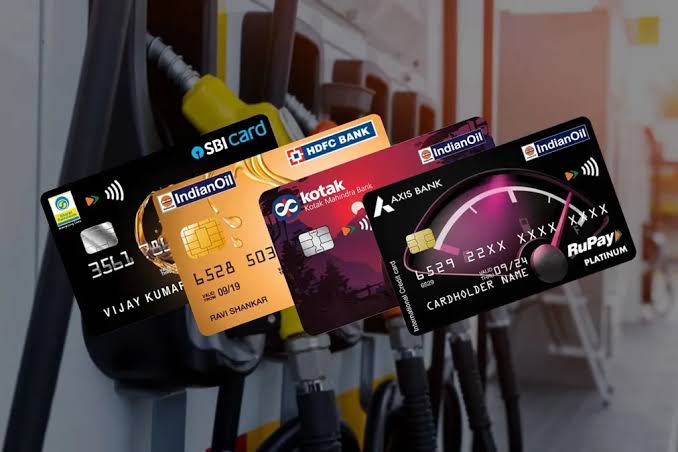
Choosing the right credit card in 2026 is not just about finding the card with the highest cashback or the biggest welcome offer. The best option is one that matches your regular spending habits, offers useful rewards, keeps fees reasonable, and provides benefits you can actually use.
Shopping and fuel expenses are part of many households' monthly budgets. From groceries, clothing, electronics, and online orders to petrol and diesel purchases, these costs can add up quickly. A suitable credit card can help you earn cashback, collect reward points, access discounts, and manage payments more conveniently.
However, every card comes with different conditions. Some offer better rewards on online shopping, while others focus on fuel transactions. Certain cards provide attractive introductory benefits but have annual fees or spending requirements. Understanding these differences before applying can help you make a more informed decision.
This guide explains how to compare shopping and fuel credit cards in 2026, what features to check, how to understand reward structures, and how to choose a card that suits your financial needs.
Understand Your Spending Habits Before Choosing a Card
The first step in choosing a credit card is understanding where your money goes. A card that offers excellent shopping rewards may not be useful if most of your monthly spending is on fuel. Similarly, a fuel-focused card may not provide much value if you rarely drive.
Review your recent monthly expenses and identify your main spending categories. You can check bank statements, payment records, or a household budget to estimate how much you spend on shopping and fuel.
Consider the following questions:
How frequently do you shop online?
Do you regularly purchase groceries, clothes, electronics, or household products?
How much do you spend on petrol or diesel each month?
Do you usually shop through particular retail platforms?
Would you prefer direct cashback or reward points?
Are you comfortable paying an annual credit card fee?
Your answers will help you identify which benefits matter most.
For example, someone who frequently orders groceries and household essentials may benefit from a shopping-focused card. A person who commutes daily or travels regularly by car may find a fuel rewards card more useful.
Types of Shopping and Fuel Credit Cards
Credit cards are designed with different spending priorities. Understanding the major categories makes it easier to shortlist suitable options.
Shopping Credit Cards
Shopping credit cards are designed for people who regularly spend money on online and offline purchases. They may offer cashback, reward points, discounts, or special deals across selected shopping categories.
Some cards provide higher rewards on specific e-commerce platforms, while others offer benefits on groceries, fashion, electronics, dining, or department-store purchases.
Before selecting one, check whether the rewards apply to the stores where you actually shop. A card advertising high cashback may have limited partner merchants or exclusions that reduce its practical value.
Fuel Credit Cards
Fuel credit cards are intended for people who regularly purchase petrol or diesel. Depending on the card, benefits may include fuel surcharge waivers, reward points on eligible fuel transactions, or additional savings at selected fuel stations.
Fuel cards can be particularly useful for daily commuters, frequent travellers, delivery professionals, and households that use private vehicles regularly.
However, fuel-related benefits often come with conditions. The surcharge waiver may apply only within a specified transaction range, and reward points may be limited to particular fuel station networks.
Cashback Credit Cards
Cashback cards return a percentage of eligible spending as a statement credit, account credit, or another specified benefit.
They are often easier to understand than reward-point systems because the value is generally expressed in monetary terms. Still, cashback cards may include monthly limits, category restrictions, minimum transaction amounts, or exclusions.
Co-Branded Credit Cards
Co-branded cards are developed in partnership with a bank and a particular retailer, shopping platform, or fuel company.
These cards may provide enhanced rewards when used with the partner brand. They can be valuable for customers who regularly use that platform or fuel network.
However, their benefits may be less attractive outside the partner ecosystem. Compare their general spending rewards with the benefits offered by more flexible cards.
Compare Cashback, Reward Points, and Discounts
Rewards are one of the biggest reasons people apply for shopping and fuel credit cards. But not all rewards provide the same value.
Cashback gives a relatively straightforward return on eligible spending. Reward points may offer more flexibility, but their value depends on redemption options. Instant discounts reduce the purchase price at the time of payment, while promotional offers may be available only for limited periods.
Understanding how each reward works can prevent unrealistic expectations.
Reward Type | How It Works | Main Advantage | What to Check |
|---|---|---|---|
Cashback | Returns a portion of eligible spending | Simple monetary value | Cashback limits and exclusions |
Reward Points | Earn points on eligible transactions | Multiple redemption options | Point value and expiry |
Instant Discount | Reduces the purchase amount | Immediate savings | Minimum purchase requirements |
Fuel Benefits | Offers eligible fuel-related savings | Useful for regular drivers | Surcharge waiver conditions |
Do not select a card only because its advertised reward rate looks high. Calculate how much you could realistically earn based on your monthly spending and the card's terms.
Important Features to Check in a Shopping Credit Card
A shopping credit card should offer benefits that match your purchasing habits. Before applying, compare the following features.
Cashback Rates and Spending Categories
Check which purchases qualify for cashback and whether different categories have different earning rates.
For instance, a card may offer higher cashback on selected online purchases but a lower rate on offline transactions. Some may provide special rewards on groceries, fashion, or electronics.
Also check whether cashback is capped monthly or annually. A high advertised rate may provide limited value if the maximum cashback amount is low.
Partner Store Benefits
Some shopping cards provide additional discounts or reward points at selected merchants.
These offers can be useful if you already shop at those stores. However, avoid changing your regular shopping habits just to receive a credit card discount.
Compare the actual final price after applying the offer. Sometimes a different retailer may provide a better overall deal without requiring a special card.
Online and Offline Spending Rewards
A useful shopping card should ideally provide benefits across the places where you normally purchase products.
Check whether online and in-store transactions are treated differently. Also review exclusions for wallet loads, gift cards, utility payments, rent, or other transaction categories where relevant.
Welcome Offers and Renewal Benefits
Some cards provide joining bonuses, introductory cashback, shopping vouchers, or special discounts.
These benefits may make a card attractive initially, but they should not be the only reason for applying. Check whether you must spend a minimum amount within a specified period to qualify.
Also review renewal benefits. A card that offers a welcome voucher but very limited ongoing rewards may not provide good long-term value.
Important Features to Check in a Fuel Credit Card
Fuel credit cards should be evaluated according to how frequently you purchase fuel and where you usually fill your vehicle.
Fuel Surcharge Waiver
Fuel stations may apply a surcharge when customers pay using a credit card. Some cards offer a waiver on eligible fuel transactions.
Before applying, check:
The minimum transaction amount.
The maximum transaction amount eligible for the waiver.
The monthly or billing-cycle waiver limit.
Whether the benefit applies to petrol, diesel, or both.
Whether the waiver is available at all fuel stations or selected networks.
A surcharge waiver can provide useful savings, but its value depends on the card's specific conditions.
Fuel Reward Points
Some fuel cards provide reward points for eligible purchases. These points may be redeemed for fuel-related benefits, vouchers, or other available rewards.
Check how many points you earn per transaction and what each point is worth. A card offering a large number of points is not necessarily better if the redemption value is low.
Fuel Station Network
Certain cards are associated with specific fuel companies. They may provide better benefits when used at participating outlets.
If you frequently purchase fuel from one particular network, a co-branded card may be worth considering. If your travel routes involve different fuel providers, a card with broader acceptance may be more convenient.
Transaction Limits and Exclusions
Fuel benefits often have eligibility rules. Some transactions may not qualify for reward points, while others may be subject to monthly limits.
Read the terms carefully so that you understand which purchases earn benefits and which do not.
Compare Annual Fees and Other Charges
A credit card's value should be measured after considering its fees and charges. Some cards have no annual fee, while others charge a joining fee and a renewal fee. Premium cards may offer additional benefits, but those benefits are useful only if you can make practical use of them.
Review the following costs before applying:
Joining fee: The amount charged when the card is issued.
Annual fee: The recurring charge for keeping the card active.
Fee-waiver conditions: The spending amount required to avoid the next annual fee.
Interest charges: The cost of carrying an unpaid balance beyond the due date.
Late payment charges: Fees that may apply when you miss the payment deadline.
Other transaction charges: Charges for cash advances, foreign currency transactions, or specific payment categories.
Do not assume that a card is free simply because its annual fee can be waived. Check the spending requirement and make sure it is achievable through your normal purchases. Issuer terms can also specify transaction limits and exclusions for fuel benefits, so review the latest fee schedule before applying.
21+1
Calculate the Real Value of Credit Card Rewards
A card's advertised reward rate does not always represent the savings you will receive. The actual value depends on your monthly spending, reward limits, redemption rules, and annual charges.
For example, imagine you spend ₹10,000 per month on eligible shopping purchases. If a card provides 3% cashback on those transactions, your potential cashback would be ₹300 per month, or ₹3,600 over a year, assuming all purchases qualify and no reward cap reduces the amount.
Now consider a card with an annual fee of ₹999. After subtracting that fee, the estimated annual benefit would be ₹2,601 before considering any applicable taxes or other charges.
Particulars | Example Amount | Calculation | Result |
|---|---|---|---|
Monthly eligible shopping | ₹10,000 | Regular spending | ₹10,000 |
Cashback rate | 3% | ₹10,000 × 3% | ₹300 |
Annual cashback | ₹300 | ₹300 × 12 | ₹3,600 |
Annual card fee | ₹999 | Annual charge | ₹999 |
This is only an illustrative calculation. Actual rewards depend on the card's terms, eligible transactions, cashback caps, and redemption conditions.
Use the same method when comparing fuel cards. Estimate your eligible monthly fuel spending, calculate the potential reward value, and subtract the annual fee. This will give you a clearer idea of whether the card is worth keeping.
Check Eligibility and Credit Score Requirements
Before applying for a credit card, review the bank's eligibility requirements. Different issuers may have different criteria depending on the card category.
Common factors include:
Minimum age requirements.
Monthly or annual income.
Employment type and financial stability.
Residential location and service availability.
Existing credit history.
Credit score and repayment record.
A higher credit score and a consistent repayment history can improve your chances of approval, although approval is always subject to the issuer's assessment.
If you are applying for your first credit card, consider a basic or low-fee option that matches your income and spending habits. Applying for several cards within a short period may result in multiple credit enquiries, so compare your choices before submitting applications.
Understand Interest Rates and Repayment Conditions
Credit card rewards can be attractive, but interest charges can quickly outweigh the benefits if you do not repay your outstanding balance on time.
Whenever possible, pay the full statement balance by the due date. Paying only the minimum amount may help you avoid an immediate missed-payment situation, but the remaining balance can continue attracting interest according to the card's terms.
Keep these repayment practices in mind:
Pay the total outstanding amount rather than relying on the minimum due.
Set payment reminders to avoid missing deadlines.
Monitor transactions regularly through the issuer's app or statement.
Avoid spending more than your monthly budget allows.
Understand the interest-free period and how it applies to purchases.
Check the interest rate before converting purchases into EMIs.
A credit card should support your budget, not encourage unnecessary borrowing. If you regularly carry unpaid balances, reducing interest costs should take priority over earning shopping or fuel rewards.
FAQ's
What is the difference between shopping and fuel credit cards?
Shopping credit cards offer rewards, cashback, or discounts on eligible purchases, while fuel credit cards focus on fuel-related benefits such as surcharge waivers and reward points.
How can I choose the best shopping credit card in 2026?
Compare cashback rates, shopping categories, partner offers, annual fees, reward limits, and redemption options. Choose a card that matches your regular shopping habits.
Are fuel credit cards worth using?
Fuel credit cards can be useful for people who regularly purchase petrol or diesel. Their value depends on eligible fuel rewards, surcharge waivers, transaction limits, and annual fees.
Can I use a shopping credit card for fuel purchases?
Yes, most shopping credit cards can be used for eligible fuel transactions. However, fuel purchases may not earn regular cashback or reward points, so check the card's terms and conditions.
Should I have separate shopping and fuel credit cards?
Separate cards may be useful if you spend significantly on both categories and can benefit from their individual rewards. Compare annual fees and manage payment due dates carefully before choosing multiple cards.