

Living in a high-cost city can make managing money feel like a constant balancing act. Between rising rents, expensive groceries, transportation costs, utility bills, and everyday expenses, even people with stable incomes can struggle to save consistently. Traditional budgeting methods often recommend dividing monthly income into three categories: 50% for needs, 30% for wants, and 20% for savings. However, when housing alone consumes a significant portion of monthly earnings, following these percentages can become difficult.
The 50-30-20 budgeting rule is a popular personal finance strategy that helps individuals organize their income into essential expenses, lifestyle spending, and financial goals. While the traditional formula provides a useful starting point, people living in expensive cities may need to adjust these percentages to reflect their actual cost of living.
Instead of abandoning the rule completely, the smarter approach is to make it more flexible. By understanding spending priorities, identifying unnecessary expenses, and setting realistic savings targets, city residents can build a budget that supports both their current lifestyle and long-term financial stability.
What Is the 50-30-20 Budget Rule?
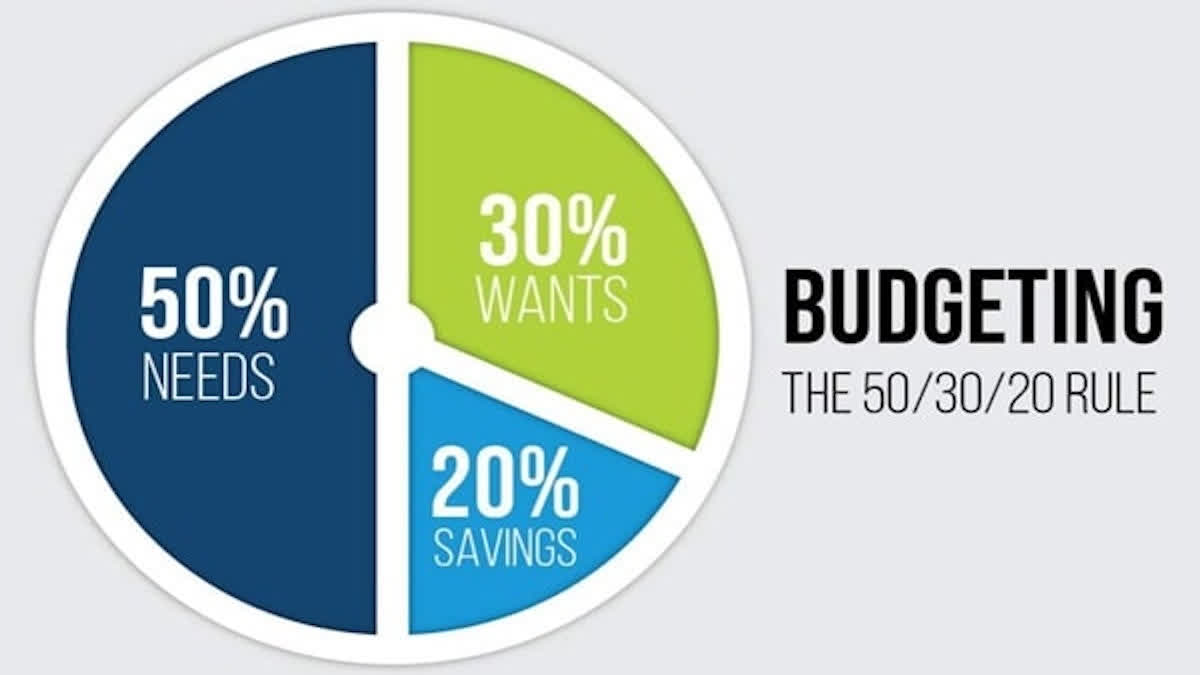
The 50-30-20 rule is a simple budgeting framework that divides after-tax monthly income into three major spending categories.
50% for Needs: Essential expenses such as rent, groceries, utilities, transportation, insurance, and minimum debt payments.
30% for Wants: Non-essential expenses such as dining out, entertainment, shopping, subscriptions, and vacations.
20% for Savings and Debt Repayment: Emergency funds, retirement contributions, investments, and additional debt payments.
The main purpose of this approach is to create a balance between necessary spending, lifestyle choices, and future financial security.
Understanding the Traditional Budget Breakdown
Budget Category | Percentage | Examples | Main Purpose |
|---|---|---|---|
Needs | 50% | Rent, groceries, utilities | Cover essentials |
Wants | 30% | Shopping, dining, travel | Support lifestyle |
Savings | 20% | Emergency funds, investments | Build financial security |
For example, someone earning $5,000 per month after taxes would traditionally allocate $2,500 toward needs, $1,500 toward wants, and $1,000 toward savings.
However, this allocation may not work in cities where housing and transportation costs are significantly higher than average.
Why the Traditional 50-30-20 Rule Can Be Difficult in High-Cost Cities
High-cost cities create unique financial challenges because essential expenses can consume a much larger share of household income.
Rent is often the biggest pressure point. In competitive housing markets, residents may spend 35% to 45% of their take-home income on housing alone. Once groceries, utilities, transportation, healthcare, and insurance are included, the traditional 50% needs allocation can quickly become unrealistic.
1. Rising Rental Costs
Housing is usually the largest monthly expense for city residents. Limited housing availability, demand for convenient locations, and proximity to workplaces can push rental prices higher.
For someone earning $4,000 monthly, a $1,600 apartment rental already accounts for 40% of take-home income. This leaves only $400 within the traditional needs category for all other essential expenses.
2. Expensive Transportation
Living in a major city can involve additional transportation expenses, including public transit passes, fuel, parking, vehicle insurance, ride-sharing, and tolls.
Even residents who do not own cars may face higher commuting costs depending on their location and work arrangements.
3. Higher Grocery and Utility Bills
Food, electricity, internet, water, and other household necessities can become expensive in urban areas. Small increases in these recurring expenses can make a noticeable difference to monthly budgets.
4. Lifestyle and Social Expenses
Restaurants, fitness memberships, entertainment, and social activities can also be expensive in major cities. While these expenses are not always essential, completely eliminating them may make a budget difficult to maintain over time.
How to Adjust the 50-30-20 Rule for High-Cost Cities
The best way to use the 50-30-20 rule in an expensive city is to treat it as a flexible framework rather than a strict financial requirement.
If essential expenses exceed 50%, consider reducing lifestyle spending while maintaining a realistic savings contribution.
Alternative Budgeting Percentages
Budget Category | Traditional Rule | High-Cost City Budget | Main Adjustment |
|---|---|---|---|
Needs | 50% | 60% | Allow more room for rent and bills |
Wants | 30% | 20% | Reduce discretionary spending |
Savings | 20% | 20% | Maintain long-term financial goals |
This 60-20-20 variation can be a practical starting point for people facing higher housing and living expenses.
However, it is not a universal formula. Someone with particularly high rent may temporarily need a 65-20-15 allocation, while a higher-income household may be able to maintain the traditional 50-30-20 structure.
Other Budgeting Models Worth Considering
Budget Model | Needs | Wants | Savings | Best Suited For |
|---|---|---|---|---|
Traditional | 50% | 30% | 20% | Moderate living costs |
High-Cost City | 60% | 20% | 20% | Higher essential expenses |
Rent-Heavy Budget | 65% | 20% | 15% | Very high housing costs |
Savings-Focused | 50% | 20% | 30% | People prioritizing wealth building |
The goal is not to follow a percentage perfectly. It is to create a spending plan that covers essentials without completely sacrificing savings or financial flexibility.
Practical Example: Adjusting a $5,000 Monthly Budget
Consider a professional living in a high-cost city with a monthly take-home income of $5,000.
Under the traditional 50-30-20 rule, the budget would look like this:
Needs: $2,500
Wants: $1,500
Savings: $1,000
If rent and essential expenses are higher, the individual may find it difficult to stay within the original allocation.
A modified 60-20-20 budget could offer a more realistic structure.
Monthly Budget Comparison
Category | Traditional Budget | Adjusted Budget | Difference |
|---|---|---|---|
Needs | $2,500 | $3,000 | +$500 |
Wants | $1,500 | $1,000 | -$500 |
Savings | $1,000 | $1,000 | No change |
Total | $5,000 | $5,000 | Balanced |
This adjustment allows the individual to spend more on essential expenses without reducing the monthly savings target.
Example of the Adjusted Needs Category
Essential Expense | Monthly Allocation | Expense Type | Priority |
|---|---|---|---|
Rent | $1,700 | Housing | High |
Groceries | $450 | Food | High |
Transportation | $300 | Commuting | High |
Utilities and Internet | $200 | Household | High |
Insurance and Healthcare | $250 | Protection | High |
Other Essentials | $100 | Basic expenses | Medium |
Total | $3,000 | Needs |
These are illustrative amounts, not recommended market prices. Actual expenses will depend on the city, household size, and personal circumstances.
7 Smart Ways to Manage a Budget in an Expensive City

Adjusting percentages is only one part of successful budgeting. People also need practical strategies to control spending and make their income work more efficiently.
1. Review Your Housing Costs
Because rent is often the biggest expense, even a small reduction can improve monthly financial flexibility.
Consider sharing an apartment, comparing neighborhoods, negotiating a lease renewal, or choosing a location with better access to public transportation.
Moving slightly farther from the most expensive areas may create meaningful savings, provided commuting costs do not cancel out the benefits.
2. Set a Realistic Grocery Budget
Food expenses can increase gradually without people noticing. Planning meals, comparing grocery prices, buying household essentials in bulk, and preparing meals at home can help control spending.
Avoid purchasing large quantities of perishable products simply to qualify for discounts.
3. Reduce Unused Subscriptions
Streaming platforms, premium applications, fitness memberships, and digital subscriptions can create recurring expenses.
Review bank and credit card statements every month to identify services you no longer use.
4. Use Public Transportation Strategically
If public transportation is reliable, using it regularly may reduce fuel, parking, maintenance, and insurance-related costs.
Compare monthly transit passes with individual fares to determine which option offers better value.
5. Automate Your Savings
Saving whatever remains at the end of the month can be difficult because discretionary expenses tend to expand.
Instead, schedule an automatic transfer to a savings account after receiving your paycheck. Even a smaller consistent contribution can help build financial discipline.
6. Build an Emergency Fund
Unexpected medical bills, job changes, vehicle repairs, or temporary income disruptions can create financial stress.
A common long-term target is three to six months of essential living expenses, although the appropriate amount depends on income stability, household responsibilities, and personal circumstances.
7. Review Your Budget Every Month
Expenses change over time. Rent increases, utility bills fluctuate, and transportation needs may change.
Reviewing your budget monthly helps identify spending problems early and makes it easier to adjust allocations when necessary.
How to Protect Your Savings While Living in an Expensive City

Saving money in a high-cost city requires consistency and realistic expectations. You do not necessarily need to save 20% immediately if your essential expenses make that impossible.
Start with an achievable amount and gradually increase it as your financial situation improves.
Consider prioritizing these financial goals:
Build a starter emergency fund.
Pay at least the required amounts on outstanding debts.
Contribute toward retirement or long-term investments where appropriate.
Increase emergency savings over time.
Save separately for planned expenses such as travel, education, and major purchases.
A useful strategy is to separate emergency savings from money intended for holidays, shopping, and other planned spending. This reduces the temptation to use emergency funds for non-essential purchases.
Common Budgeting Mistakes to Avoid
Even a well-designed budget can become ineffective when spending habits are not monitored.
Budgeting Mistake | Why It Happens | Possible Consequence | Better Approach |
|---|---|---|---|
Following Fixed Percentages | Treating the rule as universal | Unrealistic spending limits | Adjust based on income |
Ignoring Small Expenses | Not tracking daily purchases | Budget overruns | Monitor recurring spending |
Saving Only What's Left | Spending first | Inconsistent savings | Automate transfers |
Underestimating Rent | Focusing only on advertised prices | Unexpected housing costs | Include additional charges |
Ignoring Debt | Prioritizing lifestyle spending | Growing interest costs | Include debt payments |
Skipping Budget Reviews | Assuming expenses stay constant | Outdated financial plans | Review monthly |
One important reminder: a budget should help you make better financial decisions, not create unnecessary pressure. Flexibility is essential, especially when living costs are outside your control.